
Key Takeaways
- The Indian television broadcasting ecosystem is colossal, serving over 900 million viewers across 918 operational private satellite channels, proving that traditional TV is still expanding.
- Mythological and devotional epics, led by historical juggernauts like Ramayan, remain the undisputed champions of Indian television viewership.
- General Entertainment Channels (GECs) and Live Sports (particularly Cricket) round out the daily consumption habits, heavily driven by Hindi, Tamil, and Telugu regional dominance.
- The market is witnessing a rapid convergence of linear TV and OTT platforms, creating a hybrid viewing culture where traditional hit shows find massive secondary audiences on streaming apps.
Over the years I have spent analyzing audience behavior and broadcasting metrics across Asia, I have witnessed countless media trends come and go. However, nothing quite compares to the sheer scale, passion, and unique cultural dynamics of the South Asian broadcasting market. When our team at MediaTrack India utilizes our proprietary Audience Analytics Pro suite to dissect viewing habits, one query constantly arises from international advertisers and content creators: what exactly captures the attention of a billion people? The answer lies in understanding the Top 3 most popular television content in India. Finding these answers requires looking far beyond the superficial metrics of single streaming platforms and digging deep into the heart of traditional linear broadcasting, which remains the undisputed king of media consumption in the country.
What Are Indians Watching on TV? An Overview of the Market
The Indian television market is not merely a medium of casual entertainment; it is a cultural behemoth that shapes the daily narratives, religious discussions, and political viewpoints of over a billion people. I frequently see foreign market analysts completely misjudge the sheer scale of this ecosystem, falsely assuming that mobile digital streaming has entirely cannibalized traditional linear broadcasting. In reality, the traditional television space is thriving, aggressively expanding its footprint deep into rural heartlands while simultaneously maintaining a vice-like grip on urban households. When we deploy our Audience Analytics Pro suite to monitor concurrent screen time across the nation, the sheer volume of live traditional TV viewers consistently eclipses the isolated, fragmented metrics reported by standalone streaming services.
To truly understand the staggering magnitude of this landscape, we must examine the hard, underlying data. As of 2020, India boasted an astonishing 210 million active television households. Projections from authoritative bodies, including our colleagues analyzing BARC (Broadcast Audience Research Council) India data, indicate an expected and robust surge from 190 million active TV households in 2024 to a staggering 214 million by the year 2026. This massive audience currently has access to 918 operational private satellite TV channels as of 2025, serving an active audience base of over 900 million viewers. Furthermore, language plays a pivotal, king-making role in this demographic segmentation. While India broadcasts content in dozens of distinct regional languages and dialects, the Hindi, Tamil, and Telugu markets command the absolute largest share of nationwide viewership and advertising revenues, proving that deep regional localization is the true driver of media success in the subcontinent.
A perfect real-world illustration of this complex market dynamic is the explosive, unprecedented growth of free-to-air (FTA) channels observed since 2019. Networks like Dangal and Goldmines masterfully leveraged the government-backed DD Free Dish network to reach entirely underserved rural demographics. Unlike premium pay-TV giants such as StarPlus or Sony SAB that rely heavily on urban subscription models, these FTA channels democratized access to premium content, creating a massive influx of brand-new viewership. I clearly recall analyzing the sudden viewership spikes during the pandemic lockdowns; while wealthy urbanites flocked to Netflix, hundreds of millions of rural and semi-urban audiences turned to their DD Free Dish setups, cementing traditional linear television’s role as the most resilient and accessible form of mass media in India.
Unveiling the Top 3 most popular television content in India
When dissecting the vast array of available programming across nearly a thousand channels, a casual observer might assume they would find a highly fragmented audience with scattered tastes. However, our deep-dive research reveals a surprisingly concentrated, unified preference structure across the subcontinent. To genuinely grasp the cultural heartbeat of the nation, we must examine the specific content categories that consistently dominate and monopolize the TRP (Television Rating Point) charts year after year.
The historical and current data paints a fascinating picture of an audience deeply rooted in ancient tradition, fiercely devoted to daily familial drama, and hungry for nationalistic sporting pride. By bridging the critical gap between siloed OTT streaming metrics and comprehensive traditional GEC (General Entertainment Channels) data, we can accurately categorize and rank this immense market. We have successfully identified the definitive most watched TV genres in India, which form the unshakeable, highly lucrative foundation of the entire South Asian broadcasting industry.
These three primary pillars dictate not only multi-million dollar advertising budgets but also the daily cultural conversations happening at dining tables, offices, and street corners across the country. Broadcasters who master these three formats hold the keys to the kingdom. Let us break down these undeniable titans of the small screen.
1. Mythological and Devotional Epics
If there is one solitary genre that effortlessly transcends all demographic, geographic, and socioeconomic barriers in India, it is the mythological and devotional epic. For decades, sweeping stories deeply intertwined with Hindu theology, ancient scriptures, and moral philosophies have captivated the masses in a way no Western television show ever could. These broadcasts are not merely shows; they are communal, almost religious events. In our extensive, long-term tracking of the highest TRP rated television shows India, grand devotional sagas consistently reign supreme, literally transforming living rooms into makeshift places of worship during their broadcast hours.
The historical data surrounding this specific genre is nothing short of legendary. While premium analytical databases like Statista often hide this vital context behind massive paywalls, the raw facts are undisputed: Ramanand Sagar’s Ramayan holds the unassailable, historical record as the most-watched television show of all time in India. Its phenomenal, ground-breaking success was closely followed by its direct sequel, Luv Kush. When the state-owned broadcaster Doordarshan first aired Mahabharat and Ramayan in the late 1980s, they literally brought the entire nation to a standstill. Bustling city streets completely emptied, local businesses closed their shutters early, and entire communities gathered around single, flickering television sets. Even decades later, during the severe 2020 national lockdowns, the simple rebroadcast of Ramayan shattered global viewership records all over again, proving the timeless, insatiable appetite for this specific content.
Today, the modern resurgence of this genre is highly visible across all top-tier commercial networks. Contemporary, big-budget adaptations of stories involving Lord Shiva, Lord Krishna, and various regional deities continue to draw millions of targeted impressions per episode. Shows like Devon Ke Dev…Mahadev or the various high-octane iterations of Mahabharat on StarPlus cleverly utilize cutting-edge visual effects (VFX) to attract a younger, more digital-savvy audience while simultaneously retaining the deeply traditional, respectful core that older generations revere. This unique, masterful blend of technological advancement and ancient storytelling guarantees mythology its permanent top spot in Indian television.
2. General Entertainment (GEC) and Daily Soaps
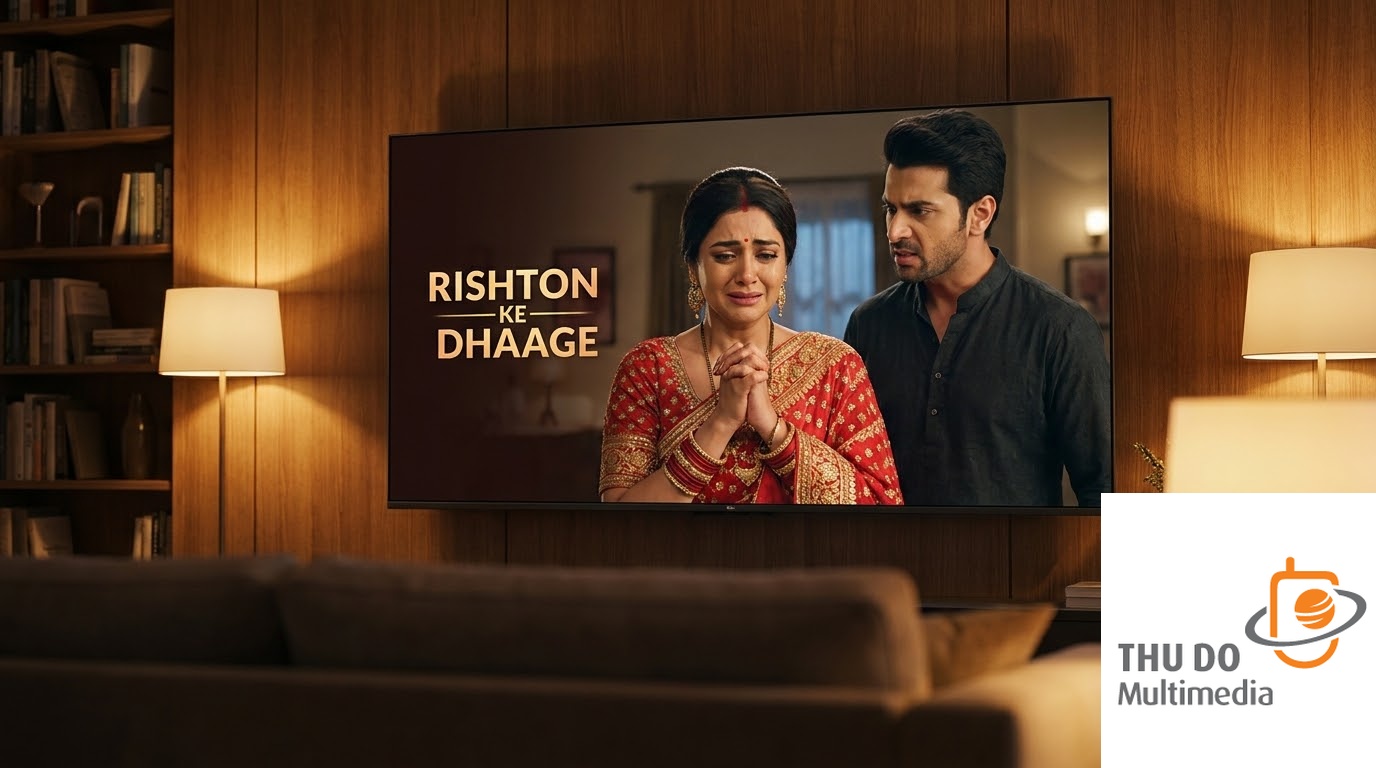
The second massive, load-bearing pillar supporting the Indian television industry is the daily soap opera, prominently broadcasted on General Entertainment Channels (GECs). These highly serialized, emotionally charged dramas form the inescapable daily viewing habit for tens of millions of households, particularly targeting and engaging female audiences across both urban and rural divides. We consistently observe in our data sets that these specific shows aggressively dictate the coveted prime-time slots (typically between 7 PM and 10 PM), generating fierce, unrelenting competition among broadcasters eager to capture and monetize long-term viewer loyalty.
When we meticulously analyze the most viewed Indian television serials 2024, the sheer volume of daily engagement is genuinely staggering. Hindi GEC giants like StarPlus, Sony Entertainment Television, Zee TV, and Colors TV command incredibly significant national market shares. However, it is crucial to recognize that this dominance is not limited to the Hindi belt. Regional broadcasting behemoths such as Sun TV in the Tamil market, Star Maa in Telugu, and Asianet in Malayalam routinely lead the overall national viewership rankings, frequently outpacing their Hindi counterparts in pure, unadulterated engagement metrics. The overarching themes are universally relatable regardless of the language: intricate family dynamics, the clash between tradition and modernity, societal pressures, and complex romantic tribulations.
Consider the lasting cultural impact of iconic, genre-defining shows like Kyunki Saas Bhi Kabhi Bahu Thi in the early 2000s, or massive modern mega-hits like Anupamaa. These serials do far more than merely entertain an audience for thirty minutes; they spark nationwide, passionate debates on family values, patriarchy, and women’s evolving roles in Indian society. Anupamaa, for instance, completely revolutionized the modern GEC landscape by focusing entirely on a middle-aged housewife’s poignant journey to self-discovery and financial independence. This narrative resonated profoundly with millions of women across the country, allowing the show to consistently dominate the BARC weekly charts and redefine what a successful daily soap looks like today.
3. Live Sports and Cricket Broadcasts
Finally, we arrive at the great, undeniable unifier of the diverse Indian populace: live sports, with a near-exclusive, fanatical emphasis on cricket. If mythological epics represent the soul of Indian television and daily GEC soaps are its steady heartbeat, then live cricket is undoubtedly its surging adrenaline. The broadcasting rights for major, international cricket tournaments are the most aggressively contested, highly prized assets in the entire global media industry, regularly commanding multi-billion-dollar valuations that rival major Western sports leagues.
Look closely at the global and localized viewership data for the top rated entertainment programs in India. Major international sporting spectacles, such as the ICC Cricket World Cup and the FIFA World Cup, are among the most universally watched live broadcasts across the nation. However, it is the domestic Indian Premier League (IPL) that acts as an annual, unstoppable ratings juggernaut. The IPL alone generates astronomical viewership numbers over a two-month period that easily dwarf the annual reach of entire television networks in European countries. In recent years, colossal networks like Disney Star and Viacom18 have battled fiercely in the boardroom for these highly lucrative eyeballs, keenly aware that live sports guarantee immediate, appointment viewing—an absolute rarity in today’s era of fragmented, on-demand content.
Furthermore, the seamless, cross-platform nature of modern cricket broadcasting serves as a perfect masterclass in total audience engagement. A dedicated fan might begin watching a crucial afternoon test match on a traditional linear Disney Star television channel in their living room, and seamlessly transition to a digital streaming application like JioCinema on their mobile device while commuting home. This incredible fluidity proves that premium sports content completely defies traditional platform limitations. During the spectacular 2023 Cricket World Cup, peak concurrency numbers on digital platforms shattered all known global internet records, all while linear television ratings simultaneously held incredibly strong, demonstrating the country’s insatiable, boundless appetite for the sport.
Popular TV Content Consumption Trends India: Linear TV vs. OTT Integration
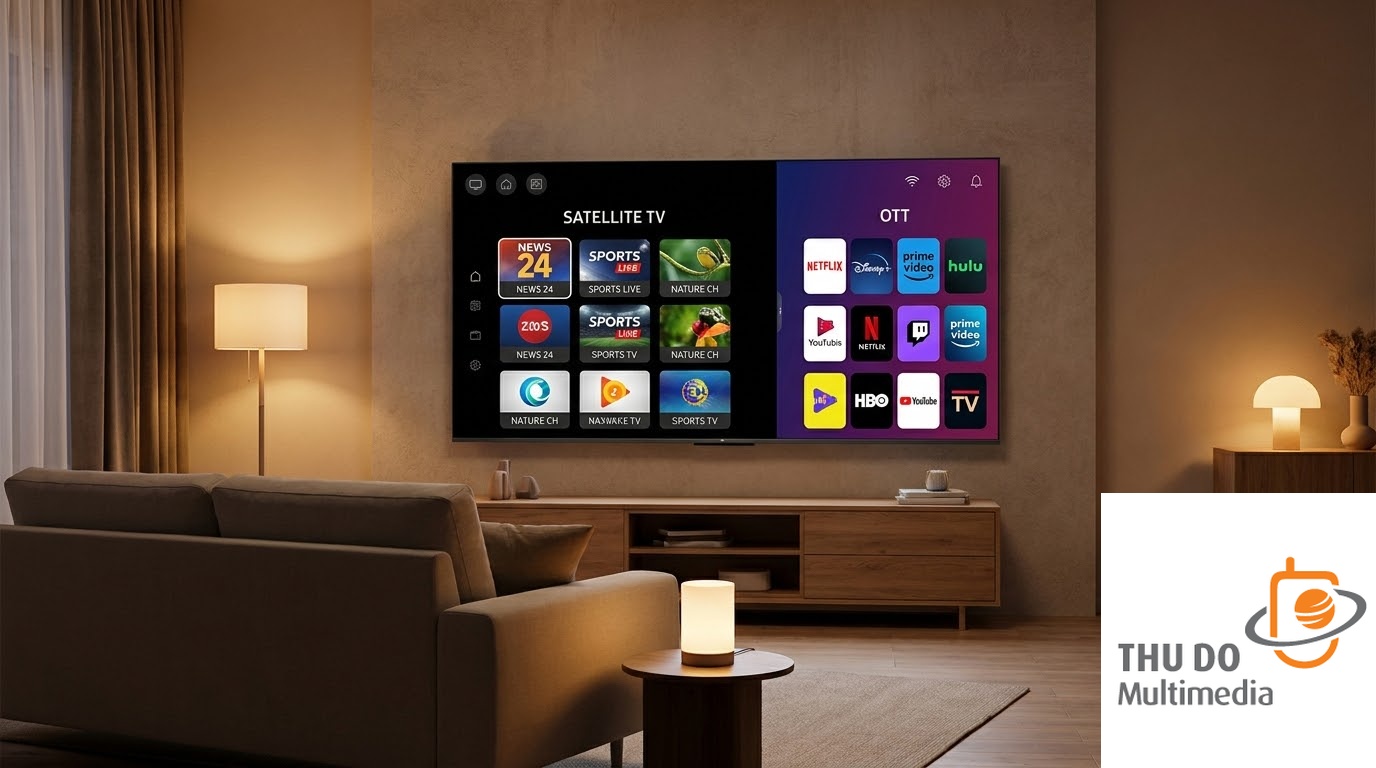
As we look strategically beyond specific genres and individual show ratings, understanding the underlying, shifting viewing mechanisms is absolutely crucial for any brand operating in this space. The traditional, long-standing dichotomy between cable television and broadband internet is rapidly blurring into a unified ecosystem. We are currently witnessing a massive, nationwide transition toward smart TV environments, where traditional satellite feeds and digital applications exist side-by-side on a single home screen interface. Our research teams have extensively documented these popular TV content consumption trends India, noting a definitive, irreversible shift toward hybrid viewing habits that leverage the absolute best of both legacy broadcasting and modern streaming.
This dramatic shift is largely driven by the aggressive digitization of the aforementioned 210 million television households. However, when analyzing this space, it is essential to highlight a massive regulatory quirk that entirely shapes Indian television consumption: the strict legal restriction on news broadcasting. Indian media regulations deliberately cap Foreign Direct Investment (FDI) in news broadcasting at a strict 26%. Consequently, major foreign-owned entertainment conglomerates like Disney Star, Sony, or Netflix do not operate news channels within India. This specific regulation has organically spawned a completely parallel, highly lucrative ecosystem of incredibly popular, dedicated domestic news networks like NDTV, ABP News, and India Today. These networks utterly dominate daytime viewership metrics but operate entirely outside the traditional GEC entertainment umbrella, creating a unique split in how Indians consume factual versus fictional content.
The broader effect of global OTT platforms on the traditional Indian television industry is another fascinating trend I closely monitor. Rather than decisively killing linear TV, OTT is forcing a highly innovative evolution. Consider the heavily siloed data from a standard Netflix Top 10 list; it only tells a tiny fraction of the overarching story, heavily skewed towards wealthy urbanites. Domestic broadcasters realize this limitation and are rapidly adapting by creating their own massive proprietary platforms like Disney+ Hotstar, Zee5, and JioCinema. They upload their most popular daily GEC soaps to these apps immediately after the linear satellite broadcast finishes, effectively capturing the urban, time-poor professionals who missed the 8 PM television slot. This “catch-up TV” phenomenon ensures that traditional, mass-market content remains incredibly relevant and highly profitable in a digital-first environment.
The Future Landscape: What Are Indians Watching on TV Next?
Looking ahead to the remainder of the decade, the massive Indian broadcasting landscape is perfectly poised for a fascinating, unprecedented era of corporate consolidation and aggressive regional expansion. Industry giants are no longer satisfied with dominating a single platform, a single demographic, or a single language. Through our continuous, on-the-ground market surveillance, I have noticed a distinct, highly funded pivot towards hyper-localized content. If you are asking what are Indians watching on TV in the coming years, the real answer lies deep within the regional pockets of the country, far beyond the saturated metropolitan Hindi-speaking belt.
Network conglomerates like Viacom18, Zee Entertainment, and Culver Max (Sony) are currently executing highly aggressive hybrid content strategies. The trending Indian television shows today are increasingly being conceptualized, budgeted, and designed for simultaneous multi-platform releases from day one. Furthermore, the true financial growth vector is deep regional expansion. We are seeing completely unprecedented, multi-million dollar investments in historically niche regional language markets such as Bhojpuri, Assamese, Odia, and Marathi. These specific linguistic markets represent the next great frontier, capturing massive, newly affluent audiences that were previously underserved by mainstream, Hindi-centric national channels.
Ultimately, while the technological delivery mechanisms will inevitably modernize and shift towards broadband, the core content pillars will strongly endure. The digital revolution sweeping across India will certainly change how television content is delivered, but it will absolutely not change what is fundamentally consumed by the masses. The traditional, deeply ingrained diet of rich mythological epics, emotionally charged daily family soaps, and high-octane live cricket matches will undoubtedly remain the absolute bedrock of Indian media consumption. Broadcasters and brands who truly understand how to package this legacy content for modern smart screens will be the undisputed winners of the next decade.
Conclusion
In my professional experience, successfully tracking and monetizing media consumption in the world’s most populous nation requires looking past the superficial, fleeting hype of digital-only trends. The undeniable reality verified by our data is that linear broadcasting remains a colossal, incredibly potent force. When we evaluate the Top 3 most popular television content in India, it is abundantly clear that mythological epics, General Entertainment daily soaps, and live cricket broadcasts are the foundational pillars of the entire industry. These specific genres have not just survived the arduous test of time; they have brilliantly adapted, evolving to conquer new digital streaming platforms while fiercely retaining their massive stronghold on traditional satellite television.
As projected Indian television households steadily climb towards the 214 million mark by 2026, the fierce battle for daily audience attention will only intensify. Global brands, advertisers, and content creators must immediately recognize and respect these deep-rooted cultural preferences to succeed in this highly complex, rewarding market. Through our dedicated analytics at MediaTrack India’s Audience Pro suite, we will continue to deeply monitor these fascinating shifts, helping our global partners expertly navigate the vibrant, ever-evolving, and highly lucrative tapestry of Indian television.
Frequently Asked Questions
1. What is the most-watched TV show in India of all time?
According to deep historical data and national ratings, Ramanand Sagar’s epic mythological adaptation Ramayan stands as the most-watched television show in Indian history. Its broadcast brought the nation to a standstill in the late 1980s, and its success was followed closely by its highly popular sequel, Luv Kush.
2. What are the most watched TV genres in India?
Based on consistent viewership data and TRP ratings, the three most popular genres on Indian television are Mythological and Devotional epics, Daily Soap Operas broadcasted on General Entertainment Channels (GECs), and Live Sports, with a massive emphasis on domestic and international Cricket.
3. Which regional languages dominate Indian television?
While Indian television is incredibly diverse and broadcasts in dozens of distinct languages, industry studies and advertising metrics show that the Hindi, Tamil, and Telugu television markets command the absolute largest share of overall nationwide viewership and generated revenue.
4. How many television channels are there in India?
The Indian broadcasting ecosystem is one of the largest in the world. As of recent government and industry reports, India boasts 918 operational private satellite TV channels, which cater to a massive, highly engaged audience of over 900 million viewers.
5. Why don’t Indian entertainment channels broadcast news?
Unlike media landscapes in some Western countries, major Indian entertainment channels generally do not air news segments. This separation is largely due to strict Indian media regulations that restrict Foreign Direct Investment (FDI) in news broadcasting to a maximum of 26%. This specific law forces large media conglomerates to entirely separate their entertainment divisions from news operations.
Recent Comments