AI in OTT Streaming 2026: The Ultimate Guide

Key Takeaways

  • Cost-Slicing Infrastructure: Implementing neural-network-driven transcoding reduces video file sizes by 20% to 40%, drastically lowering CDN bandwidth and storage expenses without sacrificing perceived quality.
  • Proactive Churn Prevention: Predictive algorithms can now identify at-risk subscribers 2 to 3 weeks before their billing cycle renews, allowing operators to deploy targeted retention strategies.
  • Lightning-Fast Content Delivery: Automated machine learning pipelines have slashed sports highlight processing times by 72%, accelerating time-to-market by 3.2x.
  • Accessible Modern Architecture: Transitioning from monolithic systems to modular, API-first ecosystems enables independent operators to launch enterprise-grade streaming platforms in as few as 2 days.

The landscape of digital broadcasting is undergoing a seismic architectural shift, and if you are still relying on static algorithms to run your media platform, you are already falling behind. In our experience working intimately with media architectures, the integration of AI in OTT streaming 2026 represents the absolute baseline for survival in an increasingly saturated market. We are witnessing a fundamental transition away from manual curation and rigid video encoding toward entirely autonomous, self-optimizing media ecosystems. This is no longer about adding a shiny new feature to your software stack; it is about fundamentally re-engineering how video data is processed, analyzed, and delivered to end-users.

Exploring artificial intelligence trends in video streaming 2026

From Add-on to Core Operational Layer

For years, artificial intelligence was treated as a futuristic luxury—a glossy marketing talking point that platforms bolted onto their existing infrastructure to impress stakeholders. Today, that paradigm has completely flipped. When I audit modern streaming architectures, the most successful platforms have repositioned AI as their central nervous system. It is no longer just powering the frontend user interface; it operates deep within the backend, managing complex content supply chains, autonomous production workflows, and real-time delivery optimization. This operational shift is driven by necessity. The sheer volume of digital media being produced daily is staggering, leading to an industry-wide crisis we call “content clutter.” Platforms are literally drowning in their own massive libraries, rendering incredible films and series completely invisible to the end-user without an intelligent mechanism to surface them.

The battle against this content clutter requires a fundamentally new approach to how we structure media platforms. You cannot simply apply a machine learning model to a messy, monolithic database and expect miraculous results. True AI readiness demands an incredibly solid data foundation. In our daily operations, we constantly emphasize that AI thrives exclusively on scalable compute capacity, modular microservices architecture, and deeply structured metadata. If your legacy system relies on hard-coded categories and rigid content delivery networks, your new AI tools will suffocate. The transition requires operators to audit their current data pipelines comprehensively, break apart those archaic monolithic structures, and build open, API-driven ecosystems where data can flow freely between recommendation engines, encoding servers, and user interfaces.

We see this beautifully illustrated in the rapid evolution of interactive viewing experiences, particularly within live sports broadcasting. Broadcasters are no longer just sending a flat video feed to subscribers; they are deploying advanced computer vision models that “watch” the game in real-time. These models track player movements, calculate ball speeds, and instantly overlay dynamic statistical graphics directly onto the user’s screen. By combining a clean, modular backend with high-speed compute, platforms can generate a highly interactive, lean-forward viewing experience that keeps audiences glued to their screens far longer than traditional passive broadcasts.

The Core of Engagement: personalized content recommendation algorithms OTT

Moving Beyond Basic “Recommended For You” Rows

I remember when displaying a simple “Recommended For You” carousel—based entirely on broad genres like “Action” or “Comedy”—was considered the pinnacle of platform personalization. That era is definitively over. Today’s sophisticated engines do not just look at what a user clicked; they construct a highly complex, multi-dimensional “content DNA” for every individual viewer. By analyzing incredibly subtle behavioral signals—such as the exact second a viewer skipped an intro, how often they rewind a specific dialogue scene, the time of day they prefer short-form versus long-form content, and their hyper-specific sub-genre affinities—the platform begins to understand the psychological drivers behind a user’s viewing habits. It is a transition from guessing what a user might like to mathematically predicting what they need to watch next to stay engaged.

To execute this level of prediction, platforms are embracing the strategy of granular content personalization. Rather than treating a two-hour movie as a single block of data, AI neural networks segment that long-form video into hundreds of micro-moments. A single film might contain a high-octane car chase, a romantic subplot, and a dramatic monologue. By breaking the content down into these microscopic scenes and tagging them individually, platforms can target users with unprecedented precision. However, this entire system collapses without pristine data hygiene. Even the most advanced neural network on the planet will fail spectacularly if the underlying metadata—such as language labels, cast tags, and accurate mood descriptors—is fragmented, misspelled, or incomplete.

The business impact of getting this right is massive. When a user logs into an OTT application after a long workday, they have an incredibly short patience window—often less than 60 seconds—before “browse fatigue” sets in. If they are forced to scroll endlessly through irrelevant titles, they will close the app and move to a competitor. By leveraging deep content DNA and granular scene-level tagging, platforms serve hyper-relevant content the absolute second the app launches. This drastically reduces browse time, directly correlating with a massive increase in average session length and long-term subscriber retention.

Reducing Churn with predictive analytics for streaming services

Shifting from Reactive Dashboards to Proactive Retention

Historically, streaming operators managed subscriber retention by looking in the rearview mirror. They relied on reactive analytics dashboards that simply reported “what happened”—telling executives how many users canceled their subscriptions last month. By the time that data was compiled, the revenue was already lost. The introduction of deep machine learning flips this script entirely, allowing platforms to transition toward proactive, predictive retention. Rather than waiting for the cancellation notification, AI models continuously monitor the microscopic behavioral signals that indicate a user is losing interest long before they consciously decide to hit the unsubscribe button.

When our teams evaluate churn intervention strategies, the data is staggering. Modern predictive churn models can accurately flag at-risk subscribers 2 to 3 weeks before their next billing cycle even occurs. They achieve this by analyzing complex patterns: a gradual decline in weekly viewing frequency, an uptick in erratic payment behavior, or a sudden, sharp drop in average session length. For example, if a user who typically watches four hours of content every weekend suddenly drops to twenty minutes of aimless scrolling before logging off, the AI identifies this interaction anomaly immediately. This 14-to-21-day intervention window is the holy grail for customer success teams, providing ample time to deploy targeted, automated campaigns to save the account.

With this predictive data in hand, operators can execute highly actionable intervention strategies rather than sending out generic, desperate email blasts. If the AI detects a user is churning due to perceived lack of content, the system can autonomously trigger targeted push notifications highlighting a new series that perfectly matches their unique content DNA. If the algorithm determines the user is churning due to price sensitivity, it can instantly deliver a customized retention offer—like a temporary subscription discount or a free tier upgrade—directly to their inbox. By intercepting these users before they officially uninstall the application, OTT platforms transform their analytics from a simple reporting tool into an active, automated revenue-saving engine.

Infrastructure Optimization and AI driven video compression technologies

Ensuring Flawless Playback at Lower Costs

Behind the glossy user interface of any premium streaming platform lies the brutally expensive reality of video delivery infrastructure. Transcoding raw video files into multiple resolutions and delivering them across global content networks has traditionally eaten into profit margins. For years, the industry relied on fixed-bitrate ladders, applying a static level of compression across an entire video regardless of what was happening on screen. Today, we are seeing a massive shift toward content-aware encoding. In this model, AI neural networks analyze the video feed frame-by-frame, continuously adjusting the compression parameters based on scene complexity. An explosive, fast-moving action sequence receives higher bitrates to preserve crisp details, while a quiet, static shot of a dark room is heavily compressed.

The financial implications of this technological leap are profound. Our research shows that implementing AI-based transcoding reduces output video file sizes by 20% to 40% while maintaining the exact same level of perceived human visual quality. When you are operating an OTT platform that streams petabytes of data globally, slicing your file sizes by nearly half results in a colossal reduction in CDN bandwidth and cloud storage costs. Furthermore, this dynamic compression works in tandem with predictive traffic routing. During high-demand live events—like a global sports finale—AI continuously monitors server loads, anticipates peak viewer surges before they happen, and autonomously reroutes CDN traffic to prevent network bottlenecks and catastrophic server crashes.

Beyond just compression, these neural networks are revolutionizing quality assurance through Automated Stream Quality Monitoring. In legacy systems, platforms literally hired rooms full of human operators to stare at screens, waiting for a feed to drop or buffer. This manual approach is fundamentally unsustainable at scale. Modern AI infrastructure autonomously scans thousands of concurrent live streams in real-time, instantly detecting black screens, frozen frames, audio desynchronization, and macroblocking. By identifying and resolving these micro-interruptions milliseconds before the human eye can even register them, platforms guarantee a flawless playback experience while completely eliminating the overhead of manual monitoring centers.

Automated video metadata tagging AI and Searchability

Turning Raw Video into Searchable Assets

One of the most physically exhausting and resource-draining tasks in media management is the manual logging of video assets. Historically, interns and metadata specialists would spend thousands of hours watching content just to write down timestamps, cast members, and basic plot tags. That manual bottleneck is entirely eliminated through computer vision and deep learning. Today, AI algorithms can ingest a raw video file and instantly scan every single frame, turning a massive block of unsearchable pixels into a highly structured, queryable database. These systems auto-generate granular categories, identify specific actors’ faces, recognize background objects (like specific car brands or landmarks), and even detect the emotional tone of a scene based on lighting and musical cues.

This automated metadata enrichment does not just save hundreds of hours of manual labor; it radically transforms the end-user experience by making massive libraries infinitely more searchable. When a user searches for “uplifting romantic scenes in Paris,” the platform no longer relies on a broad movie title description. Instead, it queries the deep, AI-generated metadata tags to instantly pull up the exact timestamped scenes that match that specific mood and location. This turns an OTT platform’s massive, dormant back-catalog into highly active, highly monetizable inventory, surfacing niche content to users exactly when they want it.

Furthermore, this raw asset processing extends brilliantly into global localization via AI Voice Translation and Dynamic Subtitle Generation. We are now deploying algorithms that automatically detect spoken dialogue, generate hyper-accurate text transcripts, and sync captions perfectly to the lip movements on screen. Going a step further, AI can now translate that audio into dozens of natural-sounding localized languages, complete with emotional inflection. These automated linguistic workflows allow content creators and OTT owners to push a single piece of content to a global market instantly, completely bypassing the massive delays and costs associated with traditional manual dubbing studios.

Maximizing Revenue and machine learning in subscription video on demand

Smarter Ads and Fraud Protection

The financial architecture of modern media requires extreme agility, and static monetization models simply cannot keep pace with changing consumer habits. Artificial intelligence fundamentally transforms how platforms generate revenue across all tiers, dynamically optimizing SVOD (Subscription), AVOD (Advertising), and TVOD (Transactional) models in real-time. Instead of blindly forcing commercial breaks at standard 10-minute intervals, AI models analyze the emotional arc and pacing of a specific show to decide the exact right moment to serve an ad—ensuring it occurs during a natural scene transition rather than cutting off a crucial piece of dialogue. This deeply reduces viewer frustration and prevents user drop-off during commercial breaks.

Simultaneously, we are seeing a massive evolution in targeted advertising. The AI curates specific ad inventory based on a user’s current mood, their geographical location, and their real-time engagement behavior. By ensuring that a viewer who exclusively watches premium automotive content receives high-end car advertisements rather than generic fast-food commercials, platforms eliminate “ad fatigue.” This hyper-targeting not only vastly improves the user viewing experience but drives exponentially higher ROI for advertisers, allowing OTT operators to command premium rates for their ad slots.

Protecting this bottom line is equally crucial, and AI is playing a relentless defensive role. Premium AI fraud detection layers continuously monitor the platform for suspicious bot traffic, unauthorized password sharing, and real-time piracy streams. Working seamlessly in tandem with advanced security protocols like AES 256 encryption and multi-DRM integrations (such as Widevine, FairPlay, and PlayReady), these machine learning models immediately throttle or block bad actors without impacting legitimate subscribers. Additionally, by utilizing AI in content production—such as auto-generating sports highlights which leads to a 72% reduction in video processing time and allows platforms to push clips 3.2x faster—operators dramatically lower their operational costs, freeing up massive amounts of budget to reinvest directly into premium content acquisition.

Preparing for the future of over the top media platforms 2026

Building an AI-Ready Streaming Architecture

The blueprint for independent operators looking to thrive in the next decade is incredibly clear: flexibility is your greatest asset. At NovaStream, when we architect our premium white-label OTT streaming platforms, we mandate a strict departure from locked-down, proprietary SaaS ecosystems that trap your data. To truly leverage machine learning, you must build upon unified subscriber databases and open REST APIs. This allows independent operators to plug-and-play the absolute best-in-class AI microservices—whether that is a third-party churn prediction engine or an advanced transcoding tool—without having to tear down their entire infrastructure every time the technology evolves.

It is also important to bridge the disconnect between enterprise hype and mid-market reality. While massive corporations like Netflix are spending hundreds of millions on autonomous generative AI content production, independent platforms do not need Hollywood-sized budgets to win. By breaking down rigid monolithic architectures and organizing their metadata cleanly, mid-market OTT platforms can leverage enterprise-level concepts like granular content segmentation, automated metadata tagging, and predictive churn modeling using highly accessible, cost-effective cloud services. The technology has democratized; what matters now is how cleanly your platform is structured to receive it.

The speed at which operators can now move is unprecedented. By utilizing modern AI-driven architectures, comprehensive white-label OTT platforms can now be launched in as few as 2 days, complete with core features, advanced DRM security, and predictive recommendation engines fully operational from minute one. As we look ahead, the mandate is absolute. Integrating deeply woven artificial intelligence is no longer an optional luxury for the elite few; it is the fundamental baseline requirement for maintaining profitability, drastically scaling global operations, and surviving the fiercely competitive streaming wars.


FAQs: People Also Ask

Q: What is the most common use of AI in OTT platforms?
A: The most common application of AI in OTT is content personalization. Streaming platforms utilize machine learning to analyze user viewing patterns, engagement times, and skips to dynamically adjust content recommendations, increasing overall session length and viewer retention.

Q: How does AI improve video streaming quality and reduce buffering?
A: AI optimizes streaming through adaptive bitrate technology and content-aware encoding. By analyzing video frame-by-frame, AI neural networks adjust compression levels based on scene complexity, reducing video file sizes by 20-40% without losing quality, which heavily mitigates buffering on weak networks.

Q: How do streaming services use AI to reduce subscriber churn?
A: Streaming services use predictive analytics to analyze user interaction signals—such as drops in viewing frequency or session length. These AI models can identify subscribers who are likely to cancel up to 2-3 weeks in advance, allowing platforms to automatically deploy targeted retention offers or personalized content emails.

Q: Can independent OTT operators afford to implement AI technology?
A: Yes. While massive generative AI tasks are currently reserved for enterprise budgets, independent operators can leverage highly accessible AI tools for automated metadata tagging, churn prediction, and AI-assisted video transcoding, provided they have a modern infrastructure with open APIs and clean data.

Q: How do OTT platforms balance AI personalization with user data privacy?
A: OTT platforms achieve this by relying on anonymized data and aggregated behavioral signals rather than personally identifiable information (PII). By adhering to strict data handling practices and utilizing secure on-premise or cloud environments, platforms can personalize feeds while maintaining legal compliance and user trust.

Ultimately, the successful deployment of AI in OTT streaming 2026 will not be measured by how many flashy algorithms a platform boasts, but by how invisibly and effectively those tools work together to create an undeniably superior, frictionless experience for every single viewer.
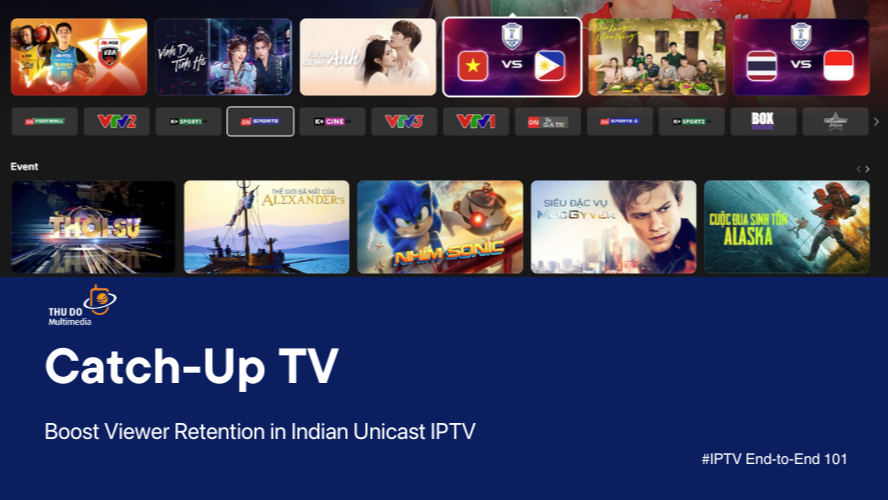
Catch-Up TV in Unicast IPTV: The Ultimate Key to Boosting Viewer Engagement in India in 2025

Catch-Up TV in Unicast IPTV: The Ultimate Key to Boosting Viewer Engagement in India in 2025

Discover how Catch-Up TV within a Unicast IPTV system helps Indian broadcasters boost retention, reduce churn, and compete with OTT, fast and cost-effectively.

The landscape of television consumption in India is undergoing a significant transformation. Viewers are no longer content with rigid broadcast schedules; they demand flexibility and control over their entertainment. This shift presents both challenges and immense opportunities for traditional broadcasters, cable TV operators, state-run channels, and local ISPs. To stay competitive and relevant in this evolving market, adopting interactive features like Catch-Up TV within a Unicast IPTV infrastructure is no longer optional-it’s essential.

India’s Growing Demand for Flexible TV Viewing

India, with its vast and diverse population, has seen a rapid embrace of digital content consumption. The proliferation of smartphones and affordable internet has led to a surge in over-the-top (OTT) platforms, which have accustomed users to on-demand viewing. Indian users increasingly expect to watch content whenever they want, unbound by linear broadcast schedules. This user behavior, characterized by unstable schedules and multi-device usage (mobile, TV, tablet, etc.) , has created a strong demand for “watch-again-on-demand” capabilities. Traditional services, often perceived as “passive,” risk falling behind if they don’t adapt to these evolving viewer expectations.

What Is Catch-Up TV and How It Works in a Unicast IPTV System

Catch-Up TV, also known as Replay TV, is a video-on-demand (VOD) service that allows viewers to watch previously broadcast television programs for a specific period after their original airing. This service is typically offered by broadcasters, freeing viewers from the constraints of live schedules. For example, if you miss an exciting football match in the afternoon, Catch-Up TV allows you to watch it later in the evening or at any convenient time within the allowed period.

Catch-Up TV is a crucial component of VOD services, enabling users to access video content via the internet rather than being tied to traditional broadcast schedules. The unique aspect of Catch-Up TV is its focus on re-broadcasting programs, as opposed to providing only live or purely on-demand content. Programs on Catch-Up TV are typically available for a limited time after airing, such as 7 or 30 days, after which they become unavailable. This makes it incredibly convenient for busy individuals who cannot watch their favorite shows live.

In a Unicast IPTV system, Catch-Up TV works by storing broadcast programs as VOD files. When a viewer requests to watch a Catch-Up program, the content is streamed directly to their device. This differs significantly from live TV, where content is broadcast simultaneously to all viewers. The Unicast delivery architecture is ideal for Catch-Up implementation because it allows for individualized streams, ensuring that each viewer receives their requested content without impacting others. This also means that previously broadcast programs can be stored as VOD files and replayed on-demand, rather than being simultaneously streamed like live broadcasts.

Business Benefits: Viewer Stickiness, Ad Monetization, and Compliance

Implementing Catch-Up TV within a Unicast IPTV framework offers strategic advantages for Indian broadcasters and operators:

Catch-Up TV plays a vital role in improving subscriber retention and increasing Customer Lifetime Value (LTV). By allowing users to watch missed programs without the need for manual recording, it caters to the viewing habits of modern Indian audiences, who often juggle irregular schedules and consume content across multiple devices. The convenience of “watching on demand” directly reduces churn, encourages more frequent platform usage, and extends the overall customer lifecycle, making it a powerful tool for IPTV providers aiming to build long-term loyalty.

It also significantly enhances competitiveness against OTT platforms. Indian users are now used to the anytime-anywhere viewing model popularized by services like Netflix, Hotstar, and JioCinema. Traditional IPTV services can feel rigid by comparison. However, when combined with Catch-Up TV, Unicast IPTV becomes much more dynamic and user-friendly, closing the experience gap. Platforms like JioTV (offering 7-day Catch-Up), Airtel Xstream (online content replay), and Tata Play Binge (which blends Catch-Up with OTT content) have already embraced this hybrid model, setting new viewer expectations that Unicast IPTV operators must meet.

Beyond user experience, Catch-Up TV offers key technical and operational benefits. Instead of forcing every user to watch content live, placing immense pressure on bandwidth during peak hours. Catch-Up allows shows to be stored as VOD files and streamed later. This shift reduces the simultaneous load on infrastructure, especially for high-traffic events like cricket matches or primetime news. A Unicast IPTV system can distribute traffic more evenly throughout the day, improving network efficiency and lowering operational costs. This makes Catch-Up TV a strategic asset not just for audience engagement but also for intranet CDN optimization and bandwidth management.

Deploying Catch-Up in an End-to-End Unicast Architecture (Thu Do’s Approach)

For broadcasters and operators in India looking to modernize their services, implementing Catch-Up TV requires a robust and scalable end-to-end Unicast IPTV architecture. Thu Do Multimedia offers a comprehensive solution designed to meet these needs, ensuring seamless integration and high performance.

Thu Do’s approach to deploying Catch-Up TV within an end-to-end Unicast architecture focuses on:

  1. Full-Stack IPTV Architecture: We provide a complete solution, from content ingestion and encoding to content delivery and user-facing applications. This ensures that all components work harmoniously, facilitating smooth Catch-Up TV delivery across various devices.
  2. Seamless Catch-Up TV Across Devices: Our solution ensures that viewers can access Catch-Up content effortlessly on any device – smart TVs, smartphones, tablets, and set-top boxes – providing a consistent and high-quality viewing experience.

Case Study: Catch-Up Deployment for Indian Regional Broadcaster

A prominent regional broadcaster in India faced increasing competition from OTT platforms and the challenge of retaining viewers who missed live broadcasts. They recognized the strategic importance of Catch-Up TV to meet evolving viewer demands. Partnering with Thu Do Multimedia, they deployed an end-to-end Unicast IPTV system incorporating our Catch-Up TV solution.

The results were transformative:

  1. Viewer Retention: Within six months of deployment, the broadcaster reported a 15% increase in viewer retention, directly attributable to the flexibility offered by Catch-Up TV.
  2. Replay Rates: On average, popular shows saw replay rates of over 30% within the 7-day Catch-Up window, indicating high viewer engagement.

This real-world example demonstrates the tangible benefits of implementing Catch-Up TV in a Unicast IPTV environment, proving its value as a powerful viewer retention tool. Check out our video on how Catch-Up TV boost viewer retention in India Unicast IPTV.

Ready to Boost Viewer Experience with Catch-Up TV?

India’s television future is interactive, flexible, and user-driven. For broadcasters and IPTV operators, integrating Catch-Up TV into a robust Unicast IPTV architecture isn’t just a value-added feature, it’s a strategic move to boost viewer engagement, reduce churn, and stay competitive in the digital-first era.

With Thu Do Multimedia, you gain a trusted partner with proven expertise in end-to-end IPTV deployments, Schedule 10 compliance, and advanced content delivery across India. Our solutions are designed to help you launch smarter, grow faster, and deliver a consistently superior user experience.

Want to ensure a smooth, compliant launch? Read our guide: IPTV Launch Checklist: Your Guide to a Compliant Launch in India in 2025

Contact us today to explore how Catch-Up TV can revolutionize your offerings!

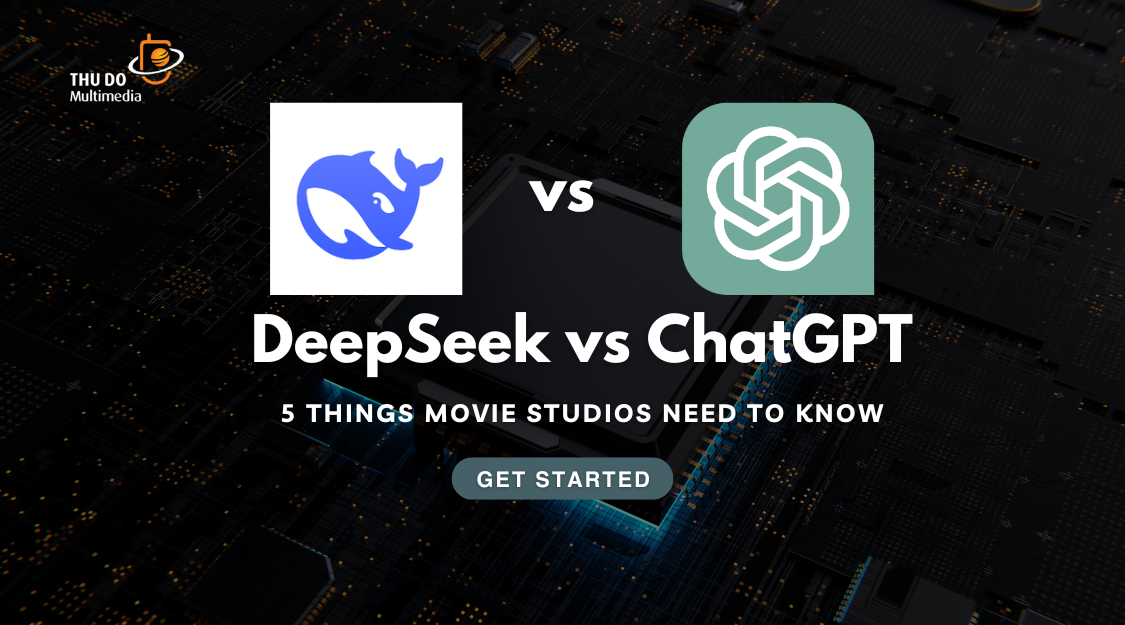
DeepSeek vs ChatGPT: 5 Game-Changing Insights Movie Studios Can’t Ignore

DeepSeek vs ChatGPT: 5 Game-Changing Insights Movie Studios Can’t Ignore

As artificial intelligence continues to revolutionize the entertainment industry, movie studios are increasingly exploring AI tools to enhance their production processes. Two of the most talked-about AI models today are DeepSeek and ChatGPT. While both offer powerful capabilities, they serve different purposes and industries. This article will break down five key aspects that movie studios need to know when comparing DeepSeek vs ChatGPT to make an informed decision.

1. DeepSeek vs ChatGPT: Core Technology Differences

When comparing, understanding their fundamental technology is essential.

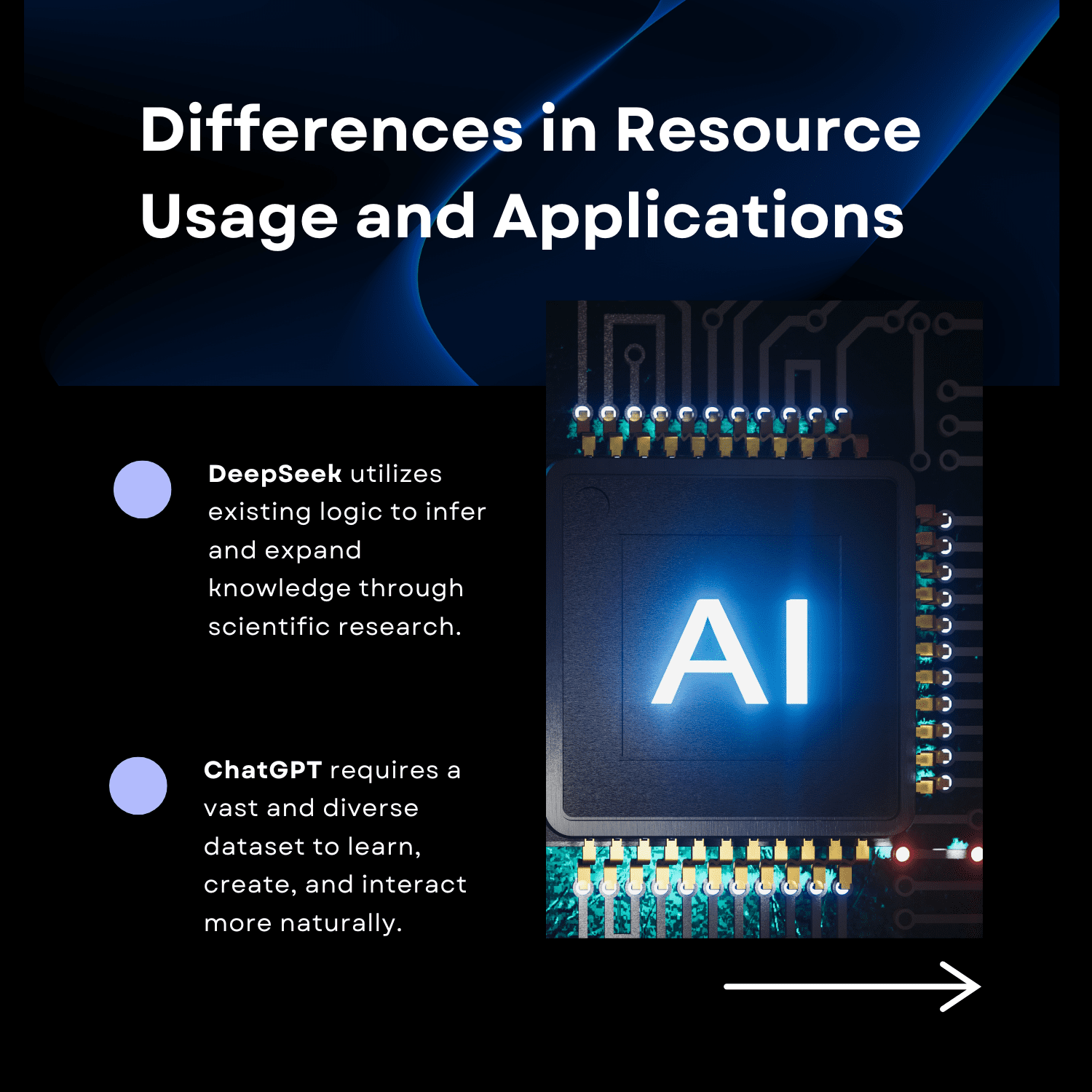
  • ChatGPT is developed by OpenAI and built on advanced Transformer-based architecture, trained on a massive dataset with extensive knowledge in multiple fields, particularly excelling in creative content generation and storytelling.

  • DeepSeek, developed in China, is optimized for data analysis and multilingual processing, with a strong focus on Chinese-language applications and other Asian markets.
DeepSeek vs ChatGPT 5 Things Movie Studios Need to Know
DeepSeek vs ChatGPT: 5 Things Movie Studios Need to Know

Application for Movie Studios:

  • ChatGPT is a powerful tool for scriptwriting, dialogue creation, and creative brainstorming.
  • DeepSeek is better suited for market research, script localization, and data-driven content optimization.

2. Creativity and Content Generation

One of the most significant differences is their approach to content generation.

  • ChatGPT is designed to be highly creative, capable of generating full-length scripts, developing characters, and providing plot twists that align with Hollywood-style storytelling.
  • DeepSeek, while capable of some content generation, is more focused on logical analysis and structured content refinement.

Read More: Sigma DAI: 7 Revolutionary Features of Cloud-Based Ad Insertion for TV, Live Events, and VOD

How Movie Studios Can Use These AI Tools:

  • ChatGPT can help screenwriters generate new ideas, refine dialogues, and create marketing content.
  • DeepSeek can analyze past movie data to predict audience engagement, helping studios tailor their scripts for specific markets.

3. Language Processing and Translation Capabilities

For global movie studios, multilingual support is a crucial factor in choosing

  • ChatGPT offers strong multilingual translation and excels in writing natural, human-like dialogue in various languages.
  • DeepSeek is highly optimized for East Asian languages, making it a valuable tool for studios targeting Chinese, Japanese, and Korean audiences.
DeepSeek vs ChatGPT 1
Differences in Resource Usage and Applications

Practical Uses for Movie Studios:

  • ChatGPT is ideal for script translations, generating subtitles, and optimizing international marketing materials.
  • DeepSeek can analyze regional audience feedback and optimize movie scripts to better resonate with Asian audiences.

4. Cost Efficiency and Performance

Cost plays a significant role in determining, is the better AI solution for movie studios.

  • ChatGPT offers premium AI-generated content but comes at a higher price due to its extensive computational power and API usage costs.
  • DeepSeek is a more cost-efficient alternative, particularly for data analysis and market research, making it a practical choice for studios operating on a tighter budget.

When to Choose Each AI:

  • For high-quality creative scriptwriting and storytelling, ChatGPT is the better investment.
  • For cost-effective market analysis and regional content adaptation, DeepSeek offers a budget-friendly solution.

5. Which AI is Better for Movie Studios?

The choice between DeepSeek vs ChatGPT depends on the specific needs of a movie studio.

  • For scriptwriting, creative brainstorming, and storytelling, ChatGPT is the superior AI model.
  • For market analysis, audience segmentation, and regional content optimization, DeepSeek is a better choice.

Best Approach for Studios:

Many studios may benefit from using both AI models together:

  • ChatGPT can be used for generating original ideas and writing scripts.
  • DeepSeek can then analyze audience preferences and suggest improvements to maximize market appeal.
DeepSeek vs ChatGPT
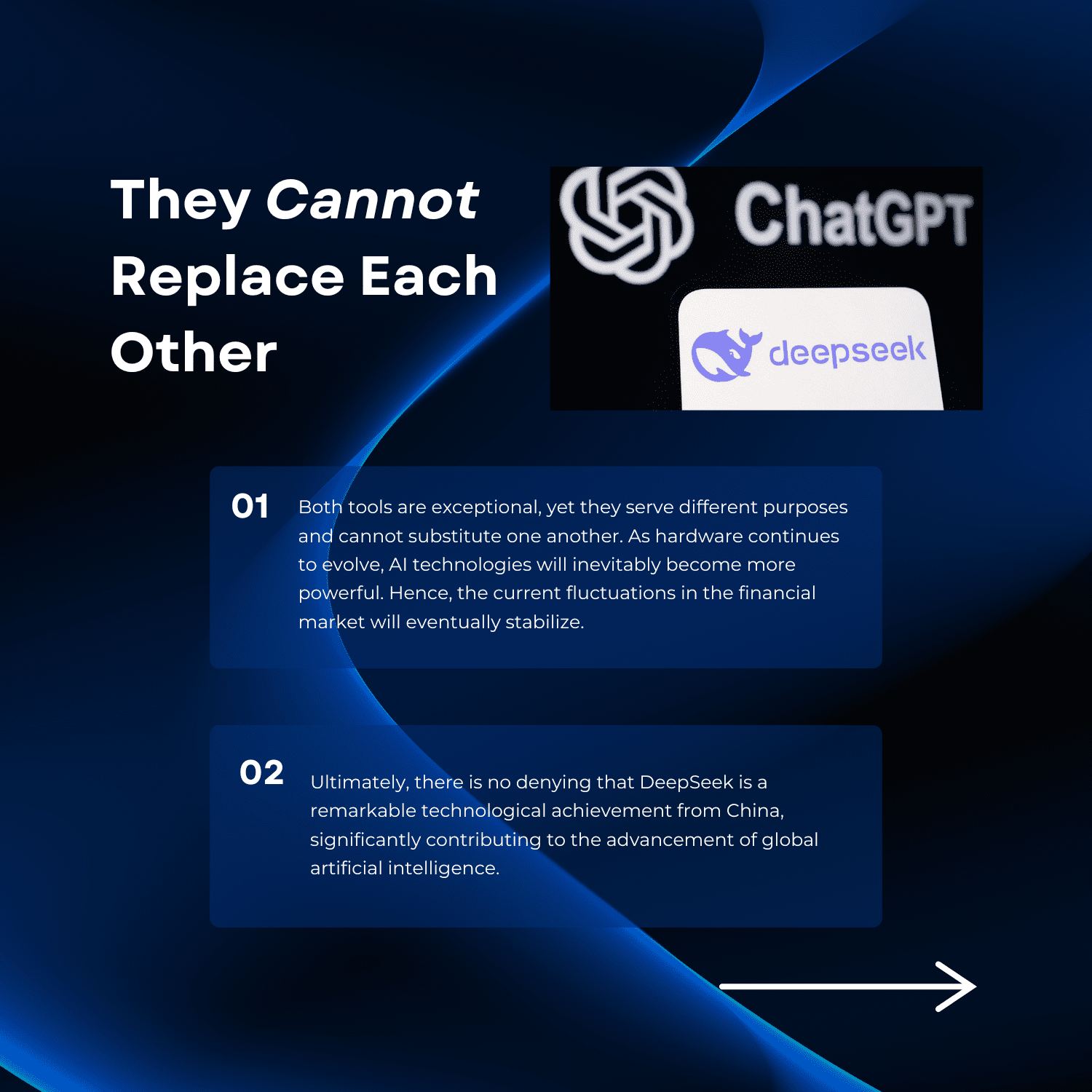
DeepSeek and ChatGPT cannot replace each other

Conclusion

When deciding between DeepSeek vs ChatGPT, movie studios must evaluate their priorities. ChatGPT is ideal for creative scriptwriting and content development, while DeepSeek excels in market-driven optimizations and multilingual processing. By leveraging both AI models, movie studios can enhance their storytelling, reach wider audiences, and improve production efficiency.

For movie studios looking to stay ahead in the industry, AI-driven content creation and analysis will be a game-changer.

BOOK MEETING WITH US TO DEMO END TO END IPTV/OTT: Book Here

DRM Protection: Safeguarding Digital Content in the Digital Age

DRM Protection: Safeguarding Digital Content in the Digital Age

In the ever-evolving digital landscape, the protection of digital content has become paramount. Digital Rights Management (DRM) serves as the cornerstone of this endeavor, offering a suite of technologies and strategies to safeguard digital assets from piracy and unauthorized access. This article delves into the intricacies of DRM protection, exploring its definition, significance, technologies, applications, challenges, and benefits. From encryption to access control, licensing to enforcement mechanisms, understanding DRM is essential for content creators, distributors, and consumers alike.

Understanding DRM Protection Mechanisms

What is DRM solution, why is it important in protecting digital content copyright? Right now we will go and learn about the overview with everyone.

Explanation of DRM Protect Technologies and Techniques

DRM protection encompasses a range of technologies and techniques aimed at controlling access to digital content and managing its distribution. Encryption algorithms like AES and DRM systems are utilized to encrypt digital content, ensuring its confidentiality and integrity. Access control mechanisms, such as authentication protocols and digital certificates, validate user identities and regulate access rights. Digital watermarking techniques embed identifiers into digital content, enabling the tracking of unauthorized copies. These mechanisms work together to fortify the security of digital assets, preventing unauthorized access and distribution.

Learn about digital content copyright protection solutions DRM 2

Application of DRM Protection in Various Industries

DRM protection finds applications across diverse industries, including media, publishing, software, and gaming. In the media industry, DRM enables content creators to control the distribution of their music, movies, and television shows across digital platforms. Publishers leverage DRM to protect e-books and educational materials from piracy, safeguarding their intellectual property rights. Software developers use DRM to prevent software piracy and enforce licensing agreements. Despite challenges like interoperability issues and circumvention tactics, DRM remains essential for preserving the value and integrity of digital assets.

Challenges and Benefits of Implementing DRM Protection Solutions

While DRM offers numerous benefits, its implementation presents challenges. Balancing security with user access and experience is crucial, as overly restrictive measures can hinder legitimate user access. Addressing compatibility issues across devices and platforms requires standardized formats and protocols. Moreover, ethical and legal implications must be considered, ensuring compliance with copyright regulations. Despite these challenges, DRM protection offers benefits such as preventing unauthorized access, safeguarding intellectual property, and ensuring compliance with licensing agreements.

Key Features of DRM Protection Systems

Now that we’ve explored the key features of DRM protection systems, let’s examine the benefits that DRM protection offers in safeguarding digital content and intellectual property.

Encryption and Access Control Measures in DRM Protection

One of the fundamental features of DRM protection systems is encryption, which renders digital content indecipherable to unauthorized users. Advanced encryption algorithms are employed to encode digital content, ensuring its confidentiality and integrity during transmission and storage. Access control measures complement encryption by regulating user access based on predefined permissions. Authentication protocols verify user identities, while digital certificates validate their rights to access protected content. Together, encryption and access control form the backbone of DRM protection systems, fortifying the security of digital assets against unauthorized access and distribution.

Licensing and Usage Restrictions for Protected Content

Another key feature of DRM protection systems is the imposition of licensing and usage restrictions on protected content. Content owners can specify the terms and conditions under which their content can be accessed, copied, and shared. Licensing agreements delineate the rights and responsibilities of both content creators and consumers, outlining permissible uses and prohibited activities. Usage restrictions, such as copy and print limitations, prevent unauthorized reproduction and distribution of protected content. By enforcing licensing and usage restrictions, DRM protection systems empower content owners to monetize their digital assets while maintaining control over how they are consumed and shared.

Monitoring and Enforcement Mechanisms for DRM Protection

Monitoring and enforcement mechanisms play a crucial role in ensuring compliance with DRM protection policies and detecting unauthorized access or usage. DRM systems often incorporate monitoring tools that track user activities and access patterns, generating audit logs and reports for analysis. These monitoring capabilities enable content owners to identify suspicious behavior and potential security breaches, allowing them to take timely remedial action. Enforcement mechanisms, such as digital rights management servers, enforce DRM policies by controlling access to protected content and enforcing usage restrictions. By implementing robust monitoring and enforcement mechanisms, DRM protection systems enhance the accountability and integrity of digital content distribution, deterring piracy and unauthorized usage.

Benefits of DRM Protection

This solution brings many benefits to businesses. Here are some outstanding advantages that DRM solutions possess:

Preventing Unauthorized Access and Distribution of Protected Content

One of the primary benefits of DRM protection is its ability to prevent unauthorized access and distribution of protected content. By encrypting digital content and implementing access control measures, DRM systems restrict access to authorized users only. This prevents unauthorized individuals from accessing or sharing digital content without proper authorization, thereby mitigating the risks of piracy, copyright infringement, and revenue loss. DRM protection ensures that content owners retain control over how their digital assets are accessed and distributed, preserving the integrity and value of their intellectual property.

Safeguarding Intellectual Property and Revenue Streams

DRM protection plays a crucial role in safeguarding intellectual property and revenue streams for content creators, distributors, and rights holders. By enforcing licensing agreements and usage restrictions, DRM systems enable content owners to monetize their digital assets through various distribution channels, such as online platforms, streaming services, and e-commerce storefronts. This ensures that content creators receive fair compensation for their creative endeavors while deterring unauthorized copying, sharing, and distribution of their work. DRM protection safeguards the economic interests of content owners, fostering a sustainable digital ecosystem where creativity and innovation are rewarded.

Ensuring Compliance with Copyright and Licensing Regulations

Another significant benefit of DRM protection is its role in ensuring compliance with copyright and licensing regulations. DRM systems enable content owners to enforce copyright laws and licensing agreements by specifying the terms and conditions under which their digital content can be accessed, copied, and shared. This helps content owners protect their intellectual property rights and uphold legal obligations while providing consumers with transparent and legitimate access to digital content. By promoting adherence to copyright and licensing regulations, DRM protection fosters trust and accountability in the digital marketplace, facilitating fair and ethical practices in content distribution.

Challenges and Considerations in Implementing DRM Protection

We will discuss the challenges and considerations in implementing DRM protection. Let’s explore real-world examples and case studies of DRM protection implementation across various industries.

Balancing Security with User Access and User Experience

One of the primary challenges in implementing DRM protection is striking the right balance between security and user access/user experience. While robust security measures are essential for protecting digital content, overly restrictive DRM policies can hinder legitimate user access and degrade user experience. Complex authentication processes, frequent license validations, and limited device compatibility may frustrate users and drive them towards alternative, less secure distribution channels. Content owners must carefully evaluate the trade-offs between security and usability, ensuring that DRM protection measures are transparent, seamless, and user-friendly to maximize adoption and satisfaction.

Addressing Compatibility Issues Across Devices and Platforms

Another challenge in implementing DRM protection is addressing compatibility issues across devices and platforms. With the proliferation of smartphones, tablets, e-readers, and smart TVs, digital content must be accessible across a wide range of devices and operating systems. However, interoperability issues may arise when attempting to deploy DRM protection solutions across diverse hardware and software environments. Content owners must ensure that their DRM systems support industry-standard formats and protocols, enabling seamless integration with popular devices and platforms. Compatibility testing and ongoing updates are essential to ensure that DRM-protected content remains accessible and functional across evolving digital ecosystems.

Dealing with Ethical and Legal Implications of DRM Implementation

In addition to technical challenges, implementing DRM protection raises ethical and legal considerations that must be carefully addressed. DRM systems may restrict consumers’ rights to access, copy, and share digital content, raising concerns about digital rights and freedoms. Content owners must navigate a complex legal landscape governing copyright, fair use, and consumer protection to ensure that their DRM policies comply with applicable laws and regulations. Transparent communication, user education, and clear terms of service are essential to build trust and mitigate concerns about privacy, data security, and digital rights infringement. Content owners must strike a delicate balance between protecting their intellectual property rights and respecting consumers’ rights and expectations in the digital age.

Case Studies and Examples of DRM Protection Implementation

Currently, many businesses in different fields are applying DRM to protect content copyright on digital platforms, including:

Successful Deployment of DRM Protection in Media Streaming Services

Media streaming services have successfully implemented DRM protection to secure their vast libraries of movies, TV shows, and original content. Platforms like Netflix, Hulu, and Disney+ employ robust DRM systems to encrypt their video streams, enforce licensing agreements, and prevent unauthorized access or distribution. By leveraging DRM protection, these services can offer a seamless and secure streaming experience to subscribers while deterring piracy and copyright infringement. Through content encryption, access control, and monitoring mechanisms, media streaming services uphold the integrity of their digital libraries and safeguard their revenue streams.

DRM Strategies in E-book Publishing Industry

The e-book publishing industry relies heavily on DRM protection to safeguard digital books from piracy and unauthorized distribution. Major e-book retailers like Amazon Kindle and Apple Books utilize DRM technologies to encrypt e-books and enforce usage restrictions, such as limiting the number of devices on which a book can be accessed or preventing copying and sharing. While DRM protection has been criticized for restricting consumers’ rights, it remains a vital tool for publishers to protect their intellectual property and revenue streams. By implementing DRM strategies, e-book publishers can ensure that authors receive fair compensation for their work while providing consumers with secure access to digital books.

Ebook DRM Protection

Read More: eBook DRM: Protecting Publisher’s Content in the Digital Age

Challenges Faced by Software Developers in DRM Protection

Software developers face unique challenges in implementing DRM protection to prevent software piracy and license misuse. DRM systems must strike a delicate balance between protecting software from unauthorized copying and preserving user flexibility and usability. Complex licensing schemes, activation processes, and software tamper detection mechanisms may introduce friction into the user experience and drive users towards pirated copies or alternative software solutions. Moreover, software developers must contend with sophisticated hacking techniques and circumvention tools that seek to bypass DRM protections and crack software licenses. Despite these challenges, this protection remains essential for software developers to safeguard their intellectual property and revenue streams in an increasingly digital marketplace.

Future Trends and Innovations in DRM Protection

As technology continues to evolve, the landscape of DRM protection is poised for significant advancements and innovations. Several emerging trends are shaping the future of DRM, offering enhanced security, flexibility, and usability for content creators, distributors, and consumers alike.

Emerging Technologies in DRM Solutions

Advancements in encryption algorithms, blockchain technology, and artificial intelligence (AI) are driving innovation in DRM solutions. New encryption algorithms with improved performance and resistance to attacks are enhancing the security of DRM-protected content. Blockchain technology is being explored to create decentralized DRM platforms that offer greater transparency, traceability, and tamper resistance. AI-powered DRM systems can analyze user behavior, detect anomalies, and adapt security measures in real-time to mitigate emerging threats.

Evolution of DRM Policies and Practices

The evolution of DRM policies and practices is influenced by changes in legislation, industry standards, and consumer preferences. Regulatory developments, such as the European Union’s General Data Protection Regulation (GDPR) and the Digital Millennium Copyright Act (DMCA), shape the legal framework governing DRM implementation and enforcement. Industry initiatives, such as the Open Digital Rights Language (ODRL) and the Secure Content Storage Association (SCSA), promote interoperability and standardization in DRM technologies and practices. Consumer demand for seamless and user-friendly DRM solutions drives innovation in usability, accessibility, and transparency.

Predictions for the Future of DRM Protection

Looking ahead, DRM protection is expected to continue evolving in response to evolving threats, technologies, and market dynamics. Predictions for the future of DRM include:

Increased Focus on User-Centric DRM

Future DRM solutions will prioritize user-centric design principles, offering seamless access, flexibility, and personalization while maintaining robust security measures.

Integration with Emerging Technologies: DRM protection will integrate with emerging technologies such as augmented reality (AR), virtual reality (VR), and the Internet of Things (IoT) to secure digital content across diverse platforms and devices.

Enhanced Collaboration and Partnerships 

Content creators, distributors, technology providers, and regulatory bodies will collaborate more closely to develop interoperable DRM solutions that meet the needs of all stakeholders while respecting consumers’ rights and privacy.

Continued Battle Against Piracy and Unauthorized Access

Despite advancements in DRM technology, piracy and unauthorized access will remain persistent challenges. DRM solutions will continue to evolve to stay ahead of emerging threats and adapt to changing piracy tactics.

Introducing Sigma Multi DRM to Protect Your Content

As you navigate the complexities of DRM protection and seek robust solutions for safeguarding your digital content, consider Sigma Multi DRM – a solution provided by ThuDo Multimedia. Our comprehensive DRM platform offers cutting-edge encryption, access control, and monitoring mechanisms to protect your content across diverse industries and distribution channels. 

With Sigma Multi DRM, you can secure your intellectual property, uphold licensing agreements, and ensure compliance with copyright regulations while delivering a seamless and secure experience for your users. Join the ranks of leading content creators, distributors, and rights holders who trust Sigma Multi DRM to safeguard their digital assets in today’s dynamic digital landscape.

Conclusion

In conclusion, DRM protection is essential for safeguarding digital content in today’s digital landscape. It plays a vital role in preserving intellectual property, enforcing licensing agreements, and ensuring fairness for creators and users. ThuDo Multimedia is at the forefront of providing innovative DRM solutions, empowering stakeholders to navigate digital distribution securely. Contact us to learn more!

Contact Now

The Untold Secret of OTT Success: Secure High-Quality Visuals with Sigma DRM

The Untold Secret of OTT Success: Secure High-Quality Visuals with Sigma DRM

Think back to the last time you were completely engrossed in an OTT movie or series. Chances are, stunning visuals played a major role in captivating you, transporting you to another world, and leaving a lasting impression. But behind that seamless experience lies a hidden battle: balancing breathtaking visuals with robust security and smooth performance.

Here’s the truth: in the fiercely competitive OTT landscape, high-quality visuals aren’t enough. Piracy, unauthorized distribution, and performance issues threaten content creators, platforms, and ultimately, the viewer experience. This is where Sigma DRM, Thudo Multimedia’s innovative solution, enters the scene, acting as your guardian of visual security.

Why are visuals so crucial for OTT success?

image 15
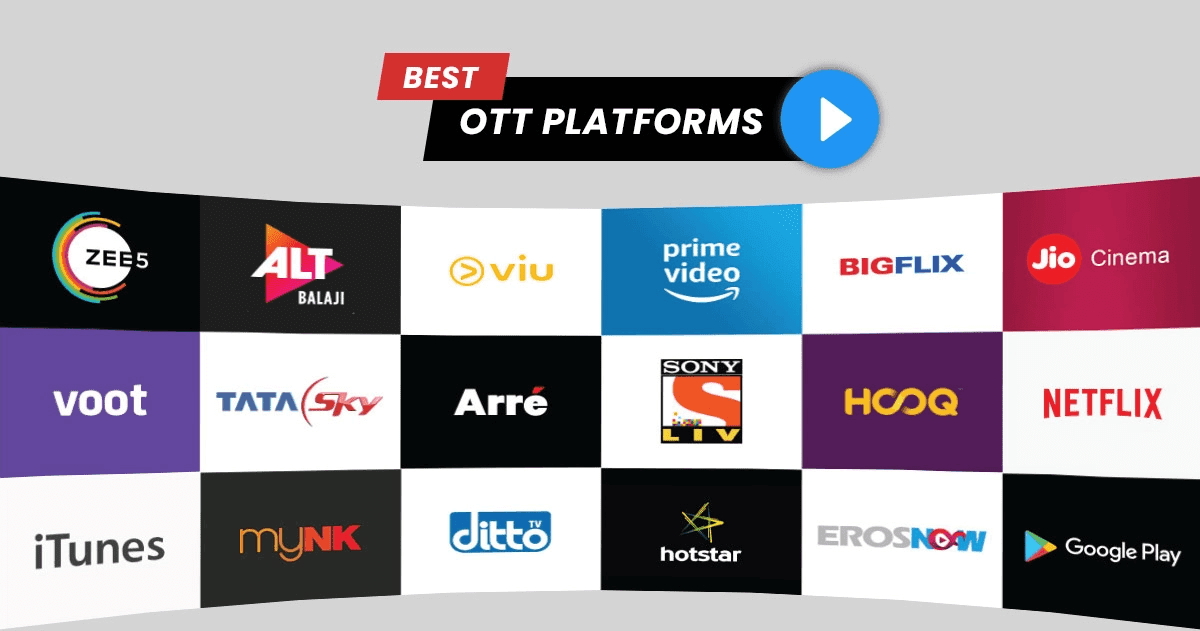
The best OTT Platforms
  • Immersion & Engagement: Breathtaking visuals create a deeper emotional connection, keeping viewers glued to their screens.
  • Brand Image: High-quality content screams professionalism and reinforces brand recognition, setting you apart from the competition.
  • Increased Value: Secure, high-fidelity content commands premium pricing and attracts premium subscribers.

The Balancing Act: Quality vs. Security & Performance

The Balancing Act: Quality vs. Security & Performance

Transformed content consumption, offering 4K and HDR visuals for an enhanced viewing experience. However, these high-quality formats come with key challenges:

Security Risks: The large file sizes of 4K and HDR content make them vulnerable to piracy, threatening intellectual property and revenue streams. Employ advanced security measures like encryption, DRM, and watermarking to protect their content from unauthorized distribution.

Performance Issues: Streaming high-definition content can lead to slow loading times and buffering, which disrupt the viewer experience. This can frustrate users, causing them to abandon streams. To mitigate this, need to optimize content delivery with CDNs and adaptive bitrate streaming, ensuring smooth playback across different devices and network conditions.

In balancing quality, security, and performance, address these challenges to deliver a seamless and protected viewing experience.

Introducing Sigma DRM: Your OTT Security Superhero

Imagine a world where you can deliver stunning visuals without worrying about piracy or performance issues. Sigma DRM makes that dream a reality with its comprehensive features:

  • Fort Knox-Level Security: Encrypted content delivery ensures authorized access only, preventing unauthorized distribution and piracy.
  • Granular Control: Set permissions for viewing, downloading, and sharing content based on user roles and subscription tiers.
  • Seamless Integration: Integrates seamlessly with existing platforms and workflows for a smooth user experience.

Read more: 4 new trends in digital television

Benefits for Everyone:

  • Content Creators: With advanced security measures like encryption and DRM, content creators can focus on producing high-quality work without the worry of piracy, knowing their intellectual property and revenue are protected.
  • OTT Platforms: By securing premium content, reduce piracy risks, attract more premium subscribers, and gain a competitive edge. Offering secure, high-quality streaming helps build customer loyalty and boosts profitability.
  • Viewers: Viewers enjoy seamless, high-definition content with peace of mind, knowing their data is protected and that creators are fairly compensated. This secure experience fosters loyalty and satisfaction with the platform.

Beyond Security: Optimizing Your OTT Experience

Sigma DRM goes beyond just security:

  • Reduced Content Costs: Secure content translates to reduced piracy and revenue loss, optimizing your content investment.
  • Improved Viewer Satisfaction: Seamless viewing experiences and a sense of security boost viewer loyalty and satisfaction.
  • Competitive Advantage: Stand out in the crowded OTT market with secure, high-quality content offerings.

The Future of Secure Visual Storytelling

image 14
Sigma DRM stands at the forefront of this evolution

With the rapid advancements in technology such as HDR, 8K resolution, and immersive viewing experiences, the landscape of visual storytelling is evolving at an unprecedented pace. However, as these technologies take center stage, the importance of secure content delivery becomes even more critical.

Sigma DRM stands at the forefront of this evolution, continuously innovating to meet the challenges of tomorrow. Our cutting-edge digital rights management solution is designed to safeguard your valuable visual content, ensuring it remains protected and accessible for the future.

Whether it’s ensuring the integrity of high-definition imagery or securing immersive multimedia experiences, Sigma DRM offers comprehensive protection against piracy and unauthorized distribution. By staying ahead of the curve, we empower content creators and distributors to deliver captivating visual narratives with confidence, knowing that their content is secure in an ever-changing digital landscape.

Don’t let security and performance issues sabotage your OTT success. Unlock the full potential of high-quality visuals with Sigma DRM. Contact us today and experience the difference yourself!

Sigma DRM and Protecting India’s Digital Heritage: Towards Sustainable Development

Sigma DRM and Protecting India’s Digital Heritage: Towards Sustainable Development

Miss Grand India Rachel Gupta’s victory is not only a matter of national pride but also highlights the importance of digital copyright protection in preserving India’s cultural heritage. Why is that? Let’s find out with Thu Do Multimedia!

Who is Rachel Gupta?

image 1
Miss Grand International 2024

Rachel Gupta has become Miss Grand International 2024, marking an important milestone for India. Before Rachel Gupta, there were many beauty queens participating in international beauty pageants, but her victory at MGI is an outstanding achievement, making her the first Indian beauty queen to achieve this international crown.

On a personal level, Rachel Gupta is a famous model, a film actress and also a successful businesswoman. In acting, she is best known for the film “Kahani Rubberband Ki”.

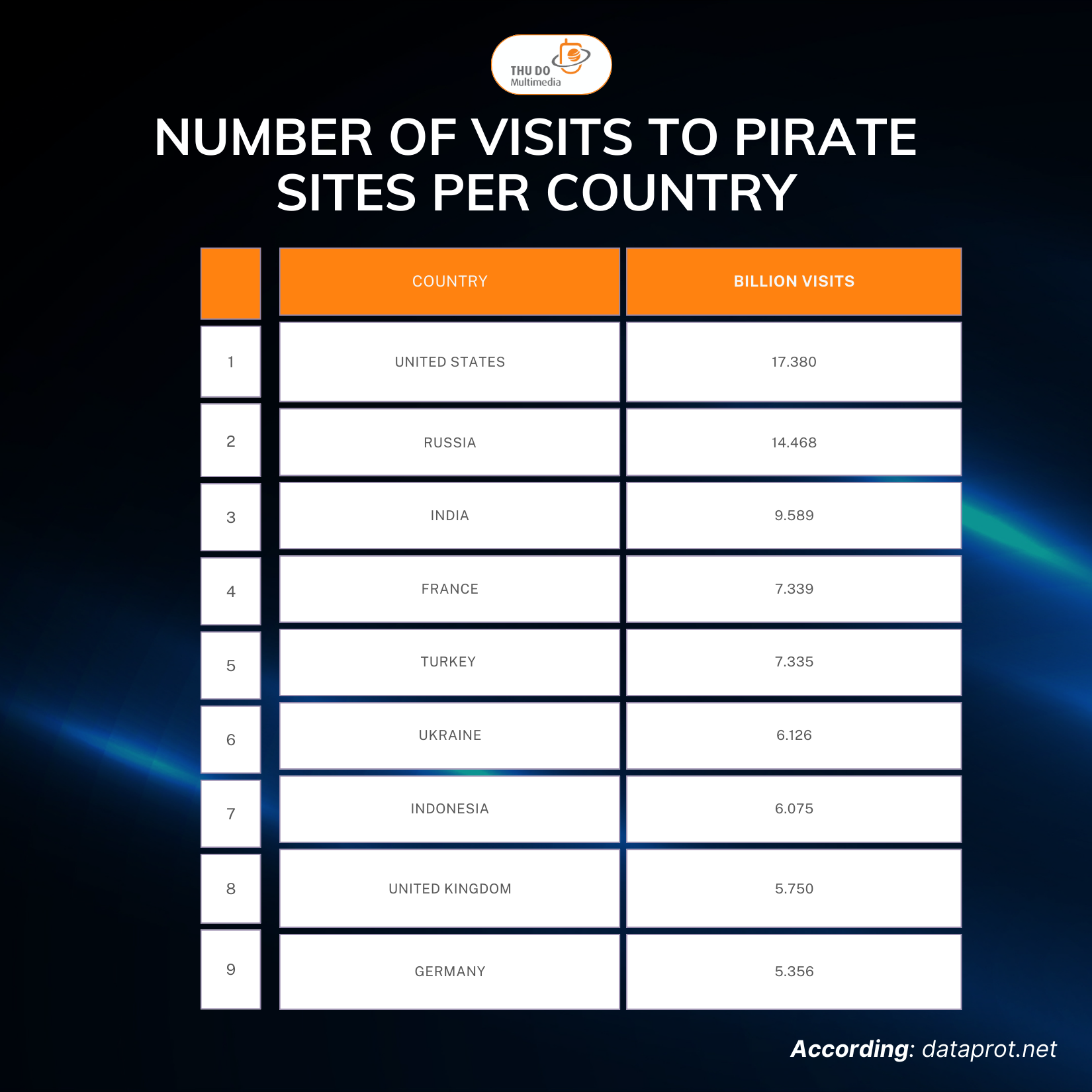
India is statistically the country with the most copyright infringement in the world. Indian digital content is always pirated and other films are also consumed widely in India. This is a problem related to the culture and beauty of India, so surely the government, producers, directors, actors, etc. all want to find solutions and come up with appropriate policies to reduce this problem in order to protect India’s digital heritage.

The role of Miss Grand India 2024 Rachel Gupta in Elevating Indian Culture

Rachel Gupta – Representative of Indian culture

The victory of a beauty queen in the international arena is not simply a personal victory, but she represents an entire country, a strong voice for the diverse culture of the country.

Through her role, Rachel contributes to promoting artistic values, cultural beauty from costumes, music, cinema, cuisine, to the lifestyle of India, helping international friends have a deeper insight into a rich culture. Since then, India’s image has not only been affirmed in the field of beauty but also elevated in the world of global entertainment and media.

Rachel’s role is a living testament to how an individual can convey and spread national cultural pride, while at the same time arousing awareness to protect the precious traditional values ​​of India.

image

Indian Culture – Bollywood Films

Bollywood is an important part of Indian culture, featuring music, dance and rich stories. Bollywood not only reflects social life but also brings unique entertainment experiences to the audience.

The globally famous film Dangal (2016) tells the true story of Mahavir who trained his two daughters to become excellent wrestlers.

Revenue of more than 50 million USD after only three weeks of release, becoming one of the highest-grossing films of all time in India

However, along with popularity comes the “stealing” of sophisticated hackers and free distribution outside of mainstream channels.

Bollywood has become a global brand, contributing to the promotion of Indian culture. Thanks to Bollywood films, audiences know about cultures such as eating with hands, headscarves, widows, traditional dishes, etc., which are very impressive to international friends.

Outstanding features of Bollywood films

  1. Spectacular singing and dancing
    Bollywood films often have brilliant dancing and singing scenes, which are an indispensable part of the plot. These performances are not only for entertainment but also help characters express their deep emotions and desires without dialogue.
  2. Diverse film genres
    Bollywood films often combine many genres such as romance, comedy, action and tragedy in the same film, creating rich and attractive works. This is known as “masala cinema,” where different elements blend together to create a multidimensional cinematic experience.
  3. Soap Operas
    In addition to films, Bollywood also produces soap operas (long-running television series) that revolve around family relationships and romance. These series often run for hundreds of episodes and attract large audiences.
  4. Growth of the Industry
    Bollywood is one of the largest film production industries in the world, with the number of films produced annually surpassing that of Hollywood. This shows the strong growth and great potential of Indian cinema.
  5. Celebrities
    Many Bollywood actors have become cultural icons not only in India but also around the world, with names like Shah Rukh Khan and Deepika Padukone being widely known.

Digital Piracy in India – Global Top

India is ranked as one of the countries with the highest rate of piracy in the world, with millions of illegal visits to pirated websites every year. According to statistics, in 2020, India was in the top 5 countries for online piracy nationwide, with 5.6 million illegal views.

Number of Visits to Pirate Sites Per Country

It is estimated that the industry loses about 220 billion rupees (equivalent to 2.6 billion USD) each year due to illegal copying and distribution of content. This alarming figure not only shows the level of loss of revenue but also negatively affects the creativity and development capacity of businesses, producers and artists in India.

Cultural content such as movies, music, games, and e-books have become easy to copy, download, and watch on digital platforms, reducing the value of the original product and reducing the attraction of investment in creative products.

Many Indian movies, especially newly released movies, are often spread on unofficial websites and applications immediately after their premiere. Websites such as Fmovies and BestBuy IPTV have been denounced for spreading pirated content, causing great damage to producers. These sites attract millions of users every month, showing the popularity of pirated movies. Not only are Indian movies stolen, but foreign movies are also quickly consumed illegally.

Many social accounts have created channels with “movie summary” content, cutting and pasting content and images to summarize long series, so that viewers can fully understand the content of the movie and therefore have no intention of watching the official movie. This is also considered a form of illegal consumption of films because it is not permitted by the film owner.

Challenges in protecting digital copyright in India

Protecting digital copyright in India is facing many major challenges, making the situation of infringement widespread and difficult to control. Here are some of the major obstacles in protecting digital copyright in India:

  1. Difficulty in law enforcement

Enforcing copyright regulations in India is difficult due to the complex and lengthy legal process. Litigation related to copyright infringement can drag on for years, reducing the incentive for content owners to pursue their rights.

It is not simply a matter of submitting documents, it involves many steps and many legal procedures, which are time-consuming and costly. Small-scale producers do not have enough funds to protect film copyright before the law. However, the compensation does not bring many legitimate benefits to the production business. As a result, pirated movies have become popular.

  1. The cross-border nature of infringement

Many pirated websites often have their servers located overseas, making it more difficult to handle and prevent. These sites often change their domain names frequently to avoid detection and blocking by authorities. This creates a favorable environment for infringement without being bound by local laws.

  1. Lack of copyright awareness

Many users are still not fully aware of the harm caused by copyright infringement. This lack of awareness leads to them easily accessing and sharing infringing content without thinking about the legal consequences.

The age group of 18-25 is the group that commits the most copyright infringement, because this is a group with low income but high entertainment needs. In India, they consider free viewing as a part of cost savings without realizing that they are violating digital copyright, helping bad guys and “stealing the brains” of producers and filmmakers.

  1. Rapid development of technology

Rapid development of technology has created many new channels for content distribution, but at the same time, it has complicated the control and protection of copyright. Social media platforms such as Facebook, YouTube and TikTok have become popular places to share infringing content.

Digital content is distributed through many different social media channels without requiring TV channels, publishers, and social media algorithms are very “open”, so users can easily post copyrighted content on social networks and quickly get likes, comments, shares, reups, etc. spreading across cyberspace with huge speed and volume.

Significant Revenue Loss

According to a report by Media Partners Asia, an estimated 15.5 million users are pirating online video content in India in 2022, resulting in a loss of about $348 million, or 18% of the total legal video industry revenue. If left unchecked, the number of users could rise to 19.5 million by 2027, resulting in a loss of about $456 million.

Piracy not only causes loss of revenue for producers but also affects the government exchequer by reducing the tax revenue from legitimate business activities. This loss also reduces India’s reputation in the eyes of foreign investors, affecting its ability to attract investment in the creative industries.

There is always light at the end of the tunnel…

Sigma DRM – Advanced digital copyright protection solution

Advanced Sigma DRM technology aims to help businesses protect and manage their digital content copyright. Sigma DRM’s solution allows businesses to monitor, protect, and control access to digital content, thereby minimizing the risk of copyright infringement and protecting their intellectual property. This is not a temporary solution, but it is exactly the “golden key” to help businesses plan long-term strategies and open up a “treasure” to exploit legitimate customers.

Thu Do Multimedia has verified the Sigma DRM solution with Cartesian certification – this is the world’s largest copyright protection certification. Therefore, your business can be completely assured of our solution.

Sigma drm against pirated app

Read more: Thu Do Multimedia achieved Castersian certification?

Benefits of Sigma DRM in the Indian Entertainment Industry

The application of Sigma DRM technology in the entertainment industry brings many great benefits, helping to protect content and support businesses to increase legal revenue.

Ensure legal distribution and copyright protection

Sigma DRM ensures that digital content is distributed only through legal channels, helping entertainment companies in India protect their copyright and interests. With DRM, the content will be encrypted and can only be unlocked by users with official access, thereby minimizing copyright infringement.

Minimize revenue loss

With DRM technology, companies can minimize revenue loss due to copyright infringement. According to statistics, copyright infringement costs entertainment companies in India billions of dollars every year, and DRM is an effective tool to solve this problem.

Boosting the Entertainment Industry to Achieve Target Revenue

According to forecasts, with the application of DRM technology to copyright management and digital content distribution, the Indian entertainment industry can increase its revenue to reach the target of 5 billion USD per year. DRM solutions not only help reduce legal costs and costs arising from handling copyright infringement but also create trust for investors and customers in a transparent and sustainable business environment.

Read more: Thu Do Multimedia’s partners succeed with Sigma DRM

Choose copyright protection or let it “fall freely”

In actual numbers, the cost of investing in DRM technology is actually not as expensive as businesses think. This cost is only 1/10,000 of the cost of lost revenue due to content being made public on pirated websites.

According to statistics from FICCI and Deloitte, India loses billions of dollars each year from pirated content.

DRM costs are only a small percentage of the revenue at risk of being lost if the content is not protected. Companies can protect their revenue with DRM investment costs many times less than the value lost without protection technology.

Protect long-term revenue

By investing in DRM, businesses not only protect immediate revenue but also create a foundation to protect long-term intellectual property value, helping to maintain competitive position and brand reputation.

Minimize legal costs
When copyright is violated, businesses often face significant legal costs to sue, investigate and handle violations. Investing in Sigma DRM’s DRM solution not only minimizes direct revenue loss but also saves these indirect costs, helping businesses not to spend time and resources on legal procedures.

Which businesses should use DRM

Whether small businesses or large corporations, they should deploy our Sigma DRM solution. Because we have a comprehensive copyright protection solution that can meet all the needs and desires of businesses for their digital products. The investment cost for this solution is not large, it accounts for a very small amount of the revenue loss that businesses have to endure when content is pirated.

Many small film production companies tend to think that their products do not need copyright protection because they think that the reach of their films is limited, or that their popularity is not high enough to be a target for infringement. However, in reality, every creative product, large or small, is at risk of being copied and distributed illegally, and small productions are even more vulnerable to copyright infringement.

When small film production companies invest in copyright protection technology, they are also sending a clear message about their professionalism and seriousness in protecting their intellectual property. This not only creates trust with partners and investors, but also opens up opportunities for development, cooperation and expansion of production scale in the future.

Copyright protection is not only for large businesses but is actually necessary for all production scales, especially small film businesses. Investing in copyright protection solutions from the start will help small businesses protect revenue, maintain reputation, and prepare for future growth opportunities.

The Importance of Digital Heritage Protection in Preserving National Identity

Digital copyright protection is not only an economic measure but also a means to protect and preserve the cultural identity of the country against the increasing situation of copyright infringement. When cultural content is copied and distributed illegally, the cultural value of the product is reduced, and the inherent uniqueness of the digital heritage is lost.

image 2
Traditional dances of indian culture

In the context of international integration, digital copyright protection helps maintain the uniqueness and value of domestic cultural products. Films, songs, books and digital documents containing the history, customs, and traditions of a country need to be protected from being copied illegally or losing their uniqueness when integrating with other cultures.

The digital world opens up opportunities for cultural development through digital platforms, but also brings higher risks of copyright infringement. Digital copyright protection is a way to ensure that cultural products retain their value when they are distributed to the public legally, thereby contributing to the sustainable and official dissemination of national cultural values ​​in the international market.

By protecting the copyright of digital cultural and artistic products, India’s digital economy will grow sustainably thanks to the increase in the value of domestic products. As international consumers and audiences access protected digital products, the revenue from the use of official products will increase, thereby helping India’s digital economy grow strongly.

Digital copyright protection alone is not enough…

Currently, CDN infrastructure in India is still limited, unable to meet the growing demand for speed and quality of digital content delivery nationwide. Single CDNs often face challenges such as limited coverage, peak traffic congestion, and lack of optimization to ensure a smooth user experience.

Our Sigma Multi-CDN solution is a necessary step forward, combining the strengths of multiple CDN providers to create a more flexible, robust, and comprehensive content delivery network. By using Multi-CDN, Sigma provides businesses in India with a more stable content delivery solution, automatically switching between CDNs to reduce load, optimize performance, and ensure content reaches users as quickly as possible, regardless of where they are in the country.

There are many great solutions in OTT that businesses can deploy to both protect digital products with Sigma DRM and create multiple passive revenue streams. With over 14 years of experience, working with over 20 domestic and foreign partners, we are your choice, ensuring to bring long-term, sustainable benefits to businesses in the shortest time after implementation.

Cooperate with Thu Do Multimedia to strongly protect the copyright of diverse digital products like the way Miss Grand India 2024 enhances cultural status in the international arena.

Contact Now