How to Implement Server Side Ad Insertion for OTT Streaming

How to Implement Server Side Ad Insertion for OTT Streaming

Key Takeaways:
* Ad-Blocker Immunity: Implementing SSAI stitches advertisements directly into the video manifest, effectively bypassing ad blockers that currently cripple 74–95% of client-side ad inventory.
* Broadcast-Grade Latency: Modern 2026 edge-resident architectures have reduced live stream SSAI latency to roughly 425 milliseconds by leveraging pre-conditioned “Bring-Your-Own-Ads” (BYOA).
* Fraud Prevention: To avoid Invalid Traffic (IVT) filters, developers must pass client-side transparency headers (X-Forwarded-For) and implement the OM SDK v1.5 for verifiable viewability.
* Cost Optimization: Leveraging managed services like AWS Elemental MediaTailor alongside strict cache hit ratio management can drastically reduce ad transcoding and CDN egress fees.

In our experience engineering video infrastructure for high-scale broadcasters, we have witnessed a seismic shift in how streaming platforms monetize their content. U.S. connected TV (CTV) ad spending is projected to cross $37.95 billion in 2026, and global FAST (Free Ad-Supported TV) revenue has already hit a staggering $12.23 billion. Yet, many publishers are leaving millions on the table due to poor ad delivery mechanisms. If you want to capture this exploding market without alienating your viewers with buffering screens and broken ad breaks, mastering how to implement server side ad insertion for OTT streaming is no longer optional—it is a baseline requirement.

Historically, platforms relied on client-side SDKs to handle ad breaks, leading to a fragmented, highly vulnerable viewing experience. Today, roughly 43% of internet users globally (over 912 million people) run network-level or browser-based ad blockers. We’ve seen client-side ads stripped out on up to 95% of devices during testing. By transitioning to a server-side model, you not only recover this lost revenue but also deliver the seamless, television-like experience that premium advertisers demand.

Understanding Server Side Ad Insertion Workflow Architecture

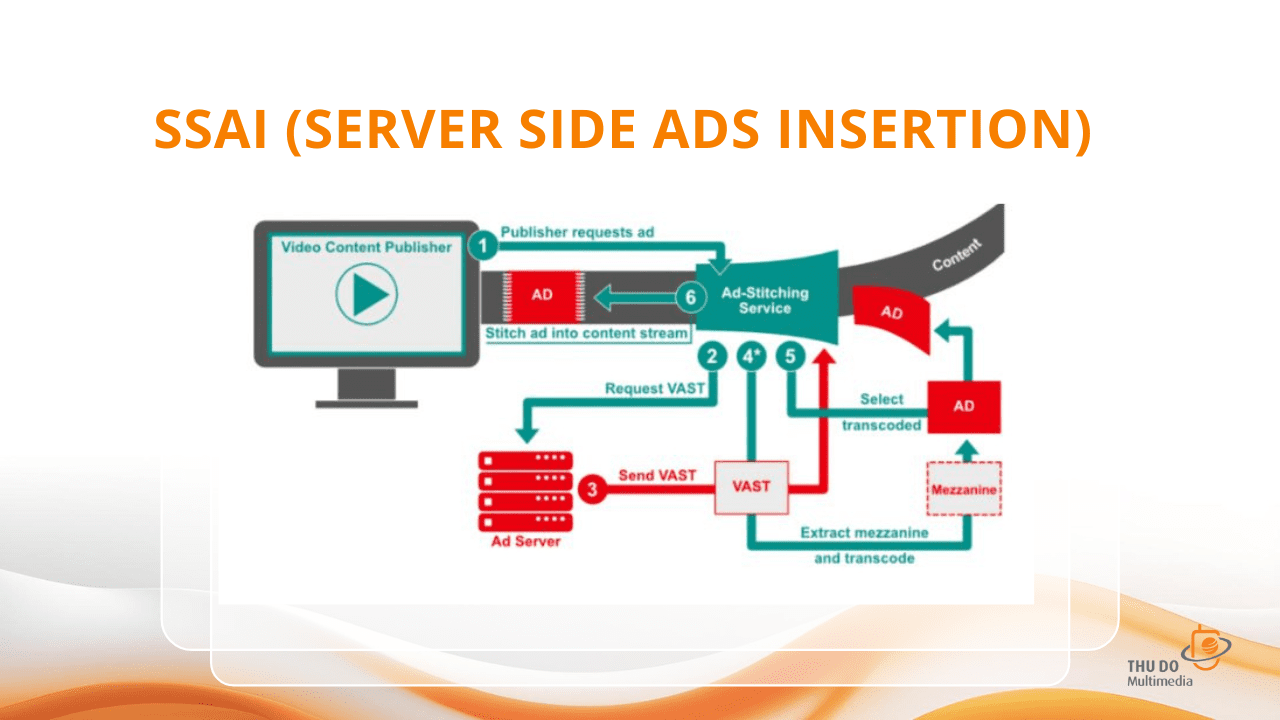
When we break down the server side ad insertion workflow architecture, we are fundamentally looking at a sophisticated bait-and-switch executed at the network edge. Instead of forcing the user’s video player to pause the movie, reach out to an ad network, download a commercial, and attempt to resume playback, SSAI handles all of this heavy lifting on the server. The stitcher intercepts the primary video manifest, communicates directly with an Ad Decision Server (ADS), transcodes the incoming creative to match the video’s exact specifications, and weaves it seamlessly into a single, continuous stream before it ever hits the Content Delivery Network (CDN).

To truly master this architecture, you must understand its rigorous 5-stage pipeline. It begins with Cue Insertion, where SCTE-35 markers are embedded into the broadcast feed to signal upcoming breaks. Next comes Manifest Fetching and Personalization, where the SSAI proxy intercepts the viewer’s request. The third stage is the ADS Call, where the server asks the ad network for a targeted commercial. Fourth is Ad Conditioning, where the ad is rapidly transcoded (if not already cached) to match the primary video’s rendition ladder. Finally, the Personalized Manifest Emission occurs, delivering a unified HLS or DASH playlist to the viewer.

The role of the Ad Decision Server (ADS) in this ecosystem cannot be overstated. When the SSAI engine reaches out to the ADS, it must securely pass contextual data about the user—such as their geographic location, device type, and Identifier for Advertising (IFA). The ADS uses this data to return a personalized VAST (Video Ad Serving Template) XML document. In our deployments, we rely heavily on robust solutions like AWS Elemental MediaTailor to act as the manifest manipulator, seamlessly parsing these VAST responses and orchestrating the stitching process without dropping a single frame.

Furthermore, the scale at which this architecture operates today is staggering. Leading broadcast specialists like Yospace recently reported crossing 10 billion monthly ad insertions. To achieve this without introducing massive buffering, the industry has shifted toward Edge-resident manifest manipulation. By bringing the ad stitching process closer to the viewer’s physical location at the CDN edge, we drastically reduce the round-trip latency of the ADS call, ensuring that even during high-concurrency live sporting events, the ad transition feels instantaneous.

SSAI vs Client Side Ad Insertion Performance

Analyzing the SSAI vs client side ad insertion performance matrix reveals why major broadcasters have completely abandoned the client-side model. The financial impact alone is a primary driver. As mentioned, client-side ad insertion (CSAI) relies on JavaScript or native player SDKs to fetch ads, making it incredibly easy for browser extensions and network firewalls to block the tracking beacons and ad servers. CSAI routinely loses 74–95% of ad inventory to ad blockers on web and mobile platforms. SSAI recovers this lost revenue entirely because the ad segments are delivered from the exact same server domain—and within the exact same manifest—as the primary video content, rendering ad blockers completely blind.

Beyond revenue protection, the viewing experience between the two technologies is night and day. We’ve all experienced the jarring nature of CSAI: the screen goes black, a spinning buffering wheel appears, the volume suddenly spikes, and the player UI breaks as it desperately tries to spin up a secondary video player just for the ad. SSAI eliminates this friction. Because the ad is stitched into the original video timeline at the server level, the player on the user’s device doesn’t even know an ad is playing. It simply sees a continuous stream of video chunks, providing a broadcast-grade transition that keeps viewers engaged and reduces abandonment rates.

Device compatibility is another critical performance vector. The modern OTT landscape is dominated by lightweight Smart TVs running operating systems like Tizen, webOS, and Roku. These devices often lack the CPU processing power and memory overhead required to run heavy, concurrent JavaScript CSAI SDKs smoothly. Because SSAI offloads the computational burden of ad decisioning and video switching to the cloud, it allows platforms to monetize legacy hardware and low-powered smart TVs flawlessly.

However, the industry is constantly evolving, and we are currently seeing the rise of SGAI (Server-Guided Ad Insertion) as an emerging middle ground. SGAI utilizes HLS Interstitials to have the server signal the ad break location within the manifest, but delegates the actual ad fetching and rendering back to the client player. While this offers better native tracking capabilities, it reintroduces some of the latency and ad-blocking vulnerabilities that pure SSAI eliminates, making pure SSAI via platforms like AWS Elemental MediaTailor our preferred choice for highly secure, premium monetization.

HLS and DASH Ad Insertion Technical Guide

Navigating the complexities of video streaming protocols requires a comprehensive HLS and DASH ad insertion technical guide. To successfully integrate ads into these streams, developers must manipulate the underlying text files (manifests) that tell the video player which chunks of video to download next, ensuring that the transition between high-action movie scenes and car commercials is mathematically perfect.

Implementing Manifest Manipulation for Ad Insertion

When implementing manifest manipulation for ad insertion in HLS (HTTP Live Streaming), the SSAI engine acts as a surgeon. Because the advertisement was likely encoded by a different server at a different time than the primary content, the internal timestamps (PTS – Presentation Time Stamps) of the video chunks will not align. To prevent the video player from crashing due to this timeline jump, the stitcher injects an #EXT-X-DISCONTINUITY tag into the HLS playlist right before the ad begins, and another right after it ends. This tag instructs the video player to reset its internal decoder and prepare for a new timeline sequence.

In DASH (Dynamic Adaptive Streaming over HTTP), the approach is structurally different but achieves the same goal through Multi-Period MPDs (Media Presentation Descriptions). Instead of inserting discontinuity tags, the DASH manifest is divided into distinct <Period> elements. The primary content <Period> closes, a new ad <Period> opens containing the commercial’s base URLs and segment timelines, and then the content <Period> resumes. This highly organized structure allows the player to buffer the ad smoothly without rewriting internal timestamps.

Crucially, whether you are using HLS or DASH, you must ensure that the ad creative’s rendition ladder perfectly matches the primary content. If your main video streams at 1080p, 720p, and 480p using the H.264 codec and a 48kHz audio sample rate, the transcoded ad must offer the exact same resolutions, codecs, and audio profiles. Mismatched profiles are the number one cause of player crashes during SSAI transitions, which is why utilizing automated ad conditioning services is vital.

Decoding SCTE-35 Markers

The true catalyst for live dynamic ad insertion is the SCTE-35 marker. SCTE-35 is an industry-standard binary cueing message injected into the MPEG Transport Stream by the broadcast encoder. It flags the exact start time and duration of an upcoming commercial break. For developers, decoding this base64 encoded payload is the first step in automation. It tells the SSAI engine exactly when to split the manifest and trigger the ADS call.

In modern streaming protocols, these binary markers must be translated into text-based manifest tags. For HLS, SCTE-35 data is typically translated into #EXT-X-DATERANGE or #EXT-OATCLS-SCTE35 tags. For DASH, they are mapped into EventStream boxes within the MPD. When the server-side stitcher reads these tags, it knows precisely where the discontinuity should occur.

One of the most critical operational requirements we enforce is the SCTE-35 “pre-roll.” For live SSAI to function without buffering, broadcasters must emit these cues at least 4 to 6 seconds before the actual ad break begins. This critical window gives the SSAI proxy enough time to intercept the cue, negotiate with the Ad Decision Server, fetch the VAST XML, and ensure the ad segments are conditioned and ready in the edge cache before the player actually requests them.

Một sơ đồ kỹ thuật chi tiết cho thấy các điểm đánh dấu SCTE-35 kích hoạt máy chủ quảng cáo đám mây để ghép các phân đoạn video vào danh sách phát tệp kê khai HLS

Dynamic Ad Insertion for Live Streaming vs. VOD

The engineering challenges diverge wildly depending on the broadcast format. Dynamic ad insertion for live streaming requires a totally different architectural mindset compared to Video on Demand (VOD). In VOD, the entire duration of the content is known in advance. Ad breaks can be pre-calculated, VAST calls can be made asynchronously, and ad creatives can be pre-transcoded and cached at leisure. Live streaming affords no such luxury; it is a high-wire act with zero margin for error.

Managing Latency in Live SSAI

In live environments, the SSAI engine must react to real-time SCTE-35 cues under incredibly strict latency budgets. If the ad stitching process takes too long, the live stream falls behind real-time, frustrating viewers watching sports or live news. In 2022, SSAI latency overhead routinely hovered around 1,580 milliseconds. However, modern 2026 architectures have crushed this barrier, achieving glass-to-glass latency overheads of roughly 425 milliseconds.

We achieve these sub-500ms speeds by utilizing Pre-conditioned Ad Pools, also known as Bring-Your-Own-Ads (BYOA) architectures. Instead of relying on dynamic, on-the-fly transcoding when the ADS returns a creative, the system pulls from a vast, pre-warmed cache of already-conditioned ads. The edge-resident stitcher simply rewrites the manifest pointers to these cached ad segments in microseconds, virtually eliminating processing delays.

Despite these advancements, live streaming requires robust fallback strategies. Ad networks fail, timeouts occur, and inventory sometimes goes unfilled. If a live SCTE-35 cue demands a 60-second ad break but the ADS only returns 45 seconds of inventory, you cannot simply leave 15 seconds of black screen. A well-architected SSAI implementation must automatically insert pre-transcoded “slate” (e.g., a “We’ll be right back” graphic) or fallback house ads to pad the remaining duration, ensuring continuous playback stability until the primary content resumes.

Monetizing OTT Platforms: How to implement server side ad insertion for OTT streaming

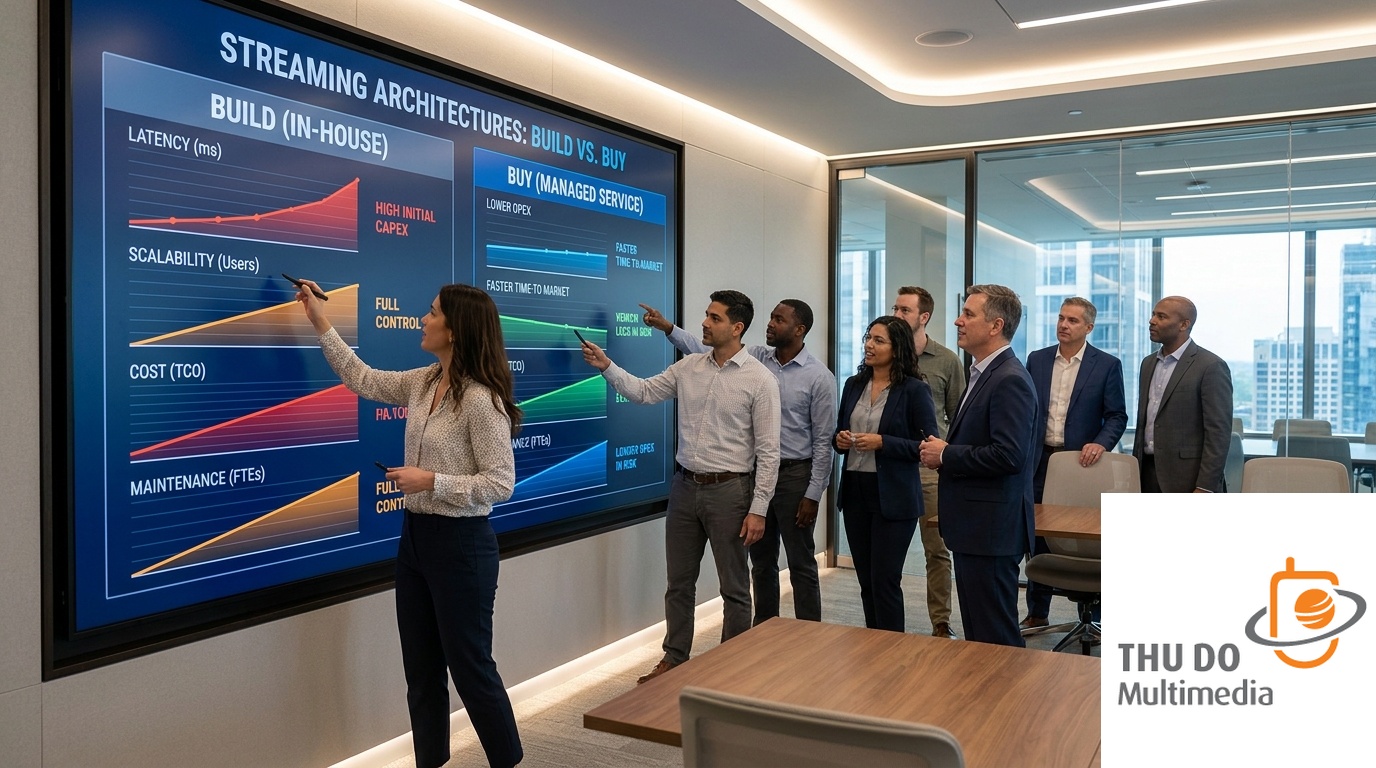
Ultimately, the goal of this infrastructure is revenue generation. Monetizing OTT platforms with server side ad insertion requires a clear understanding of the financial mechanics, operational costs, and return on investment. The days of custom-building proprietary manifest manipulators from scratch are largely over; today, leveraging managed cloud services provides the fastest time-to-market and the highest reliability.

Calculating the True Cost and ROI

When architecting a solution, you must carefully break down the managed service costs. Let’s look at pricing benchmarks using a leading service: AWS Elemental MediaTailor. As of July 2026, MediaTailor charges approximately $0.50 per 1,000 live ad insertions and $0.25 per 1,000 VOD insertions. This fee typically includes a generous allowance for ad transcoding (e.g., 10 free transcodes per 1,000 insertions). For a mid-sized platform executing 10 million live insertions a month, the managed stitching cost sits at a highly manageable $5,000.

To optimize these costs further, engineering teams must focus on cache hit ratios. Every time a unique, unconditioned ad is returned by the ADS, it costs money to transcode and increases CDN egress fees. By enforcing frequency capping and utilizing BYOA strategies, you can ensure the same pre-conditioned ads are served to broader cohorts, minimizing compute costs while maximizing edge-cache delivery efficiency.

The ROI of this investment is profound. Let’s run a conservative calculation. Imagine your platform loses 4.3 million impressions a month to client-side ad blockers. By routing your monetization through AWS Elemental MediaTailor or Yospace, you instantly recover that blocked inventory. At an average CTV CPM (Cost Per Mille) of $12, those 4.3 million previously blocked impressions translate to $51,600 in net-new monthly revenue. Subtracting the $2,150 stitching fee, your platform achieves nearly $50,000 in pure monthly profit simply by shifting from CSAI to SSAI.

OTT Video Ad Insertion Best Practices and Troubleshooting

Even with managed services, technical pitfalls abound. Applying OTT video ad insertion best practices separates the amateur deployments from the enterprise-grade powerhouses. The two largest hurdles you will face are combating ad fraud filters and diagnosing opaque playback failures.

Solving the Invalid Traffic (IVT) Trap

The biggest inherent flaw of SSAI is tracking vulnerability. Because the ad segments are stitched on the server, the tracking beacons (firing to tell the advertiser the ad was watched) also originate from the server’s IP address. To a third-party ad verification system, it looks like a single IP address in a data center is suddenly watching millions of ads simultaneously. This triggers aggressive Invalid Traffic (IVT) fraud filters, causing advertisers to refuse payment for your inventory.

The technical fix requires strict adherence to VAST 4.3 standards. Your SSAI proxy MUST forward transparency headers from the client device through to the Ad Server. At a minimum, developers must configure their API to pass these exact headers in the ADS payload:

X-Forwarded-For: <Client_Actual_IP_Address>
X-Device-User-Agent: <Client_Actual_Device_String>

Currently, only about 26% of SSAI impressions ship with full transparent header sets, leaving the rest highly vulnerable to revenue clawbacks. Furthermore, to satisfy premium advertisers, we strongly recommend implementing the IAB Open Measurement SDK (OM SDK v1.5). This lightweight, client-side layer doesn’t fetch the ad, but it verifies viewability (is the screen on? is the volume up?) and sends cryptographically signed signals back to the advertiser, completely bridging the trust gap inherent in server-side delivery.

Preventing Player Stalls and Discontinuities

While competitors often gloss over playback failures, providing a concrete troubleshooting framework is essential for developers. When a video player stalls at an ad break, it is almost always a manifest timeline error or a codec mismatch.

If your player crashes right as the ad begins, run this step-by-step checklist:
1. Inspect the Rendition Ladder: Download the content chunk and the ad chunk immediately preceding the crash. Run them through ffprobe. If your content audio is 48kHz and the transcoded ad is 44.1kHz, the hardware decoder on the Smart TV will hard-crash.
2. Verify SCTE-35 Timestamps: Do not blindly trust live SCTE-35 feeds from broadcast partners. Encoders frequently drift. Ensure your SSAI pipeline includes automated cue monitoring to validate that the SCTE-35 PTS (Presentation Time Stamp) exactly matches an IDR (Instantaneous Decoding Refresh) keyframe in the video stream. If it misses the keyframe, the stitcher will cut the video mid-GOP (Group of Pictures), resulting in macro-blocking and immediate playback stalls.
3. Check Discontinuity Sequencing: Ensure that your #EXT-X-DISCONTINUITY-SEQUENCE tags are incrementing correctly across manifest refreshes, or the player will lose its place in the timeline buffer.

Một lập trình viên chỉ vào màn hình máy tính hiển thị các dòng mã cho tiêu đề X-Forwarded-For và tệp kê khai video để khắc phục sự cố

Câu hỏi thường gặp

What is the difference between SSAI and CSAI?
SSAI (Server-Side Ad Insertion) stitches ads directly into the video manifest on the server level before it reaches the viewer, creating a single, continuous, and seamless stream. In contrast, CSAI (Client-Side Ad Insertion) relies on the actual video player on the user’s device to pause the main content, call an ad server, download, and play the advertisement separately, which often causes buffering and UI glitches.

Does Server-Side Ad Insertion stop ad blockers?
Yes, almost entirely. Because the ad video segments are delivered from the exact same server domain and within the exact same text manifest as the actual movie or television show, ad blockers simply cannot distinguish the commercial from the primary content. This mechanism successfully bypasses 74-95% of typical client-side ad blocking technologies.

What are SCTE-35 markers in live streaming?
SCTE-35 is a standardized binary signal embedded directly into a live video transport stream. It tells downstream systems—like the ad insertion server—exactly when a commercial break is scheduled to start and precisely how long it will last. It serves as the automated trigger for dynamic ad insertion in live sports and news broadcasts.

How much does it cost to implement SSAI?
Managed cloud infrastructure services like AWS Elemental MediaTailor typically charge around $0.50 per 1,000 ad insertions for live streaming, and $0.25 per 1,000 insertions for VOD content. While custom enterprise architectures involve high upfront engineering and maintenance costs, renting these SaaS API solutions provides immense scalability with very predictable, low marginal costs.

What is Server-Guided Ad Insertion (SGAI)?
SGAI is an emerging hybrid architecture where the server takes responsibility for signaling exactly where the ad breaks are located inside the manifest (typically using HLS Interstitials), but the actual fetching and rendering of the ad video files are executed by the client player. It attempts to combine SSAI’s resistance to ad blockers with CSAI’s superior, native client-side tracking capabilities.


By understanding these deep technical frameworks and operational realities, your engineering and monetization teams will be perfectly positioned on how to implement server side ad insertion for OTT streaming, ensuring maximum revenue retention without sacrificing the premium viewing experience your audience expects.

The Definitive Guide to DAI for FAST channels Today

Key Takeaways

  • Massive Market Expansion: The FAST ecosystem has exploded to over 1,900 channels globally, driven by an incredible 1.8 billion hours of streaming consumption by U.S. viewers in 2025 alone.
  • Seamless Viewer Experience: Server-Side Ad Insertion (SSAI) is the backbone of modern streaming, stitching ads directly into the broadcast to prevent buffering, bypass ad blockers, and deliver a traditional TV-like feel.
  • Technical Workflow Mastery: Profitable monetization relies heavily on precision signaling using SCTE-35/104 markers and secure manifest manipulation backed by JWT stitcher tokens.
  • Maximized Yield Generation: Combining direct ad sales with real-time programmatic bidding ensures a 100% fill rate, allowing premium platforms to command highly competitive CPMs of around $15.

The streaming landscape has shifted irrevocably beneath our feet. If you are a broadcaster, a content distributor, or a media network owner trying to capture modern viewership without a robust strategy involving DAI for FAST channels, you are actively leaving massive amounts of revenue on the table. In our experience working on the frontlines of broadcast technology, relying on outdated ad-insertion methods or treating linear streaming like legacy cable simply no longer works. Viewers demand premium, uninterrupted experiences, while advertisers demand hyper-targeted, measurable returns on their spend. Bridging that gap requires a flawless technological foundation.

An Introduction to Digital Advertising Insertion for FAST channels

Understanding the sheer power of *Digital Advertising Insertion for FAST channels* requires looking past the surface-level marketing you often see in the industry. At its core, Dynamic Ad Insertion (DAI) is the sophisticated backend technology that allows broadcasters to swap out generic, baked-in commercial breaks for highly targeted, user-specific advertisements within a live or linear streaming feed. When a viewer watches a FAST (Free Ad-Supported Streaming TV) channel, they aren’t just receiving a one-to-many broadcast. Instead, the DAI system evaluates the viewer’s location, demographic profile, and behavioral data in milliseconds, replacing the default ad slate with a custom commercial that resonates specifically with that individual.

The shift from traditional broadcast advertising to modern DAI represents a monumental leap in how we monetize media. In legacy linear television, advertisers pay a premium for broad, untargeted demographics—hoping that their commercial for luxury cars hits the right household during a prime-time slot. Today, DAI turns dormant Video on Demand (VOD) libraries and incredibly niche archival content into highly profitable, continuously running ad-supported networks. By leveraging precision targeting, content owners can extract maximum value from every single ad impression, transforming what used to be a scattergun approach into a laser-focused revenue engine.

For our engineering team, the most critical metric of success has always been the viewer experience. Modern DAI ensures a broadcast-grade, buffer-free transition between the core programming and the commercial break. I vividly remember the early days of digital video ads, where users were forced to endure jarring loading screens, spinning buffer wheels, and mismatched audio levels. Today, true DAI seamlessly stitches the advertisement into the stream natively. The viewer cannot distinguish between the television show and the targeted commercial, maintaining the lean-back, passive viewing experience that makes traditional TV so comforting, while delivering the technological sophistication of digital marketing.

The Explosive Growth of ad-supported streaming TV monetization

We cannot discuss *ad-supported streaming TV monetization* without looking at the staggering, concrete data driving this industry boom. As of March 2025, our industry research confirms there are over 1,900 FAST channels operating globally. This isn’t just a slow, incremental rise; the FAST channel landscape experienced a massive 21% growth in 2025 alone. Viewership consumption has reached unprecedented heights, with U.S. viewers streaming an astonishing 1.8 billion hours of FAST content through August 2025—a 43% year-over-year increase. These numbers validate what we’ve been telling content owners for years: the audience has firmly migrated to free, ad-supported linear models.

This migration reflects a fundamental change in consumer habits that cannot be ignored. Currently, 45% of U.S. internet households actively watch FAST services, integrating these platforms into their daily routines alongside paid subscription tiers. Even more critically for media buyers, ad-supported viewing now accounts for approximately 73% of all TV time across both traditional and streaming platforms. Furthermore, the persistent myth that FAST channels are merely dumping grounds for old, low-quality archival content has been completely shattered. Our data shows that out of the more than 178,000 unique programs, episodes, and movies available, 70% of the programming was produced since 2010. This modernization of content yields premium ad inventory that attracts high-value, top-tier advertisers.

We are also seeing incredible targeting opportunities arise from the hyper-niche segmentation of these channels. Reality programming has become the fastest-growing genre in the ecosystem, jumping an incredible 626% to encompass 138 dedicated channels. Similarly, sports FAST channels have doubled year-over-year, reaching over 220 unique channels tailored to rabid fan bases. When you combine this genre specificity with the massive scale of major platforms—such as Pluto TV, The Roku Channel, and Tubi, which each exceed 50 million active viewers—you create an environment where brands can execute highly contextual, hyper-relevant ad targeting at an unprecedented scale.

How server-side ad insertion for streaming TV Works (SSAI vs. CSAI)

When evaluating the infrastructure required for success, mastering *server-side ad insertion for streaming TV* is non-negotiable. Server-Side Ad Insertion (SSAI), commonly referred to in the broadcast world as ad stitching, is the process where advertisements are seamlessly injected directly into the video stream at the server level, long before the data ever reaches the viewer’s device. Instead of asking the viewer’s smart TV to pause the movie and fetch an ad, the server prepares a continuous, unbroken video file that contains both the show and the commercial. This eliminates the latency, buffering, and frustrating black screens that plague older Client-Side Ad Insertion (CSAI) methods.

One of the most powerful advantages of SSAI is its ability to ruthlessly defeat ad blockers. In our deployments, we’ve seen CSAI architectures lose up to 30% of their ad revenue simply because browser extensions or network-level blockers recognize the third-party ad request and intercept it. Because SSAI stitches the advertisement directly into the primary video stream on the server side, the ad content originates from the exact same server and delivery domain as the primary movie or TV show. To an ad blocker, the commercial looks indistinguishable from the actual programming, ensuring your ad impressions are successfully delivered and accurately billed.

Beyond revenue protection, server-side stitching guarantees flawless cross-device compatibility. The modern viewer does not just watch TV in their living room; they transition from Smart TVs and Roku devices to mobile phones, tablets, and desktop browsers on the commute. Because the heavy lifting of transcoding and stitching happens in the cloud, the end-user’s device doesn’t need high processing power or specialized player SDKs to render the commercial break. The stream simply arrives as standard video, ensuring that whether a user is on a premium $2,000 OLED screen or a five-year-old smartphone, the advertising plays back perfectly.

Decoding the dynamic ad insertion workflow for FAST

If you want to truly understand how this ecosystem operates, we have to pop the hood and decode the *dynamic ad insertion workflow for FAST*. The entire process hinges on precise broadcast signaling, specifically SCTE-35 or SCTE-104 markers. These markers are invisible, time-coded digital cues embedded deep within the video feed. As the linear stream progresses, these markers signal to the backend system exactly when an ad break (known in the industry as an “avail”) is approaching, how long the break will last, and whether local or dynamic ad insertion is permitted. Without frame-accurate SCTE markers, the entire DAI ecosystem falls apart, resulting in ads cutting off dialogue or dead air playing on screen.

Once the marker is detected, the system executes real-time manifest manipulation. Streaming video is delivered using manifest files (typically .m3u8 for HLS or .mpd for DASH), which act as a playlist telling the video player which short video segments to download and play next. During an ad avail, the server dynamically rewrites this manifest file in milliseconds. Instead of pointing the video player to the default placeholder slate (e.g., “We’ll be right back”), the manifest is manipulated to point directly to targeted ad segments. This allows the system to serve completely different video files to two viewers watching the exact same channel at the exact same time.

In that split second before the ad plays, a complex communication sequence occurs. The playout system pings the ad server with rich audience metadata, triggering a request for a relevant commercial. The ad server responds with VAST or VMAP tags detailing which ad won the bid. Crucially, this backend delivery often relies on JWT (JSON Web Token) stitcher tokens—a security standard we frequently see deployed on premium platforms like Pluto TV—to authenticate the transaction, validate ad delivery, and prevent widespread ad fraud. The system then transcodes the winning ad to perfectly match the bitrate and resolution of the primary stream, stitching it in seamlessly.

Integrating programmatic advertising in Free Ad-supported Streaming TV

To unlock the true financial potential of your inventory, mastering the art of *programmatic advertising in Free Ad-supported Streaming TV* is critical. For content owners, this involves strategically connecting their channel’s ad inventory to multiple Supply-Side Platforms (SSPs) and digital ad exchanges. Instead of relying solely on a massive team of human salespeople making phone calls to media buyers, programmatic integration opens your ad breaks up to automated, real-time algorithmic bidding. The moment a SCTE-35 marker fires, the SSP broadcasts the available impression to Demand-Side Platforms (DSPs), inviting hundreds of brands to instantly bid on the right to show their commercial to that specific viewer.

Real-Time Bidding (RTB) is the engine that maximizes your channel’s yield. The programmatic auction ensures that the highest-paying advertiser wins the impression slot in mere milliseconds. This competitive pressure is what drives up the Cost Per Mille (CPM). Our latest market analysis shows that the average CPM for premium FAST platforms like Pluto TV sits comfortably around $15. While this is lower than subscription-hybrid platforms like Hulu (~$24) or Netflix (~$37), the sheer volume and completely free nature of FAST channels make that $15 CPM an absolute goldmine for broadcasters operating highly scaled networks.

The secret weapon driving these programmatic bids is robust audience segmentation powered by Automatic Content Recognition (ACR) and AI-driven data. Advertisers do not want to buy generic impressions; they want hyper-targeted audiences. By leveraging smart TV data, platforms can segment audiences by incredibly granular metrics: precise geolocation, household income brackets, past purchasing behavior, and specific viewing habits. When an SSP can guarantee an advertiser that their commercial will only be shown to high-income homeowners currently watching home improvement content, brands are willing to pay a massive premium, driving your overall channel revenue through the roof.

Top FAST channel monetization strategies

I have consulted with numerous media networks, and the most successful *FAST channel monetization strategies* always utilize a sophisticated hybrid approach to filling ad inventory. Relying purely on one method is a recipe for lost revenue. The most lucrative strategy involves deploying a direct sales team to sell your most premium, high-CPM inventory (such as prime-time slots or massive live events) directly to major brands. However, because a 24/7 channel generates millions of impressions, human sales teams will never sell out 100% of the breaks. That is where programmatic backfill comes in, automatically sweeping up any unsold slots to guarantee a 100% fill rate, ensuring there are absolutely zero wasted ad impressions.

Contextual ad alignment is another immensely powerful strategy that savvy channel operators use to command higher prices. Advertisers are deeply concerned with brand safety and relevancy. If you operate a dedicated DIY and home improvement FAST channel, integrating contextual targeting ensures that viewers see commercials for power tools, lumber yards, and mortgage rates. This hyper-relevancy drastically increases viewer engagement and click-through rates. When media buyers see the conversion data from contextually aligned campaigns, they invariably increase their bid limits for your specific channel’s inventory.

None of this is possible without severe dedication to metadata enrichment. In programmatic exchanges, your ad inventory is completely blind to buyers unless you tell them what it is. Passing rich, accurate metadata—including detailed episode synopses, specific genre tags, age ratings, and cast information—to the ad exchanges is vital. When we look at why some channels struggle to monetize despite high viewership, it is almost always because their metadata is poor. Rich metadata gives advertisers the confidence that their brand is placed in a safe, relevant context, instantly increasing the perceived value of your ad avails.

Choosing the Right DAI technology for connected TV

Selecting the correct *DAI technology for connected TV* is the most critical infrastructure decision your engineering team will make. We often see broadcasters seduced by heavily promotional platforms like Planetcast or Vector3, which act as excellent product landing pages but fail to educate content owners on the complex underlying mechanics of manifest manipulation and VAST/VMAP tagging. Similarly, while tools like Adwave offer phenomenal industry data for local SMB advertisers, they fundamentally lack the deep technical workflows required by enterprise-level broadcasters. At StreamWorks, our StreamWorks Playout and DAI Engine was explicitly built to bridge this gap, offering a cloud-native ecosystem that integrates advanced scheduling, seamless playout, and vendor-neutral ad insertion into a single, cohesive workflow.

When evaluating these systems, broadcast-grade reliability must be your guiding star. Linear television does not pause for server reboots. The technology stack you choose must feature smart redundancy and seamless, sub-second failovers. If an ad server times out or fails to return a valid VMAP response, your DAI engine must instantly fall back to a direct-sold house ad or a branded slate rather than crashing the stream or showing a black screen. Furthermore, operators require real-time analytics dashboards that meticulously track delivered impressions, precise fill rates, and viewer drop-off metrics to continuously optimize their ad load.

Finally, true scale requires global distribution capabilities. Building a great FAST channel is meaningless if you cannot deliver it formatted perfectly for the myriad of endpoints dominating the market. Your chosen technology stack must seamlessly handle the distinct formatting, security token, and delivery requirements of platforms like Pluto TV, The Roku Channel, Tubi, and Samsung TV Plus. Each of these aggregators has incredibly strict, unique ingestion specs. A robust DAI engine normalizes these complexities, allowing broadcasters to push a single, monetized stream across dozens of global platforms simultaneously without re-engineering the wheel for each one.

Overcoming Common FAST Channel Ad Tech Challenges

Despite the maturity of the technology, operators still face significant hurdles, the most prominent being managing fragmented delivery. Because the connected TV landscape is a chaotic mix of operating systems—from Tizen and WebOS to Roku and tvOS—delivering a consistent user experience is notoriously difficult. A poorly integrated ad stitcher will cause audio desyncs on a Samsung TV while playing perfectly on an Apple TV. Robust, server-side manifest manipulation solves this by unifying the video and ad chunks at the origin server, ensuring that the fragmented array of downstream devices only has to decode standard, unbroken video frames.

Curing low fill rates is the next major challenge that keeps channel managers awake at night. If you are experiencing a 40% fill rate, it means 60% of your commercial breaks are playing unmonetized slates, bleeding potential revenue. In my experience, fixing this requires a two-pronged attack: first, widening your demand by improving ad tech integrations with multiple SSPs simultaneously to increase bid density. Second, aggressively optimizing the timeout thresholds during the ad request process. If your DAI engine only waits 500 milliseconds for a bid response, you are likely cutting off lucrative programmatic bids. Tweaking these latency tolerances can instantly yield double-digit increases in fill rate.

Lastly, handling the technical transitions between Live and VOD content presents massive complexities. Inserting ads into a pre-scheduled VOD loop is highly predictable, as all SCTE-35 markers are plotted days in advance. However, inserting ads into live sports or breaking news broadcasts requires a completely different operational workflow. Directors must have the ability to execute manual ad triggering, firing SCTE-104 signals via a production switcher in real-time based on live game flow (like an unexpected time-out). Your ad tech stack must possess the agility to instantly interpret these impromptu cues, compress the ad request timeline, and stitch the commercial flawlessly without interrupting live gameplay.

Câu hỏi thường gặp

1. What is Dynamic Ad Insertion (DAI) in FAST channels?
Dynamic Ad Insertion (DAI) is the sophisticated backend technology used to seamlessly insert targeted video advertisements into a live or linear streaming broadcast. In the FAST (Free Ad-Supported Streaming TV) ecosystem, DAI replaces generic, pre-baked commercial breaks with highly personalized ads tailored to the viewer’s demographics, geographic location, and behavioral data.

2. What is the difference between SSAI and CSAI?
Server-Side Ad Insertion (SSAI) stitches the commercial directly into the video stream on the cloud server before it ever reaches the viewer’s screen. This results in a smooth, buffer-free, traditional TV-like experience that successfully bypasses ad blockers. Client-Side Ad Insertion (CSAI), conversely, relies on the user’s local video player to pause the primary content, request the ad, and play it, which frequently leads to heavy buffering, black screens, and extreme vulnerability to ad-blocking software.

3. How do FAST channels trigger ad breaks?
FAST channels trigger ad breaks using industry-standard broadcast signaling, primarily SCTE-35 or SCTE-104 markers, which are embedded directly within the video feed. When the streaming server detects these invisible time-coded markers, it knows precisely when to manipulate the video manifest file, ensuring the dynamic ad content is inserted with frame-accurate precision.

4. How do content owners monetize FAST channels?
Content owners achieve maximum monetization by connecting their channel’s ad inventory to Supply-Side Platforms (SSPs) and digital ad exchanges. This opens the door to programmatic advertising, where multiple brands bid in real-time for specific ad slots based on viewer data, working alongside direct ad sales teams. Success is ultimately measured by maintaining high fill rates and securing competitive CPMs (which currently average around $15 for top-tier platforms).

By mastering the intricacies of DAI for FAST channels, content owners can transform idle video assets into dynamic, revenue-generating engines that rival traditional broadcast networks. Leveraging the right mix of technology, programmatic strategy, and server-side stitching is no longer a luxury—it is the baseline requirement for success in modern streaming.

Best Dynamic Ad Insertion OTT Platforms for Small Publishers

Best Dynamic Ad Insertion OTT Platforms for Small Publishers

Key Takeaways
* The OTT ad market is projected to cross $30 billion globally in 2026; capturing this revenue requires accessible tech tailored specifically for non-enterprise, independent publishers.
* Server-Side Ad Insertion (SSAI) is essential for bypassing ad blockers and providing a seamless, TV-like viewing experience without the lag associated with Client-Side Ad Insertion (CSAI).
* Entry-level ad networks like Ezoic, Sovrn, and Google AdSense for Video offer small publishers premium programmatic demand without the massive traffic thresholds of enterprise platforms.
* Differentiating your foundational technology stack (video hosting like Mux or Brightcove) from your monetization partners (networks like Teads or Raptive) is crucial to minimizing operational costs while maximizing ad yield.

Over the past few years, we have witnessed a monumental shift in how video content is consumed and monetized across the internet. If you operate an independent media site or a boutique streaming app, finding the best dynamic ad insertion OTT platforms for small publishers is no longer just a technical upgrade; it is a financial necessity. In our experience working with independent creators, the biggest hurdle isn’t producing great content—it’s navigating a complex programmatic advertising ecosystem built almost exclusively for giants like Netflix and Disney. With the OTT advertising market surging past $30 billion globally in 2026 and capturing 45% of total video ad spend, independent publishers deserve a lucrative slice of the pie. We will walk you through the exact tools, networks, and infrastructure required to monetize your video inventory efficiently, bypassing heavy development costs.

Understanding server-side ad insertion for boutique broadcasters

Mastering video monetization starts with grasping the fundamental technology that delivers commercials to your audience, which is why understanding server-side ad insertion for boutique broadcasters is absolutely critical. Server-Side Ad Insertion (SSAI) is the sophisticated process of stitching video commercials directly into the primary content stream at the Content Management System (CMS) or Content Delivery Network (CDN) level. Unlike traditional methods, this unified stream makes the ad and the video indistinguishable to the end-user’s device or browser. For independent creators, this means your advertisements become highly resistant to ad blockers, ensuring that every monetizable impression is successfully served and accurately counted by your monetization partners.

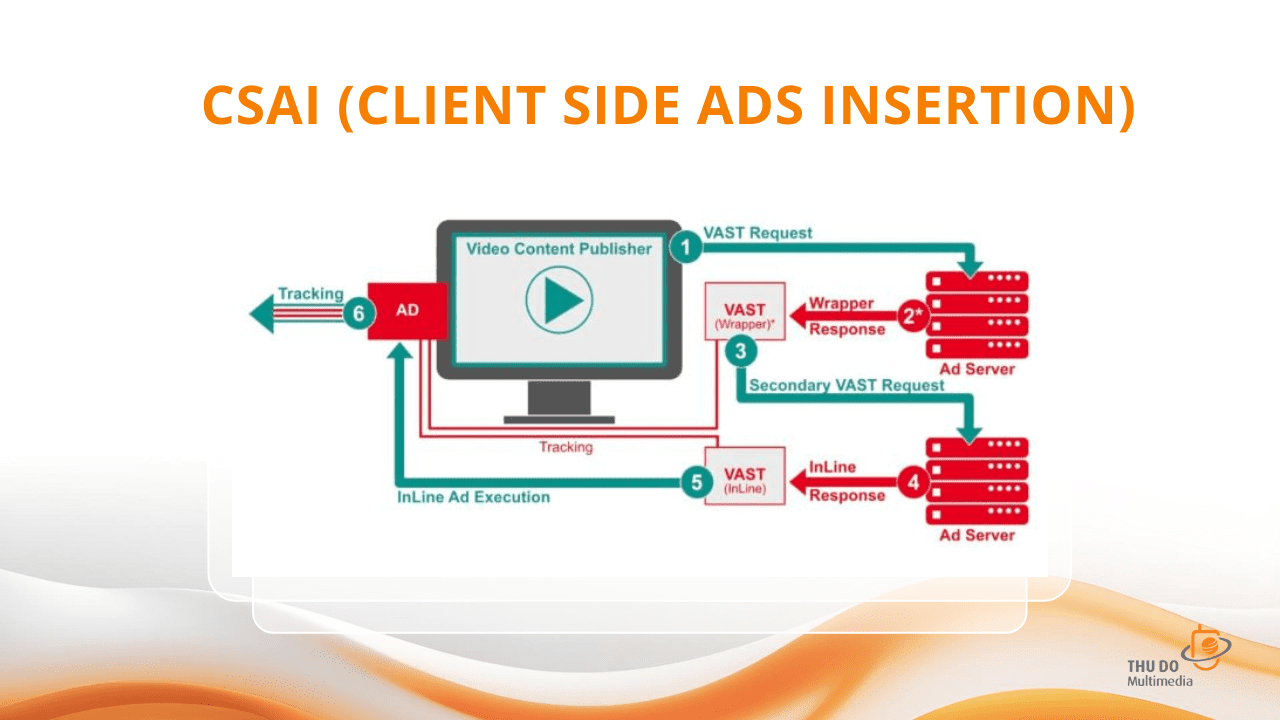
We must contrast this modern approach with Client-Side Ad Insertion (CSAI), a legacy method that forces the viewer’s browser or app to request, load, and play the advertisement separately from the main video file. CSAI is notorious for causing extreme latency, infinite buffering loops, and jarring transitions that ruin the viewer experience. Connected TV (CTV) ad revenue is currently growing at a rapid pace of 25% year-over-year, and capturing that revenue requires a flawless, TV-like experience. When small publishers rely on CSAI, they suffer notoriously high abandonment rates. By moving to SSAI, you eliminate the spinning wheel of death, ensuring your content plays seamlessly across CTV, mobile devices, and desktop environments.

Consider the operational reality of an independent indie-film streaming site we recently analyzed. They initially used basic CSAI to serve preroll video ads, resulting in a staggering 40% drop-off rate before the main feature even began due to browser-based ad blockers and mobile network latency. After migrating to an SSAI architecture, they replicated the flawless commercial breaks seen on major broadcast networks. Furthermore, they utilized standard IAB protocols like VAST (Video Ad Serving Template) and VPAID to seamlessly connect their unified video player to programmatic Demand Side Platforms (DSPs). This standardization allowed their boutique inventory to compete in automated auctions without technical errors, instantly lifting their fill rates and rescuing thousands of dollars in lost revenue.

OTT ad insertion solutions for independent publishers: Top Networks

When building your monetization strategy, it is vital to distinguish between your core technology infrastructure and your demand sources. The market is flooded with OTT ad insertion solutions for independent publishers that act primarily as video ad networks, bringing lucrative brand campaigns directly to your player. Unlike enterprise behemoths such as FreeWheel or Magnite—which routinely demand millions of monthly impressions and charge hefty integration fees—these accessible networks cater specifically to the operational realities of smaller sites. They democratize access to premium video yields, allowing boutique content creators to plug into vast programmatic ecosystems without needing an expensive, dedicated ad operations team.

The data surrounding ad-supported streaming cannot be ignored by anyone in the publishing space: today, 68% of US streaming subscribers are on an ad-supported plan, and a staggering 71% of new subscriber growth over the past two years came via ad tiers. To capture this surging audience, publishers are turning to automated platforms like Ezoic. Ezoic’s Humix network represents a phenomenal entry point for small operators, offering a remarkably low $20 minimum payout threshold. Through proprietary machine-learning algorithms, Humix automates ad frequency and player positioning, continuously optimizing the yield without manual intervention. This removes the guesswork from ad load management, allowing small publishers to focus entirely on content creation and audience acquisition.

We regularly see specialized gaming and niche entertainment sites thrive by deploying these tailored networks rather than attempting to build demand direct-sales teams from scratch. For example, Playwire’s Revenue Amplification Engine (RAMP) offers a complimentary video player and robust cloud hosting for publishers generating over 100,000 pageviews, uniquely packaging sticky video sliders and rewarded video formats that resonate with highly engaged audiences. Alternatively, tools like VDO.AI and Sovrn provide seamless plug-and-play placements for independent bloggers. VDO.AI offers contextual floating HTML5 players that don’t even require the publisher to host their own video assets, while Sovrn leverages Prebid.js video header bidding modules to eliminate enterprise technical barriers completely.

Affordable dynamic ad insertion software for streaming Ecosystems

Separating your ad network from your foundational technology is a defining characteristic of a mature, scalable media business. To actually execute SSAI properly, you must invest in affordable dynamic ad insertion software for streaming rather than assuming your ad network will magically handle the backend encoding. This specialized software handles the heavy backend lifting: high-speed video hosting, live transcoding, Digital Rights Management (DRM) protection, and the intricate server-side ad stitching required to unify the final stream. Choosing the right tech stack dictates whether you spend your monthly budget on aggressive content marketing or waste it on fixing broken video feeds and managing server crashes.

A common pitfall we observe in the industry is small publishers confusing media buying platforms with dedicated OTT infrastructure. Building a standalone streaming service requires robust, dedicated architecture. Tech providers like Brightcove, JW Player, Kaltura, Vimeo OTT, and Mux currently represent the gold standard for independent streaming operations. They offer scalable, usage-based pricing models that allow you to pay based on actual bandwidth and storage consumed, carefully avoiding the exorbitant fixed licensing fees of tier-one broadcast software. By leveraging these versatile platforms, a boutique VOD service can stitch targeted commercials into their content at a mere fraction of enterprise costs, maintaining broadcast-quality 4K resolution even during unexpected traffic spikes.

Take the case of a mid-sized regional sports broadcaster attempting to launch a direct-to-consumer app for their passionate local fanbase. Initially, they tried to build custom stitching logic from scratch on AWS, which quickly drained their entire quarterly development budget and resulted in buggy ad loads. We advised them to pivot immediately to Mux for raw video delivery combined with JW Player’s native ad integration wrapper. This strategic “buy instead of build” mentality allowed them to deploy broadcast-grade DAI within three weeks. They securely managed their DRM while effortlessly stitching in local, direct-sold sponsorship spots, proving that enterprise-grade streaming ecosystems are entirely accessible to independent operators when they leverage the right software partners.

Cost-effective DAI tools for linear OTT and VOD

Balancing maximum monetization with long-term viewer retention is the most delicate dance any independent streaming operator will perform. Utilizing cost-effective DAI tools for linear OTT and Advertising-Based Video on Demand (AVOD) empowers publishers to maximize their ad revenue without alienating their hard-earned audience. These modern tools allow publishers to intelligently manage ad pods, dynamically inserting commercials based on real-time user engagement metrics and contextual breakpoints rather than arbitrary timecodes. This dynamic flexibility ensures that a viewer is served an ad only when they are most receptive—like a natural scene transition—preserving the overarching viewing experience while satisfying rigorous advertiser demands.

The industry benchmarks for acceptable commercial loads have shifted dramatically in favor of the publisher. Ad breaks on streaming platforms are quickly normalizing; roughly a third of ad pods can now reach 2–3 minutes, completely comparable to traditional linear TV breaks. Viewers have demonstrated a strong willingness to accept these longer breaks—provided the ad delivery is flawless and doesn’t cause frustrating buffering or app crashes. Unified auction-based bidding and intelligent server-side logic are critical to achieving this balance. By consolidating multiple demand paths, these cost-effective tools prevent duplicated supply requests, drastically reducing latency and maximizing the yield of every available ad slot without requiring publishers to inflate their technical overhead.

We closely monitored a small Free Ad-Supported Streaming TV (FAST) channel focused strictly on classic, public-domain cinema. They utilized affordable DAI logic to structure their commercial breaks highly dynamically. During a two-hour classic film, their system mapped out 3-minute ad pods that triggered exclusively during natural scene fades. By employing unified bidding directly within their DAI tool, they accessed multiple programmatic demand sources simultaneously in a single auction. This strategy successfully filled 100% of their ad breaks at premium CPMs, completely avoiding the repetitive, revenue-draining “we’ll be right back” slates that plague so many poorly monetized independent FAST channels.

Best video monetization platforms for small streaming sites

For publishers who already have their hosting infrastructure securely in place, securing high-paying advertisers is the ultimate final piece of the puzzle. Identifying the best video monetization platforms for small streaming sites requires looking for transparent partners that offer massive global reach and highly favorable revenue shares. These platforms act as the vital bridge between your localized video content and massive global brand budgets. For independent creators, the ideal monetization platform requires minimal ongoing technical integration while opening the floodgates to vast, diverse pools of programmatic buyers that would otherwise be completely inaccessible to a boutique operation.

Google AdSense for Video remains an absolute, undisputed powerhouse in this specific space. By integrating the widely supported Google IMA SDK, publishers instantly unlock the immense demand generated by the Google Display Network and Google Ads buyers. What truly sets Google apart for smaller sites scaling internationally is its total transparency: it offers a standard, publicly stated 68% publisher revenue share. When you consider that YouTube accounts for around 12.5% of all US television viewing, aligning your independent site with Google’s robust video demand infrastructure guarantees industry-leading fill rates, regardless of where your niche audience is geographically located.

Text-heavy editorial platforms also desperately need video monetization, even if they don’t operate a traditional streaming app or produce original films. Teads is a phenomenal, elegant solution for these publishers, allowing them to monetize via In-Read outstream video. Teads provides both the high-quality video content and the accompanying ads, delivering massive CPMs without requiring the publisher to produce a single video file. Similarly, Raptive (formerly AdThrive) offers specialized yield optimization for lifestyle publishers generating over 100,000 pageviews, frequently delivering phenomenal 75%+ revenue shares. We’ve seen independent recipe and travel blogs double their overall ad revenue simply by implementing Raptive’s bespoke outstream video players alongside their traditional, standard display banner units.

Một nhóm các nhà xuất bản nội dung trẻ tuổi đang xem phân tích trên máy tính bảng trong một quán cà phê hiện đại, trông rất hào hứng với sự tăng trưởng doanh thu.

Programmatic ad insertion for small video platforms: Maximizing Yield

Shifting away from manual, time-consuming direct ad sales to a fully automated ecosystem is exactly how independent creators successfully scale their media operations. Implementing programmatic ad insertion for small video platforms connects your valuable video inventory to a multitude of automated auctions occurring in mere milliseconds. This programmatic approach ensures that every single ad impression is sold to the absolute highest bidder in real-time, completely maximizing your yield. By utilizing advanced header bidding technologies and connecting to top-tier Supply-Side Platforms (SSPs), boutique publishers can force advertisers to compete fiercely for their audience, driving up the average CPM exponentially.

Navigating the complexities of header bidding requires strategic, precise execution. Small platforms can seamlessly utilize open-source wrappers like Prebid.js or Prebid OpenWrap (facilitated via PubMatic) to unify demand from multiple sources into a single, low-latency auction environment. It is imperative to connect your inventory to premium SSPs such as Magnite or OpenX to access high-end brand budgets previously reserved exclusively for major broadcast networks. Simultaneously, ensuring brand safety is entirely non-negotiable. Advertisers will not buy your inventory if they suspect ad fraud. Maintaining meticulously updated ads.txt and sellers.json records is absolutely mandatory to attract programmatic buyers, alongside automated fraud detection to prevent revenue leakage and maintain a pristine, trustworthy domain reputation.

I recall consulting with an independent documentary streaming service that was severely struggling to sell its inventory directly to agencies. They integrated a Prebid video wrapper and connected their proprietary player to three major SSPs. Almost overnight, their overall programmatic yield increased by 65%. Premium buyers from the automotive and financial sectors began aggressively bidding on their inventory because the publisher took the time to validate their domain with a perfectly clean ads.txt file. This robust programmatic infrastructure allowed a small, dedicated team of three people to generate enterprise-level advertising revenues without ever hiring a single dedicated sales representative.

Setting Up Targeted advertising for small OTT publishers

The ultimate, undisputed value of digital video over traditional linear broadcast lies in the extreme precision of its audience targeting. Deploying targeted advertising for small OTT publishers is the great digital equalizer, allowing agile indie apps to compete directly with massive walled gardens. Advertisers are highly willing to pay massive CPM premiums when they know with absolute certainty that their commercial is hitting the exact right demographic. By leveraging deep audience data and sophisticated targeting tools, independent platforms can transition from selling cheap run-of-network impressions to commanding premium rates for highly specific, intent-driven audience segments.

To achieve this level of sophistication, small publishers must aggressively leverage their first-party data. Granular information regarding viewing behavior, device type, time of day, and precise geographic location is incredibly valuable to modern media buyers. As third-party cookies inevitably phase out across the web, your proprietary data becomes your absolute strongest asset. Furthermore, platforms utilizing predictive algorithms and machine learning to match ads with viewer intent are seeing extraordinary click-through rate (CTR) boosts of up to 40%. Contextual AI—which meticulously analyzes the actual scene-level content of a video to serve a highly relevant ad—ensures strict privacy compliance while simultaneously delivering the astonishing engagement metrics that brand advertisers deeply crave.

Consider exactly how top-tier platforms operate; Netflix’s highly publicized ad tier reached over 250 million global monthly active viewers by May 2026, a milestone driven heavily by their ability to offer hyper-targeted advertising safely. Small publishers can actively emulate this success by utilizing advanced contextual AI tools. We partnered with a boutique streaming app dedicated exclusively to outdoor and extreme sports. By implementing AI-driven contextual targeting, they were able to automatically serve ads for premium camping gear exclusively during rock-climbing documentaries, and surfboard advertisements during ocean sports content. This incredible relevance drove their overall CTR up by almost 40%, allowing them to charge a massive premium CPM to niche sports brands who intensely valued the hyper-specific, brand-safe alignment.

Evaluating and Choosing the best dynamic ad insertion OTT platforms for small publishers

After breaking down the intricate layers of ad networks, technical software, and programmatic infrastructure, the final, crucial step is strategic consolidation. Evaluating and choosing the best dynamic ad insertion OTT platforms for small publishers requires a deeply holistic view of your specific business model and content strategy. There is absolutely no one-size-fits-all answer; a text-heavy editorial blog requires a vastly different technological stack than a 24/7 FAST channel streaming vintage movies. The secret to long-term success lies in conducting a rigorous, honest audit of your monthly traffic, your internal technical capabilities, and your ultimate user experience goals before signing any long-term vendor contracts.

You must ruthlessly assess the minimum traffic requirements and exact revenue share agreements of all potential partners. A platform might offer groundbreaking AI targeting and beautiful reporting dashboards, but if they strictly demand 5 million monthly impressions and take a greedy 50% cut of your hard-earned revenue, they are entirely useless to a boutique publisher. Contrast this with highly accessible giants like Google AdSense for Video, which boldly offers an equitable 68% share, or Raptive’s 75%+ share for mid-sized lifestyle publishers. Your entire profitability hinges on this exact math. Never commit to a complex enterprise tool like FreeWheel if an agile, lightweight setup with Ezoic, Sovrn, and Mux will ultimately yield a higher net profit with significantly less operational friction.

The most successful independent media companies we consult for treat their ad-tech stack like a living, breathing ecosystem. They might smartly start with a tool like VDO.AI to capture immediate outstream revenue while they meticulously build their original video library. As their audience heavily scales, they systematically migrate their core hosting to Brightcove, successfully implementing SSAI to launch their own highly polished Roku and Apple TV apps. By constantly iterating and intentionally leaning on platforms explicitly built for their specific growth stage, they maintain high viewer retention and stellar programmatic ad yields, definitively proving that with the right knowledge, small publishers can absolutely dominate in the modern OTT landscape.

Frequently Asked Questions (FAQs)

Q: What is the difference between SSAI and CSAI in OTT advertising?
A: Server-Side Ad Insertion (SSAI) stitches video ads directly into the main content stream at the server level before it ever reaches the viewer. This process creates a seamless, high-quality TV-like experience that successfully bypasses most traditional ad blockers. Client-Side Ad Insertion (CSAI), conversely, relies entirely on the user’s browser or app to request and load the ad separately, which frequently results in endless buffering, high latency, and extreme susceptibility to ad-blocking software.

Q: Can small independent publishers access programmatic video demand?
A: Absolutely. While enterprise ad platforms like FreeWheel have extremely high traffic minimums that lock out indie creators, smaller publishers can access premium programmatic demand through accessible, publisher-friendly networks like Ezoic, Sovrn, and Google AdSense for Video. Additionally, implementing open-source header bidding wrappers like Prebid.js enables independent sites to participate directly in real-time programmatic auctions alongside top-tier advertisers.

Q: How do text-heavy publishers monetize with video ads if they don’t produce videos?
A: Publishers without original video content can seamlessly utilize outstream video networks such as Teads, VDO.AI, or Taboola Video. These innovative platforms provide proprietary HTML5 floating or in-read players that automatically serve contextually relevant, highly engaging third-party video content paired with high-paying video commercials. This allows editorial-focused publishers to earn lucrative video-level CPMs without producing a single piece of video media.

Q: What is a good revenue share for a video ad network?
A: A standard, highly fair publisher revenue share for video ad networks typically ranges from 68% (offered by fully transparent platforms like Google AdSense for Video) up to 85% (from premium, invite-only optimization partners like Raptive). The exact percentage often depends on the platform’s exclusivity requirements, the underlying technology or video hosting provided, and the publisher’s overall monthly traffic volume.

The radical transformation of the digital video landscape presents an unprecedented, lucrative opportunity for independent media creators worldwide. By deeply understanding the critical differences in ad delivery technology and strategically partnering with accessible, high-yield monetization networks, you can build a highly profitable media business without requiring enterprise-level venture funding. Whether you are leveraging outstream players for a bustling editorial blog or seamlessly deploying server-side stitching for a boutique FAST channel, taking complete control of your technical infrastructure is paramount to your success. Empower yourself with the right programmatic tools, fiercely protect your viewer experience, and confidently integrate the best dynamic ad insertion OTT platforms for small publishers into your overarching digital media strategy.

Sigma DAI: 7 Revolutionary Features of Cloud-Based Ad Insertion for TV, Live Events, and VOD

Sigma DAI: 7 Revolutionary Features of Cloud-Based Ad Insertion for TV, Live Events, and VOD

Explore Sigma DAI – the cloud-based dynamic ad insertion (DAI) solution designed for TV, live events, and VOD, enabling seamless ad integration, audience management, and ad performance tracking. Learn more with Thủ Đô Multimedia!

1. Introduction to Sigma DAI

Sigma DAI is a cutting-edge solution in the field of dynamic ad insertion (DAI), leveraging cloud-based technology (SSAI) to optimize and increase ad revenue for TV broadcasters, live event organizers, and video-on-demand (VOD) platforms. With the capability to handle large numbers of simultaneous viewers, Sigma DAI empowers businesses to replace one-to-one ads for live streams and VOD content, maximizing ad effectiveness without disrupting the viewer experience.

SSAI SERVER SIDE ADS INSERTION
SSAI (SERVER SIDE ADS INSERTION)

Read more about: Dynamic Ad Insertion

This solution supports flexible deployment models, including multi-cluster and geo-cluster configurations, and is fully integrated with the Sigma Stream Platform, providing a comprehensive solution for ad management and performance tracking. Cloud-based ad insertion helps video platforms monetize their content while ensuring a smooth, uninterrupted viewing experience.

If your business is seeking a smart, powerful ad solution for TV, live events, or VOD, Sigma DAI is the must-have tool to optimize your advertising strategy.

CSAI CLIENT SIDE ADS INSERTION
CSAI (CLIENT SIDE ADS INSERTION)

Read more about: Sigma SSAI

2. Key Features of Sigma DAI

Sigma DAI isn’t just a simple ad insertion tool; it’s a powerful platform designed to enhance advertising strategies for TV, live events, and VOD. Here are the standout features that make Sigma DAI the ideal solution for large businesses and video platforms:

2.1. Flexible Ad Insertion for Live and VOD

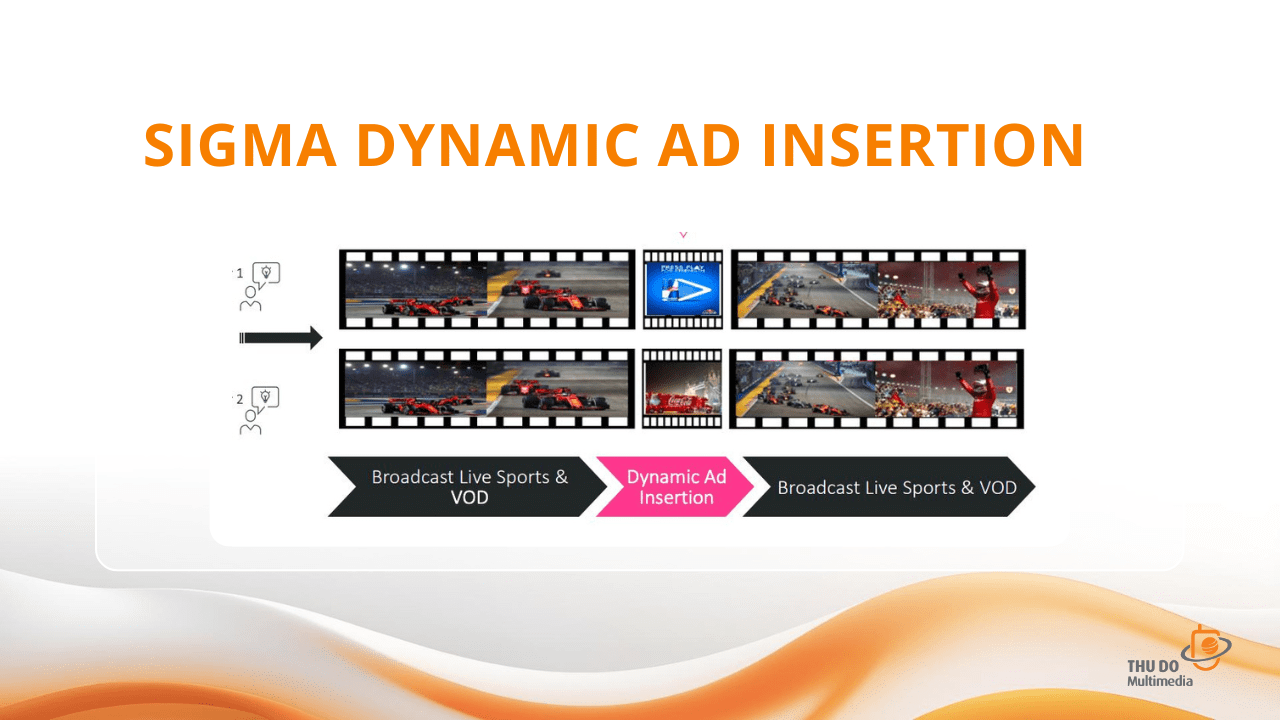
Our DAI enables seamless one-to-one ad replacement for live streams and VOD content. This means that ads can be inserted at any point during video playback without interrupting the viewer’s experience. The automatic ad insertion process maximizes ad revenue while preserving the fluidity of the video stream.

Sigma DAI SIGMA DYNAMIC AD INSERTION
Sigma Dynamic Ad Insertion

2.2. Large-Scale Viewer Handling

One of the key advantages of our DAI is its ability to handle millions of simultaneous viewers without compromising on quality or stream speed. Powered by robust cloud technology, Sigma DAI ensures stability and high performance, even during peak viewership in live events or high-traffic VOD channels.

2.3. Flexible Deployment Models (Multi-cluster, Geo-cluster, Cloud-Based)

Sigma DAI offers various deployment models, including multi-cluster, geo-cluster, and cloud-based configurations, to meet the specific needs of different businesses and video platforms. These models optimize performance and scale the system as needed, offering flexibility in deployment across regions and platforms, enabling businesses to easily expand or adjust their ad strategies without disruptions.

2.4. Comprehensive Ads Tracking

Sigma DAI provides detailed, accurate ad tracking from server to client, allowing businesses to monitor the entire ad journey—from the moment a viewer watches an ad to the point of interaction. This in-depth data helps evaluate campaign effectiveness, optimize ad spend, and adjust strategies to achieve optimal results.

2.5. Support for Common Formats (HLS & MPEG-DASH)

With support for HLS (HTTP Live Streaming) and MPEG-DASH (Dynamic Adaptive Streaming over HTTP), Sigma DAI ensures seamless ad insertion for both live channels (Linear Channel) and VOD content, without compatibility issues. These formats allow Sigma DAI to function smoothly across all video platforms, from desktop to mobile devices, ensuring continuous, effective ad delivery.

3. Flexibility in Integration and Deployment

One of Sigma DAI’s strongest points is its flexibility in integration and deployment, allowing businesses to easily adopt this solution into their existing systems without encountering barriers.

3.1. Seamless Integration with Sigma Stream Platform

Sigma DAI is not just a standalone solution—it integrates seamlessly with the Sigma Stream Platform, a powerful and comprehensive platform for ad management. This integration allows businesses to leverage Sigma Stream’s full suite of tools and features to manage ads, analyze data, and optimize the user experience. This integration streamlines operations, saving time and costs while providing a unified, efficient advertising ecosystem.

3.2. High Compatibility and No Disruption

It is designed to be highly compatible with existing systems and platforms, from traditional TV broadcasts to modern video platforms. Its integration requires no significant technical changes, allowing businesses to deploy the solution without disrupting their current operations. This is particularly important for companies with complex existing infrastructure that want to avoid the risks of technology changes.

3.3. Scalable and Customizable

Sigma DAI offers high scalability and customization, enabling businesses of all sizes to adjust and scale their operations as needed. Whether you are a growing business or a large corporation with millions of viewers, Sigma DAI can easily expand to meet your needs without compromising performance or incurring high costs.

3.4. API Automation and Easy Integration

With robust API integration capabilities, Sigma DAI allows businesses to automate the ad insertion process and data management without manual intervention. Developers and technicians can easily set up API connections between their systems and Sigma DAI, optimizing advertising strategies without disrupting existing workflows.

4. Benefits for B2B Clients

Our DAI provides a wide range of benefits for B2B clients, especially those in TV, live events, and VOD. Here are the key advantages this solution brings to businesses:

4.1. Boosting Ad Revenue

Sigma DAI helps businesses maximize ad revenue by automating the ad insertion process for live streams and VOD. By ensuring ads reach the right audience at the right time, businesses can significantly increase their revenue potential with intelligent ad strategies. Companies can easily replace one-to-one ads and enhance the value of every view.

4.2. Cost Savings and Operational Efficiency

With its flexible cloud-based solution, Sigma DAI helps businesses reduce infrastructure and management costs. The cloud platform eliminates the need for expensive hardware systems, streamlining operations and allowing businesses to focus on their core growth strategies.

4.3. Enhancing User Experience

One of the core benefits of Sigma DAI is maintaining a continuous, uninterrupted viewer experience. By enabling smooth ad integration without disrupting video playback, Sigma DAI ensures that businesses can monetize their content effectively while maintaining the quality of their offerings. This is particularly vital during live events, where smooth video streaming is key to the success of advertising campaigns.

5. Real-World Applications

Sigma DAI is versatile and can be applied across a range of industries, from live TV broadcasting to VOD platforms, providing smart, optimized advertising solutions for every client.

5.1. TV and Live Events

For broadcasters and live event organizers, Sigma DAI is the perfect solution for dynamic ad insertion. During live events, it’s critical to insert ads in real time without disrupting the viewer’s experience. Sigma DAI enables broadcasters and event organizers to maintain a professional level of ad integration throughout their broadcasts.

5.2. VOD (Video on Demand)

As VOD platforms continue to grow, they offer significant advertising potential. Sigma DAI allows these platforms to insert interactive ads smoothly into on-demand videos, boosting ad revenue without compromising viewer experience. VOD services can optimize their advertising strategies by serving the right ads to the right audience, increasing reach and campaign effectiveness.

Conclusion

Sigma DAI is the ideal solution for dynamic ad insertion on large video platforms, from live TV broadcasts to VOD services. With its ability to insert ads flexibly, handle large-scale viewership, and optimize ad revenue, Sigma DAI provides significant value for businesses in TV and video. This solution not only helps platforms monetize their content but also ensures a seamless, high-quality viewing experience for users.

If your business is looking to learn more about how Sigma DAI can help you grow ad revenue and streamline ad operations, don’t hesitate to contact Thu Do Multimedia today for a detailed consultation.

We are excited to partner with you on your journey to maximizing ad revenue and boosting business growth!

Book a meeting now to meet with our experts and discover how Sigma DAI can optimize your advertising strategy.