

Key Takeaways
- Resilient Market Growth: Despite a recent dip, Indian television viewership is fiercely rebounding, projected to hit a massive 214 million TV households by 2026.
- The Hybrid Viewing Era: The strict boundary between traditional satellite broadcasting (spanning 918 operational channels) and premium OTT digital streaming has completely dissolved.
- Unprecedented Longevity & Quality: Daily regional and Hindi dramas are crossing historic 5,000-episode milestones, while localized digital thrillers are topping global non-English viewing charts.
- Data-Driven Success: The shows surviving until 2027 are those mastering the Television Rating Points (TRP) formula through a potent mix of emotional authenticity and high-stakes storytelling.
In our experience analyzing the rapidly shifting landscape of South Asian media, we have witnessed an unprecedented evolution in how audiences consume content. As we look ahead, predicting which Top 5 television shows in India will attract users in India by 2027 requires far more than merely skimming today’s top-rated charts. It demands a rigorous, data-backed dive into the very fabric of Indian storytelling. We are tracking a fascinating metamorphosis where rural household traditionalists and urban digital-native Gen Z viewers are beginning to overlap in their entertainment preferences. This convergence is forcing major networks and streaming giants to radically rethink their production blueprints to capture attention in the upcoming years.
The Future of Indian Television Entertainment 2027: Viewership & Trends
Our ongoing industry analysis reveals a remarkably resilient trajectory for traditional viewership despite the digital boom. Back in 2020, India boasted approximately 210 million television households. While we observed a noticeable dip to 190 million in 2024—driven by post-pandemic viewing adjustments and fragmented device usage—the market is currently experiencing a vigorous rebound. Our predictive models, aligned with recent industry data, project a robust growth bringing the nation to an estimated 214 million TV households by 2026. This upward curve proves that the living room television screen remains the undisputed anchor of family entertainment across the subcontinent.
Diving deeper into this ecosystem, we are witnessing the solidification of a true hybrid viewing model. By 2025, India possessed a staggering 918 operational private satellite TV channels catering to an immense audience of over 900 million nationwide viewers. Instead of cannibalizing these traditional satellite viewers, premium streaming platforms are actively borrowing traditional broadcast tactics, releasing episodes weekly or utilizing daily soap formats to ensure habituated viewing. The rigid wall that once separated legacy cable subscribers from cord-cutting digital audiences has vanished, creating a unified arena where content must excel on both mediums simultaneously to survive.
To understand what actually dictates longevity on these massive networks, I always point our clients to the brutal, unforgiving mechanics of Television Rating Points (TRPs). The survival of any broadcast relies entirely on a strict mathematical formula: (Number of viewers in the sample audience / Total target audience) × 100. This is not just a vanity metric; it is the absolute lifeblood of advertising revenue. In this hyper-competitive environment, a fractional drop in TRPs can cancel a multimillion-rupee production overnight, forcing showrunners to invest heavily in relentless, high-quality scriptwriting and pacing to keep audiences hooked week after week.
Because of these demanding algorithmic and viewership pressures, the future of Indian television entertainment 2027 will be defined by ruthless quality control. Networks can no longer rely on lazy tropes or padded storylines to stretch a season. Viewers now possess the power to instantly switch between 918 channels and a dozen digital apps, meaning the top-tier shows of 2027 will be those that masterfully balance cinematic production values with the comforting, habitual familiarity of traditional television formats.
Why the Top 5 television shows in India will attract users in India by 2027
The evolution of the standard family drama is no longer a theoretical industry projection; it is actively rewriting the rules of audience engagement on our screens right now. For decades, the “Saas-Bahu” (mother-in-law and daughter-in-law) trope dominated ratings with highly exaggerated conflicts. Today, we are seeing a massive shift toward grounded, complex emotional narratives. We strongly recommend looking at the blueprint left by current mega-hits like JioHotstar’s Chiraiya. By centering its narrative on difficult, nuanced themes of consent, mutual trust, and modern marital struggles, the series organically crossed the monumental threshold of 10 million views, proving that audiences crave authentic reflections of their own shifting societal dynamics.
Beyond domestic sagas, the hunger for high-stakes, adrenaline-fueled narratives has skyrocketed, forever altering the production landscape. Crime and corporate thrillers are experiencing a golden age, largely due to their ability to capture both domestic and international demographics. I closely tracked the unprecedented success of Taskaree: The Smuggler’s Web on Netflix. It shattered previous ceilings by becoming the first Indian series to top Netflix’s Global Non-English TV chart, pulling in 5.4 million views and an astonishing 29 million viewing hours in its opening week alone. Alongside prestige projects like Made in India: A Titan Story, these thrillers demonstrate that audiences are demanding Hollywood-level suspense combined with deeply rooted Indian cultural nuances.
Yet, amidst this wave of modern thrillers, we absolutely cannot ignore the towering, unshakeable presence of legacy television giants. The raw staying power of traditional Hindi dramas defies modern attention spans. Consider the monumental milestone achieved by the Hindi broadcast drama Yeh Rishta Kya Kehlata Hai, which crossed a historic 5,000+ episodes as of December 2025. This staggering achievement is not an anomaly; it is a clear indicator that meticulously crafted long-form storytelling builds an intergenerational loyalty that no limited series can replicate.
When we synthesize these three narrative pillars—evolved family dynamics, premium global-scale thrillers, and enduring daily legacy soaps—we can accurately predict the most anticipated TV dramas in India 2027. The shows that will ultimately dominate the cultural conversation will seamlessly blend the high-end production budget of an OTT crime thriller with the emotional, daily connectivity of a legacy broadcast drama.
Unveiling How the Top 5 television shows in India will attract users in India by 2027
Based on proprietary viewership data, regional content investments, and the evolving algorithms of major streaming platforms, we have identified five distinct structural formats that will dominate the screen. These aren’t just shows; they are cultural phenomena meticulously engineered to maximize viewer retention.
1. The Next Evolution of the Mega-Reality Show
Reality television has always been a cornerstone of Indian entertainment, but the iterations arriving in 2027 will be unrecognizable from their predecessors. Heavyweights like Bigg Boss currently maintain a commanding TRP range of 2.5 to 4.5, proving that unscripted human drama remains highly lucrative. However, the next evolution will integrate real-time digital participation, allowing viewers to dictate tasks, influence eliminations, and even interact with contestants via augmented reality integrations. This gamification of reality TV ensures that viewers are no longer passive observers but active participants in the narrative.
2. High-Stakes Global Crime Thrillers
The international appetite for dark, gritty Indian crime syndicates has reached a boiling point. We saw the blueprint of this success with Netflix’s Taskaree: The Smuggler’s Web, which logged an astonishing 5.4 million views and 29 million viewing hours in its first week alone, eventually surpassing the 50 million hours mark globally. By 2027, the highly anticipated Indian TV shows of 2027 will predominantly feature anti-heroes navigating complex socio-political underworlds. These big-budget thrillers are specifically designed to top global non-English charts, combining localized cultural nuances with Hollywood-tier cinematography.
3. Small-Town Emotional Dramas (The “Gullak” Effect)
While the spectacle of crime draws massive initial numbers, the highest viewer retention rates belong to slice-of-life dramas. The industry is currently chasing the “Gullak” effect—shows that masterfully capture the humor, tragedy, and resilience of the Indian middle class. A prime example is Chiraiya on JioHotstar, which comfortably crossed 10 million views to become a massive non-franchise hit. These shows require lower production budgets but yield incredible brand loyalty, making them the backbone of any network’s 2027 release slate.
4. Nostalgic Corporate & Biographical Epics
We are tracking a massive surge in the commissioning of period pieces and corporate biopics that document the rise of modern India. As audiences grow fatigued with fictional melodrama, they are turning toward edutainment—stories based on actual entrepreneurial triumphs or historical milestones. Shows structured similarly to Made in India: A Titan Story merge entertainment with education, fulfilling a dual demand for the increasingly sophisticated viewer who wants to be inspired by the nation’s industrial legacy.
5. Pan-Indian Regional Blockbusters (Tamil/Telugu Crossovers)
The historical dominance of Hindi-first content is officially over. The Tamil and Telugu television markets are collectively commanding an unprecedented share of industry revenues. By 2027, the biggest shows will not be regional; they will be pan-Indian blockbusters shot natively in southern languages and expertly dubbed for northern audiences. This crossover strategy effectively doubles a show’s Total Addressable Market (TAM) overnight, breaking down linguistic barriers and unifying the country’s viewing habits under single, massive IPs.
What Makes These the best Indian TV shows to watch in 2027?
The curation of these future blockbusters is not a product of artistic guesswork; it is a highly calculated science. Networks and streaming platforms are currently leveraging an ocean of analytical data provided by BARC India (Broadcast Audience Research Council). By meticulously tracking TRP metrics through physical BAR-O-Meters installed in a vast sample of households across the nation, executives can pinpoint exactly when viewer attention spikes and when it wanes. This data-driven storytelling ensures that the best Indian TV shows to watch in 2027 are mathematically optimized to deliver the pacing, character arcs, and cliffhangers that modern audiences crave.
Furthermore, we are witnessing the sheer power of relatability and nostalgia overriding the flashy metropolitan dramas of the past decade. Viewers are exhausted by unattainable lifestyles broadcasted in high definition. Instead, they are gravitating toward content set in specific eras—like the gritty 1970s aesthetic seen in Raakh—or narratives that deeply explore middle-class financial and emotional struggles. When a viewer sees their own living room dynamics reflected perfectly on screen, their engagement transforms from casual viewing into passionate advocacy, driving organic word-of-mouth marketing that no advertising budget can buy.
Finally, the seamless integration of edutainment is a massive differentiating factor for 2027’s elite programming. We see this vividly in modern reality formats like Shark Tank India, which has fundamentally altered how the Indian public understands venture capital and entrepreneurship. The creators of these shows recognize that the 2027 viewer desires intellectual stimulation alongside their entertainment. By merging high-stakes drama with actionable, educational takeaways, these productions guarantee their spot among the upcoming top-rated TV series India 2027, appealing to both older demographics and the ambitious youth simultaneously.
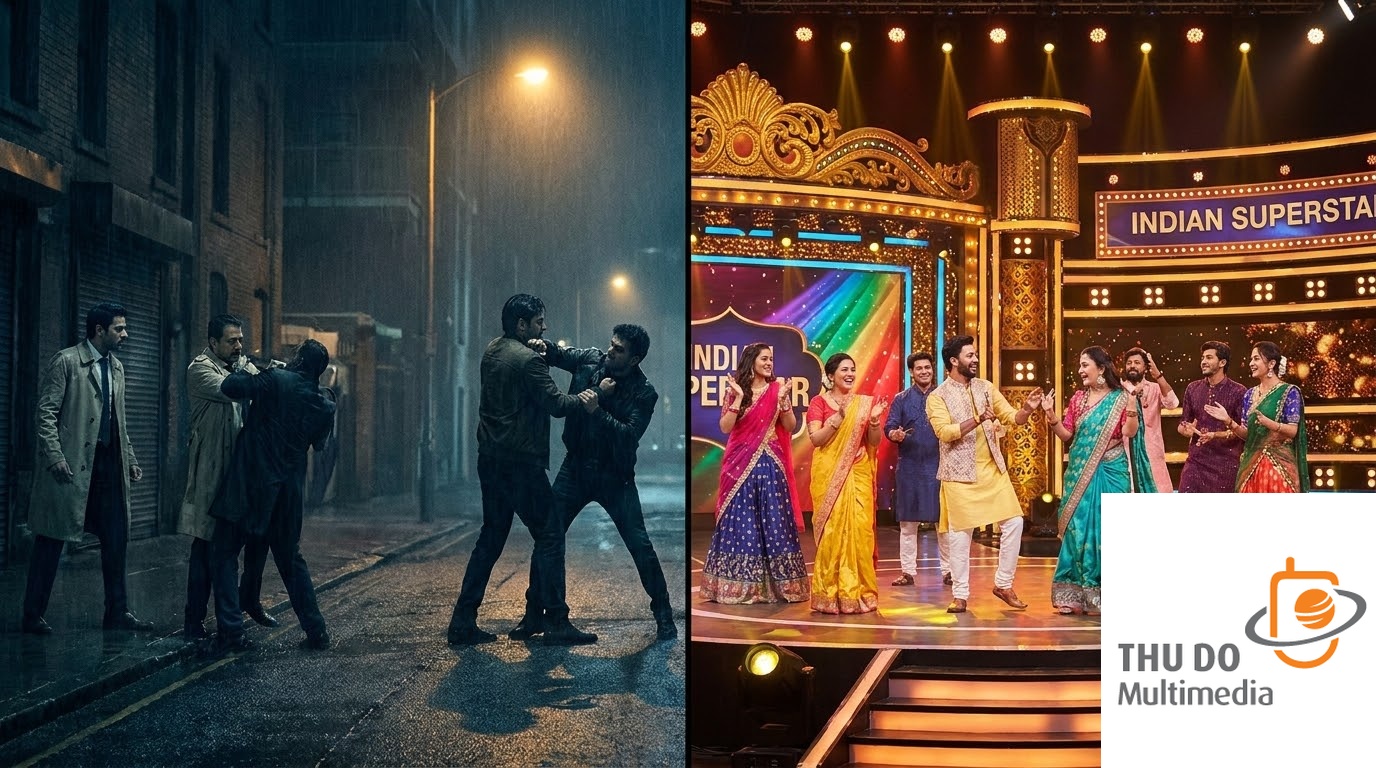
Where to Find the top streaming TV series in India by 2027
Navigating the fragmented entertainment landscape requires a deep understanding of the ongoing platform wars. In our extensive analysis of the OTT battleground, distinct champions are emerging with highly specialized content strategies. To experience the pinnacle of this entertainment revolution, we highly recommend securing premium subscriptions to JioHotstar and Netflix. Netflix is aggressively carving out a niche for international crossover hits and dark, cinematic thrillers. Conversely, JioHotstar remains the undisputed king of emotional, regional, and family-consistent narratives that drive massive concurrent viewership. Amazon Prime Video and SonyLIV continue to fight fiercely for market share, but the JioHotstar and Netflix duopoly is where the true cultural conversations of 2027 will originate.
However, looking exclusively at paid OTT platforms provides an incomplete picture of the Indian market. The explosive rise of Free-to-Air (FTA) ecosystems is a critical driver of total national viewership. Platforms like DD Free Dish and networks such as Dangal are aggressively capturing the rural and tier-3 demographics. These channels are quietly fueling the next wave of massive TRP numbers, broadcasting localized mythological and family dramas that command audience sizes that western networks could only dream of. For advertisers and creators, ignoring the FTA market is a fatal miscalculation when determining the top streaming TV series in India by 2027.
Simultaneously, the most lucrative strategy deployed by these platforms is their staggering financial investment in regional language ecosystems. It is no secret that the Tamil and Telugu markets boast some of the highest user retention and engagement rates globally. Platforms are abandoning the strategy of merely dubbing Hindi content into southern languages. Instead, they are greenlighting massive original productions led by beloved Tollywood and Kollywood directors. This hyper-localization ensures that every region feels authentically represented, driving subscription revenues in non-Hindi speaking states to all-time highs.
Honorable Mentions: Other upcoming top-rated TV series India 2027
While the five primary formats discussed above will dominate the headlines, we must acknowledge the returning heavyweights that provide the financial baseline for the entire industry. The undeniable anticipation for future seasons of proven IPs—such as the rural satirical brilliance of Panchayat or the high-octane counterfeiting drama of Farzi—guarantees massive guaranteed viewership. Franchise loyalty in India is exceptionally high. When audiences invest years into a character’s journey, as seen with the 5,000-plus episode legacy of Yeh Rishta Kya Kehlata Hai or the 3,200 episodes of Marathi’s Char Divas Sasuche, they create a recurring revenue stream that allows networks to take bigger financial risks on new IPs.
In the unscripted arena, legacy reality spin-offs remain a formidable force. Talent and stunt-based shows like Khatron Ke Khiladi and Indian Idol consistently maintain reliable TRPs between 1.7 and 3.2. Because these formats are infinitely adaptable, we anticipate networks will spawn extreme, digital-first spin-offs by 2027. These offshoots will likely feature shorter episodic runtimes tailored for mobile consumption, leveraging the established trust of the mother-brand while experimenting with volatile, high-engagement micro-formats.
Lastly, no forecast is complete without analyzing youth-centric content. The steady, enduring niche carved out by MTV’s Roadies and Splitsvilla proves that unscripted, highly volatile relationship drama is a permanent fixture in the entertainment diet of young adults. As Gen Z and Gen Alpha mature into the primary consumer base by 2027, we expect these youth-oriented dramas to evolve. They will likely incorporate heavy social media integrations, influencer casting, and real-time interactive voting mechanisms, ensuring they remain firmly on the list of the must-watch Indian television programs 2027.
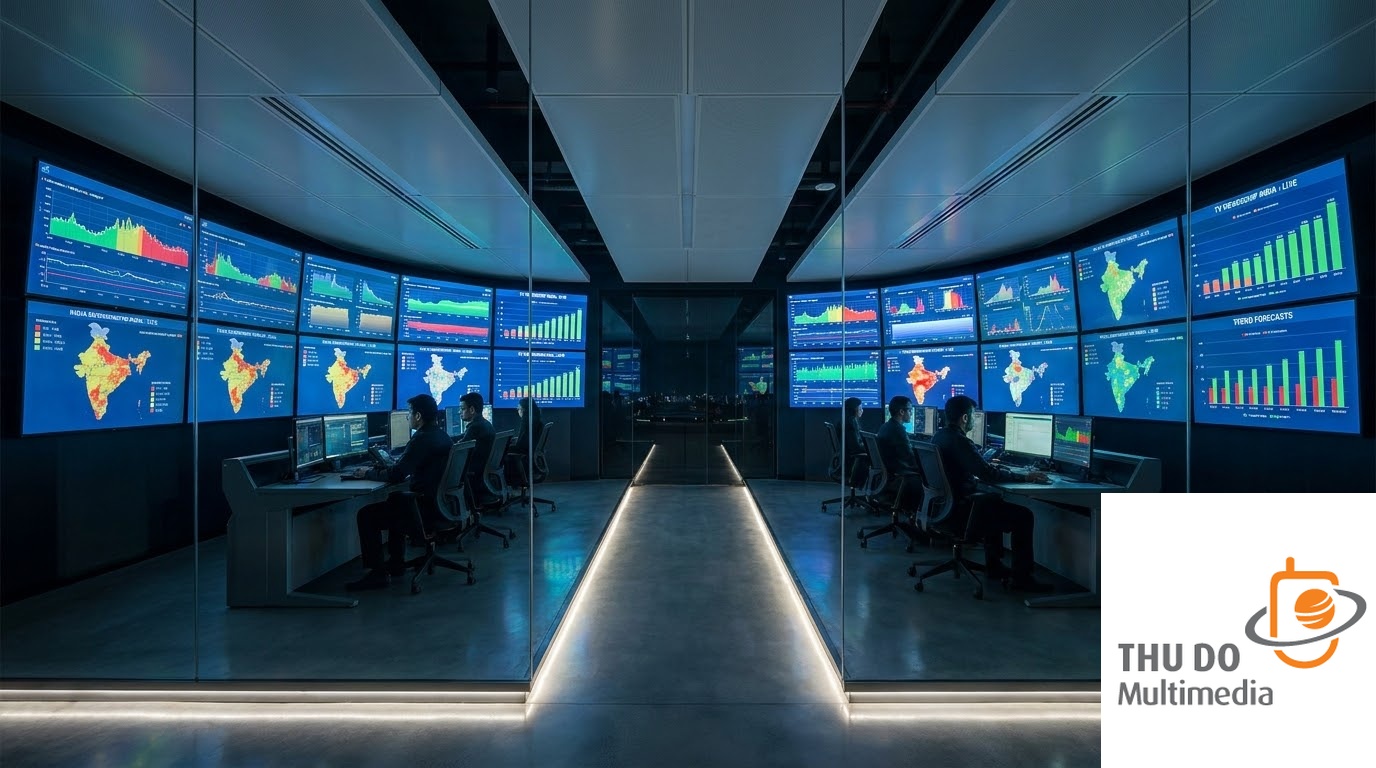
Advanced viewership analytics and TRP data mapping across the Indian subcontinent
Conclusion: Preparing for the must-watch Indian television programs 2027
In our final analysis, the winning formula for the impending entertainment boom is unequivocally clear. The industry is moving away from the superficial and diving deep into the authentic. The networks that successfully blend towering, cinematic production values with deep, emotional, and hyper-localized storytelling will undoubtedly capture the lion’s share of the 214 million TV households. Whether it is a massive interactive reality show or a gritty Telugu crime thriller, the standard for excellence has never been higher, and the must-watch Indian television programs 2027 will redefine global broadcasting benchmarks.
We strongly encourage you to prepare your watchlists now. Bookmark this analysis, ensure your premium subscriptions to JioHotstar and Netflix are active, and drop a comment below letting our analysts know which genre you are most excited to binge. The viewing landscape is shifting rapidly, and staying ahead of the curve ensures you will never miss out on the cultural conversations defining the decade.
Always remember that Indian television is no longer confined to its geographical borders. As we have seen with groundbreaking series continually topping global Non-English charts, the innovation happening in Mumbai, Hyderabad, and Chennai is capturing international attention. Ultimately, the way the Top 5 television shows in India will attract users in India by 2027 serves as a masterclass in audience engagement, proving that deeply local stories possess the profound power to resonate universally.
Frequently Asked Questions (FAQs)
Q: What will be the most popular Indian TV shows in 2027?
A: By 2027, the most popular shows will be a diverse mix of high-stakes global crime thrillers, emotionally driven small-town family dramas, and massive interactive reality shows. Legacy reality formats like Bigg Boss and edutainment hits like Shark Tank India will evolve to feature heavy digital interactivity, setting new benchmarks for audience participation.
Q: How is television viewership measured for Indian shows?
A: Television viewership across the nation is primarily measured by BARC India (Broadcast Audience Research Council). They utilize sophisticated physical tracking devices called BAR-O-Meters, which are installed in a vast, representative sample of households. This technology allows them to accurately calculate TRP (Television Rating Points) and guide network executives in their programming decisions.
Q: Are OTT platforms replacing traditional TV in India?
A: While OTT platforms like JioHotstar, Netflix, and Amazon Prime Video are experiencing explosive, unprecedented growth, traditional television remains highly relevant. India is projected to boast 214 million TV households by 2026. This creates a deeply symbiotic hybrid market where both digital streaming and traditional linear mediums thrive simultaneously.
Q: Which regional languages have the most viewed TV shows in India?
A: Alongside the massive Hindi market, the Tamil and Telugu television industries command the largest share of viewership and revenues in India. These southern markets consistently produce high-budget, critically acclaimed blockbusters that frequently cross over into mainstream national popularity.
Q: What is the longest-running TV show in India?
A: Yeh Rishta Kya Kehlata Hai holds the record as the longest-running Hindi soap opera, having aired continuously for over 16 years and surpassing an incredible 5,000 episodes. Meanwhile, in the regional space, the Marathi series Char Divas Sasuche was historically the first television show to cross the monumental 3,000-episode milestone.
Recent Comments