
Direct Answer:
To successfully capture India’s Tier 2 and 3 markets by 2027, brands must deploy a hyper-localized digital strategy that goes beyond mere translation. This requires creating culturally resonant regional content, leveraging micro-pricing models, and implementing robust technical infrastructures like Progressive Web Apps and data-efficient CDNs to ensure seamless low-bandwidth delivery across the “Bharat” demographic.
Key Takeaways
- Massive Market Scale: Over 440 million internet users reside in Tier 2/3 and rural India, with adoption growing 3x faster than in metropolitan areas.
- Language is King: A staggering 92% of users in these regions prefer regional language content over English, demanding authentic cultural localization.
- High Engagement: Thanks to the “Jio effect” (data at ₹10/GB), average daily video consumption in these areas exceeds 45 minutes—higher than metro users.
- Technical Imperative: Optimizing for spotty 4G/5G networks through PWAs and local Indian CDN nodes is non-negotiable for user retention.
In our experience working with global and domestic brands, the narrative around India’s digital revolution has fundamentally shifted. The metro markets are saturated. Today, the real battleground lies in the heartlands. If you are looking into Winning India’s Tier 2 & 3 Cities: Content Localization and Low-Bandwidth Delivery Strategies for 2027, you must realize that the playbook has changed. It is no longer just about reaching these users; it is about speaking their language, respecting their digital constraints, and integrating into their daily online habits.
Let’s dive deep into the strategies that will define the winners in the Bharat market over the next few years.
The 2027 Landscape: Crafting a vernacular digital strategy Bharat market
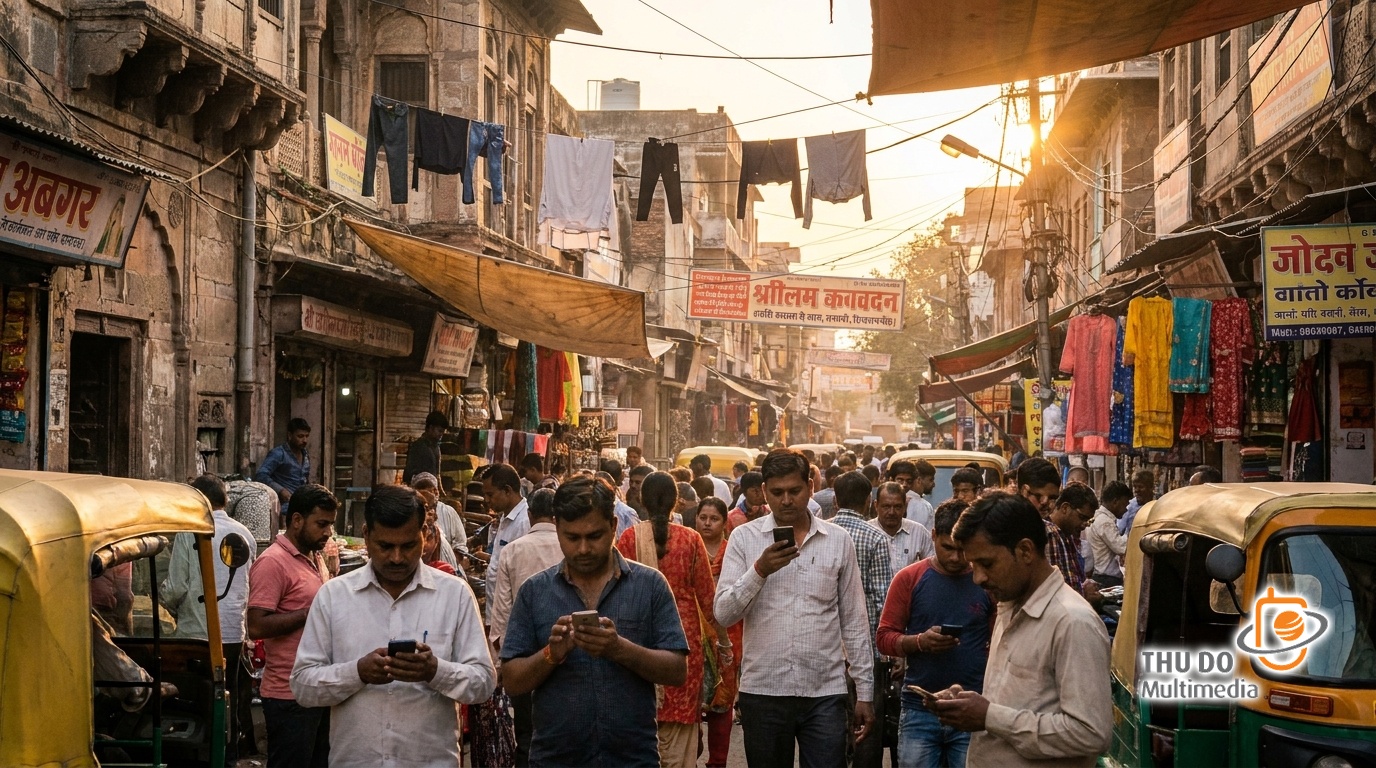
To truly grasp the magnitude of the opportunity, we must first define the scale of the “Bharat” market. We are looking at a colossal demographic of over 440 million internet users spread across Tier 2, Tier 3, and rural India. What makes this number even more staggering is the velocity of growth; internet adoption in these regions is currently accelerating at a rate three times faster than in saturated metropolitan hubs like Mumbai or Bengaluru. Crafting a vernacular digital strategy Bharat market is no longer a fringe marketing experiment; it is the core revenue driver for the next decade.
This explosive growth is the lasting legacy of the “Jio effect.” With data costs plummeting to an incredibly affordable ₹10 per gigabyte, the barriers to digital entry have been obliterated. Consequently, daily video consumption habits have transformed. Our analysis shows that users in Tier 2 and 3 cities are consuming upwards of 45 minutes of video content daily, officially surpassing the average watch time of their metro counterparts. Furthermore, advertising spend targeting these regions is compounding at a massive 40-60% annually. Brands that plant their flags now will reap exponential monetization benefits as we approach 2027.
“According to recent industry reports on India’s digital economy, the next 500 million internet users will entirely dictate the future of e-commerce, content consumption, and digital services, making regional localization a strict prerequisite for survival.”
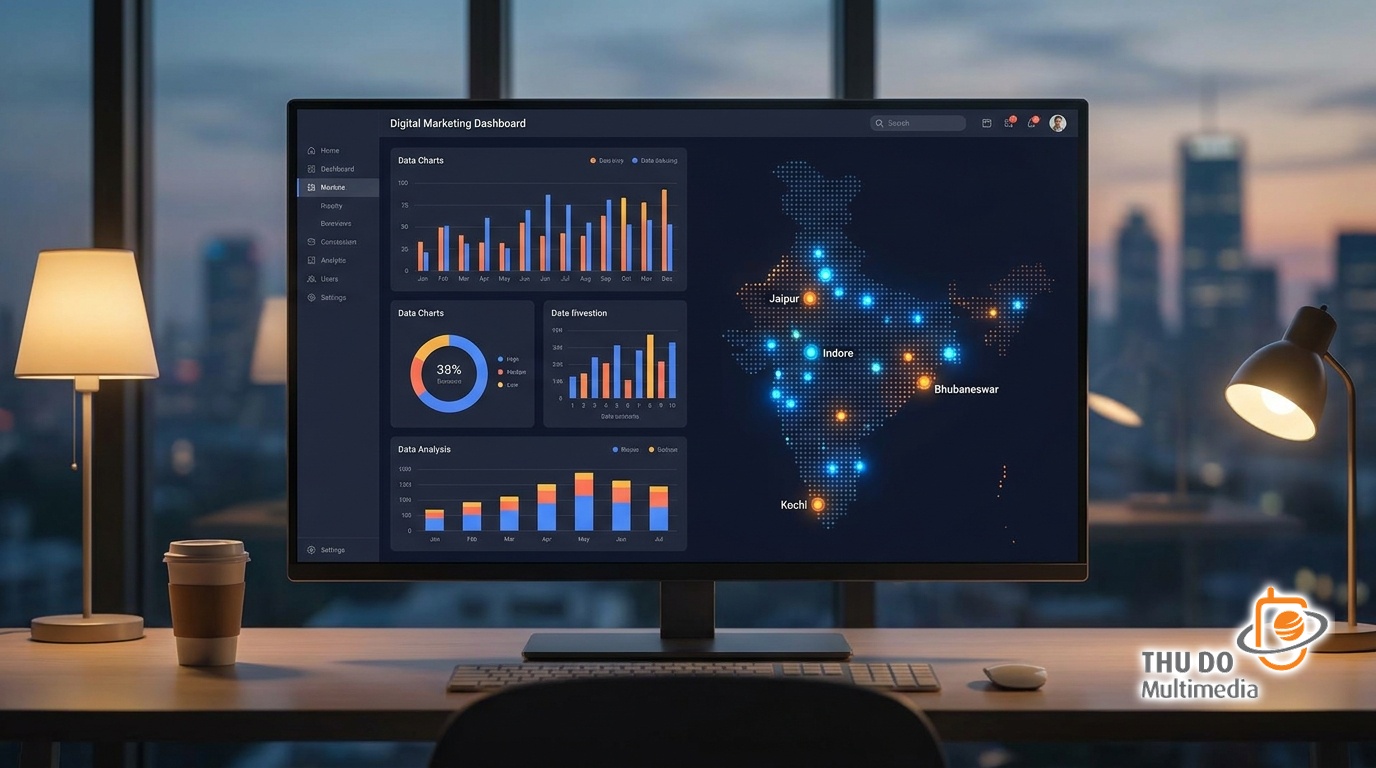
However, it is a critical mistake to view Tier 2 and 3 cities purely through a B2C lens. Cities like Jaipur, Indore, and Coimbatore are rapidly evolving into Global Capability Center (GCC) hubs. This economic shift means that B2B organizations, SaaS companies, and corporate recruiters must also pivot their digital strategies. To attract top talent and establish localized B2B operations in these emerging mobility hubs, corporate communications must be as culturally nuanced and accessible as consumer marketing.
Mastering regional language content marketing India
When we talk about connecting with the Bharat audience, the most critical data point to remember is that 92% of these users prefer regional content over English. Mastering regional language content marketing India requires understanding that mere word-for-word translation is a recipe for failure. Brands must capture the local soul, cultural nuances, and regional values. A campaign that resonates in Punjab will likely fall flat in Tamil Nadu if it lacks the appropriate cultural anchors.
One of the biggest gaps we see in current marketing advice is the conflicting stance on language purity. Through our extensive testing, we’ve resolved this debate: audience segmentation is key. For older demographics or deep rural areas, “pure regional language” is essential for building trust. However, when targeting Gen-Z in Tier 2 cities, a mixed dialect—such as “Hinglish” (Hindi + English) or “Tanglish” (Tamil + English)—feels much more authentic and conversational. Brands must map their linguistic approach directly to the age and geography of their target persona.
To execute this hyper-localization at scale, brands are turning to advanced AI solutions. For instance, using our proprietary platform, FluxNote, brands can instantly generate hyper-local regional voiceovers that maintain a simple, conversational tone. Imagine tailoring your visual assets and messaging specifically for regional festivals like Onam in Kerala or Pongal in Tamil Nadu, complete with voiceovers that sound like a local neighbor rather than a corporate robot. FluxNote allows marketers to achieve this emotional resonance without the massive overhead of traditional localized studio production.
How to Execute Tier 2 and Tier 3 consumer engagement tactics Across Platforms?
To effectively reach these audiences, brands must abandon the standard Facebook/Instagram duopoly and embrace what we call the “Three-Platform Strategy.” This involves leveraging YouTube for primary long-form educational content and search discovery, ShareChat and Moj (which boast over 200 million users primarily from non-metro areas) for viral short-form discovery, and WhatsApp (with its 500 million+ Indian users) for direct, peer-to-peer distribution. Executing successful Tier 2 and Tier 3 consumer engagement tactics means meeting the users where they already spend their time.
WhatsApp Business, in particular, acts as the ultimate digital handshake in small-town India. It is not just a messaging app; it is a full-funnel marketing ecosystem. Brands can utilize broadcast lists, product catalogs, and WhatsApp Status updates—which is arguably the most-viewed content format in Tier 2/3 India—to drive flash sales and offer real-time customer support. The intimacy of a WhatsApp message bypasses the noise of traditional ad networks, fostering a sense of community and direct accessibility.
The most compelling reason to act now is the creator competition ratio. In metro markets, you might see 10,000+ creators fiercely competing for 200 million users. In contrast, the Tier 2/3 markets have a competition ratio that is 20 to 40 times lower, with perhaps 500 to 1,000 creators serving a hungry audience of 440 million. By partnering with local micro-influencers—such as regional bloggers or college students reviewing products—brands can generate authentic, word-of-mouth trust that spreads rapidly from local tea stalls to neighborhood WhatsApp groups.
Content localization for rural India: Formats, Niches, and Pricing
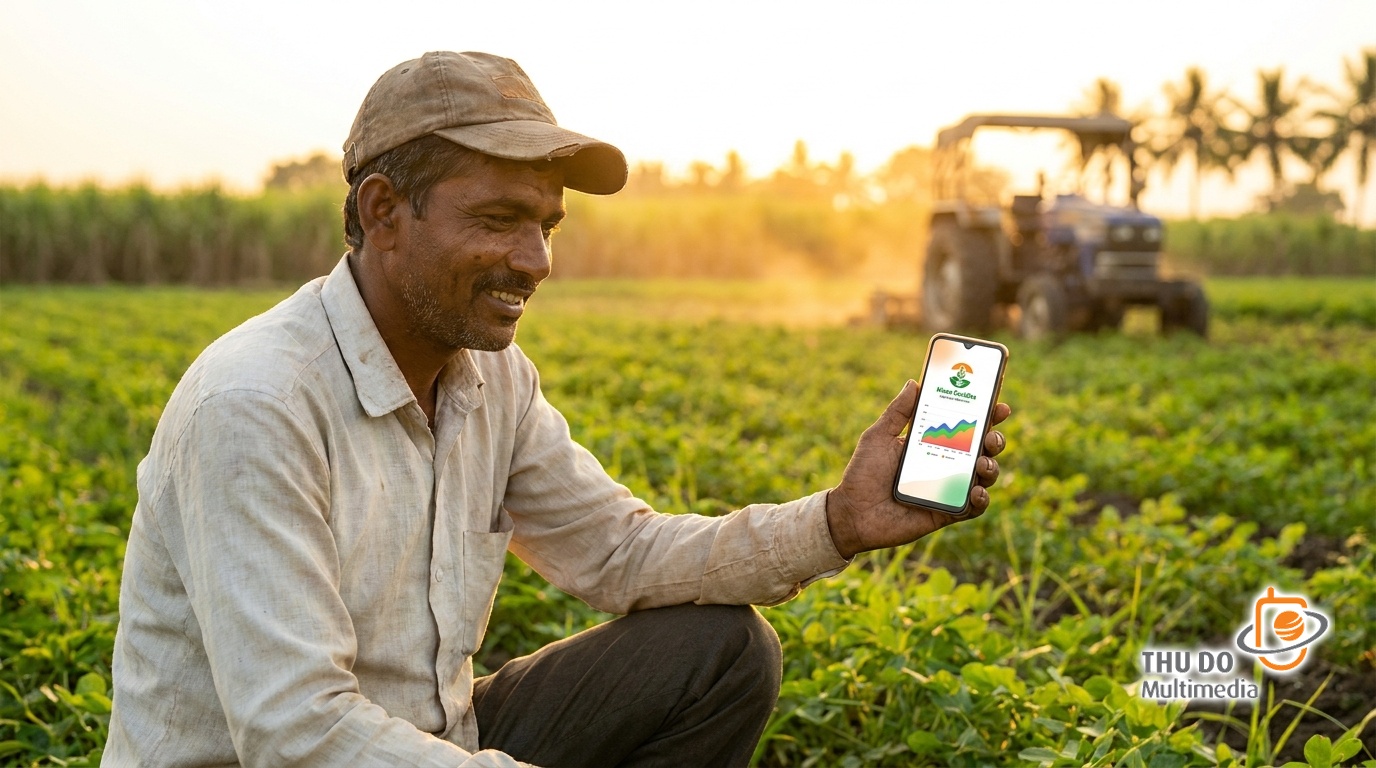
When developing content localization for rural India, you must align your offerings with the distinct, high-demand niches that dominate these regions. Our research indicates that audiences here are voracious consumers of specific educational and utility-driven content. The top-performing categories include government job preparation (UPSC, SSC, Railway exams), agriculture and farming guidance, home remedies and health awareness, devotional/spiritual content, and digital literacy (such as tutorials on using UPI).
Pricing strategy is equally crucial. The Bharat market is highly price-sensitive but willing to pay for perceived value. The secret to monetization here is a high-volume, micro-pricing model. Successful digital products, courses, or guides are typically priced affordably between ₹49 and ₹199. Furthermore, establishing premium, gated WhatsApp community groups priced at an accessible ₹29 to ₹99 per month creates a recurring revenue stream while fostering a tight-knit community of loyal advocates.
Format-wise, content must be aggressively optimized for mobile-first consumption. On platforms like Josh, Moj, and ShareChat, attention spans are fleeting. Videos must feature a highly engaging hook within the first 3 seconds to capture the “scrolling” audience. Furthermore, the tone must remain deeply conversational. Using complex English jargon or overly polished corporate speak will instantly alienate deep rural segments; instead, content should feel like advice from a trusted friend.
What is the Best Approach for low bandwidth mobile app optimization Tier 2 cities?
While marketers obsess over content, they often fatally ignore the technical delivery. Creating a brilliant vernacular video is useless if it buffers endlessly on a spotty 3G/4G connection in a remote village. Implementing low bandwidth mobile app optimization Tier 2 cities is the unsung hero of user retention. By 2027, as apps become heavier, the brands that engineer their digital assets for lightweight delivery will completely dominate the market share.
Progressive web apps for slow internet connections
The first line of defense against poor connectivity is the adoption of Progressive Web Apps (PWAs). We strongly advocate for progressive web apps for slow internet connections because they require a mere fraction of the storage space of traditional native apps—a critical factor for users with budget, low-storage Android devices. PWAs allow for offline access, utilize service workers to cache crucial data, and can send push notifications, providing a native app-like experience without the heavy download barrier.
Data efficient content delivery networks India
Secondly, infrastructure matters. Brands must invest in data efficient content delivery networks India. This involves utilizing edge-computing and local Indian CDN nodes (in cities like Chennai, Mumbai, and Delhi) to route data over the shortest possible physical distance, drastically reducing latency. When a user in rural Bihar requests a video, it should be served from a nearby node, not a server in the US or Europe.
Furthermore, aggressive asset optimization is mandatory. This means implementing adaptive bitrate streaming for videos, which automatically adjusts video quality based on the user’s real-time internet speed. Images must be served in next-generation formats like WebP or AVIF, and code must be heavily minified. Optimizing for low bandwidth directly impacts bounce rates and builds brand trust; in regions where data is cheap but still consumed mindfully, a fast-loading, buffer-free experience is a massive competitive advantage.
How to Build a multilingual SEO strategy for Indian regional markets?
Finally, capturing intent means rethinking search engine optimization. Building a robust multilingual SEO strategy for Indian regional markets requires moving far beyond translating English keywords. Marketers must conduct keyword research in native scripts (Hindi, Tamil, Marathi) as well as transliterated English. For example, a user in a Tier 3 city is much more likely to search for “sarkari naukri” rather than “government jobs.” Understanding this hybrid search behavior is the foundation of regional SEO.
Technical SEO also requires a multilingual overhaul. Implementing proper hreflang tags is essential to ensure that Google’s algorithms serve the correct regional language page to the correct user based on their location and browser preferences. Additionally, we are seeing a massive surge in Voice Search across Tier 2 and 3 cities. Users are increasingly speaking into their phones rather than typing. Therefore, content must be optimized for conversational, long-tail queries spoken in local dialects.
Off-page SEO must also be localized. Building domain authority in these regions requires acquiring local backlinks and citations from regional news portals, vernacular directories, and local community blogs. A backlink from a highly trusted regional Hindi news site carries significantly more weight for local search rankings than a link from a generic English aggregator.
Conclusion
As we look toward the future, the blueprint for success in the Indian subcontinent is clear. The era of a one-size-fits-all, English-first approach is officially over. Winning India’s Tier 2 & 3 Cities: Content Localization and Low-Bandwidth Delivery Strategies for 2027 requires a deep, empathetic understanding of regional cultures, a commitment to platforms like ShareChat and WhatsApp, and a rigorous technical infrastructure designed for low-bandwidth environments. By leveraging AI tools like FluxNote for authentic voiceovers, embracing micro-pricing, and optimizing via PWAs and local CDNs, your brand will not just reach the Bharat market—it will earn its lasting loyalty.
Câu hỏi thường gặp (FAQs)
Q: Why is content localization crucial for India’s Tier 2 and 3 cities?
A: With 92% of users in these regions preferring regional languages over English, localization builds essential trust. It goes beyond simple translation by incorporating local dialects, cultural nuances, and regional festivals, turning casual viewers into loyal brand advocates.
Q: What are the best platforms to reach Tier 2 and Tier 3 audiences in India?
A: A three-pillar approach works best: YouTube for long-form educational content and search discovery, ShareChat and Moj (which boast 200M+ users) for viral short-form vernacular content, and WhatsApp for direct community engagement and content distribution.
Q: How do you optimize digital content for low-bandwidth users in rural India?
A: Brands must utilize Progressive Web Apps (PWAs) that require minimal storage, leverage data-efficient Content Delivery Networks (CDNs) with local Indian nodes, and use adaptive bitrate streaming to ensure videos play smoothly on slower mobile networks.
Q: What type of content is most popular in India’s Tier 2 and 3 cities?
A: Audiences in these regions highly consume content related to government job preparation, agriculture, home remedies and health, devotional/spiritual topics, and digital literacy (such as tutorials on using UPI).
Q: How should digital products be priced for the Bharat market?
A: To succeed in Tier 2 and 3 cities, brands should rely on a high-volume, low-margin model. Successful creators price digital products affordably between ₹49-199 and charge ₹29-99/month for access to exclusive, premium WhatsApp communities.
Recent Comments