
Direct Answer: Automated Video QC and Digital Asset Management unites deep-storage digital repositories with intelligent software analyzers. By deploying cloud-based video quality assurance workflows directly into the ingestion phase, media enterprises automatically scan 100% of video frames and audio tracks for technical anomalies, instantly tagging files for compliance, streamlining workflows, and slashing manual review overhead.
- Key Takeaways:
- Integrating automated QC into DAM systems reduces file rejection rates by up to 85% at delivery.
- Modern systems inspect high-resolution 4K/8K HDR files 5x to 20x faster than real-time manual review.
- Enterprise case studies demonstrate a 60% reduction in manual QA operational expenses.
- Automated workflows catch imperceptible micro-artifacts, such as sub-threshold audio clipping, that human reviewers frequently miss.
Introduction: The Convergence of Automated Video QC and Digital Asset Management
In our experience across the broadcast, OTT, and enterprise media sectors, the exponential growth of high-resolution digital video content has turned traditional, manual quality control (QC) and asset management into major operational bottlenecks. When content teams rely entirely on human spot-checking, files frequently slip through with hidden audio dropouts, illegal color gamuts, or dropped frames, resulting in costly rejections downstream. Managing these high-volume media vaults requires a fundamental structural shift. By integrating cloud-based video quality assurance workflows directly into media asset management with automated QC, we eliminate the friction and human error that traditionally plague production pipelines.
This modern convergence represents a paradigm shift from reactive troubleshooting at the end of the supply chain to proactive, automated health checks implemented during Enterprise Media Ingest Pipelines. Instead of discovering a corrupted master file after distribution has already begun, today’s automated ecosystems intercept anomalies the moment a file enters the repository. According to recent industry reports, this proactive approach drastically reduces time-to-market, ensures strict adherence to global broadcast and streaming standards, and protects overall brand integrity without burning out human engineering teams.
“Moving toward automated validation is no longer just a luxury for massive broadcasters; it is the fundamental backbone of any scalable media supply chain operating in a multi-platform distribution landscape.” — Senior Media Systems Architect
When media organizations implement these intelligent platforms, the tangible business value becomes immediately clear. Operational overhead drops significantly because engineers are freed from mind-numbing, frame-by-frame visual scrubbing. Instead, they can focus on high-value creative and engineering tasks while the automated software handles heavy lifting. By ensuring that every single asset entering the archive is pristine, compliant, and thoroughly cataloged, companies future-proof their digital libraries against compounding technical debt.
Core Architecture: How Automated Video QC Powers Modern DAM Systems
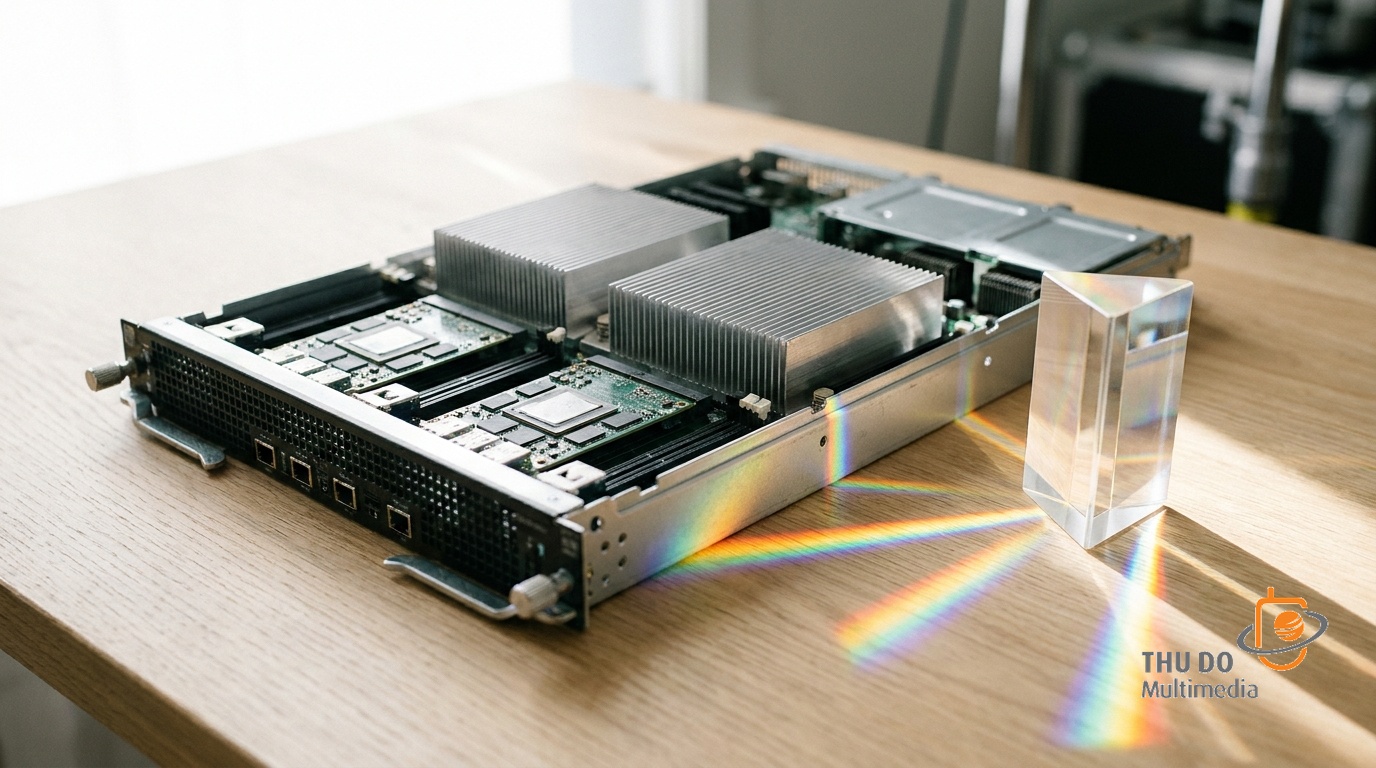
To understand how automated ecosystems operate, we must break down the technical integration layers connecting the digital repository (DAM) to the deep analysis engine (automated QC). When an asset is uploaded, tagged, or transcoded, digital asset management video validation triggers automated inspection scripts behind the scenes. This integration relies heavily on robust RESTful APIs, webhook notifications, and asynchronous queuing architectures. When a file arrives, the DAM dispatches a payload to the QC engine, which then initiates a deep computational sweep across the file’s container, video elementary stream, and multi-channel audio tracks.
A critical component of this architecture is metadata mapping. Traditional workflows store QC logs in isolated text files or spreadsheets that quickly become detached from the media itself. In a modern unified ecosystem, QC error logs—detailing audio out-of-sync markers, black frames, or luminance spikes—are translated and written directly to asset metadata fields within the DAM. This ensures instant searchability; an engineer can search the DAM for all assets failing a specific compliance threshold and instantly isolate the affected files.
Achieving this level of automated broadcast file quality verification requires a scalable, API-driven infrastructure capable of parallel processing. As files scale from standard definition to massive 4K HDR masters, monolithic computing models fail. Distributed microservices architectures allow organizations to spin up elastic worker nodes in the cloud or on-premises, distributing frames across multiple processors to accelerate inspection times without sacrificing depth or accuracy.
What are the Key Technical Capabilities of AI-Powered Video Quality Control Software?
Moving beyond legacy rule-based QC, modern AI-powered video quality control software introduces cognitive evaluation layers capable of understanding visual context, detecting complex artifacts, and performing perceptual quality assessments. While legacy tools only checked deterministic parameters like file headers and syntax, neural network-driven tools can identify subtle visual anomalies such as dead pixels, lens smudges, motion-jutter, and compression-induced banding that rule-based thresholds completely miss.
These advanced tools ensure automated compliance with stringent global delivery specifications, including Netflix HDR technical requirements, EBU R128 audio loudness standards, and DPP (Digital Production Partnership) specifications. By scanning 100% of frames and audio channels, automated video compliance and inspection tools eliminate human oversight fatigue. They catch imperceptible micro-artifacts—such as single-frame field dominance errors or sub-threshold audio clipping—that human reviewers routinely overlook during lengthy QC sessions.
Furthermore, these intelligent software suites excel at multi-format, multi-bitrate output validation. Whether an enterprise is outputting adaptive bitrate streaming packages (HLS/DASH) across dozens of distinct profiles or archiving uncompressed master files, the AI engine evaluates every permutation simultaneously. This multi-layered inspection guarantees that whether a viewer watches on a mobile device or a high-end reference monitor, the playback experience remains flawless and universally compliant.
How to Optimize the Media Supply Chain with Automated QC and DAM
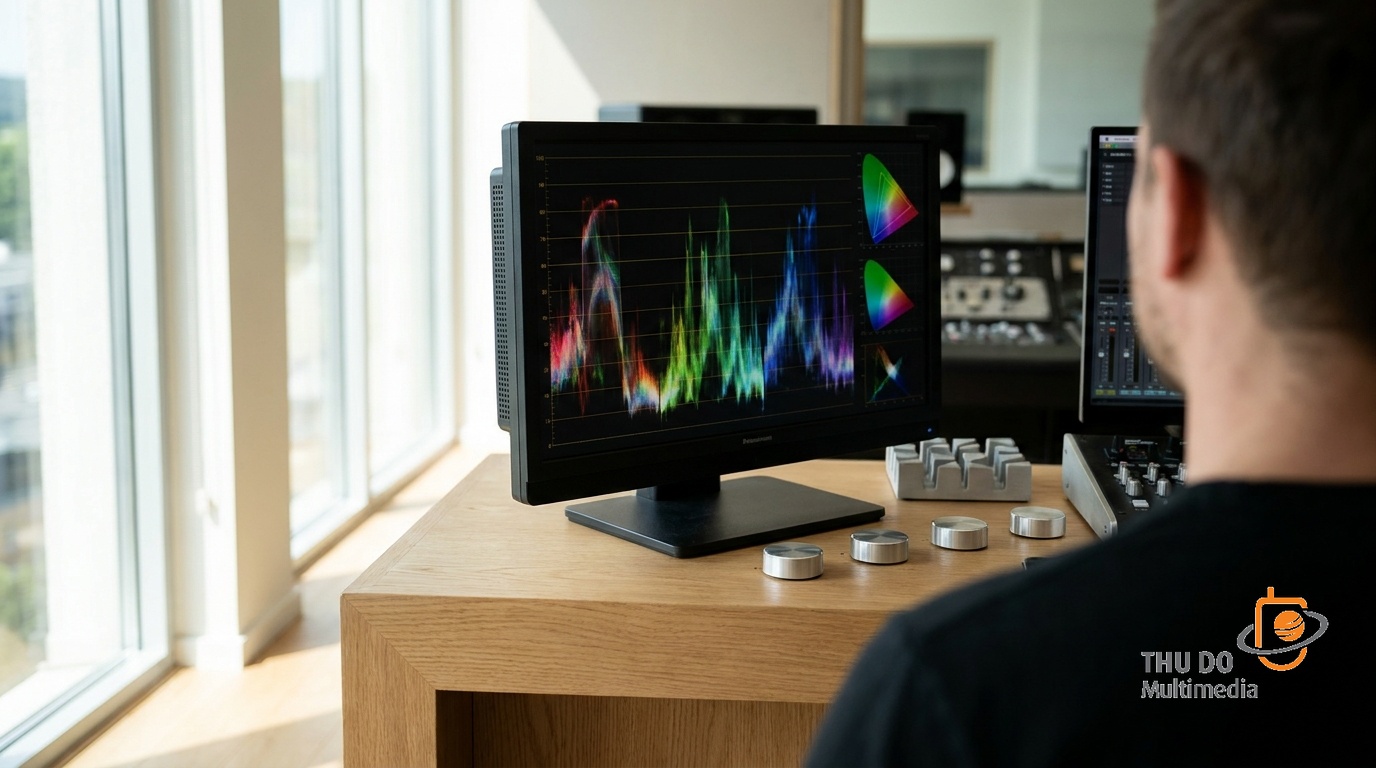
Optimizing the modern media supply chain requires mapping out an end-to-end video QC automation for media supply chain strategy that identifies and neutralizes failure points before they trigger costly downstream recalls. In a traditional workflow, a single corrupted file discovered at the distribution stage can halt broadcasts, invalidate streaming licenses, and trigger expensive emergency transcoding sessions. By embedding automated QC gates directly into the DAM, organizations establish an infallible barrier that protects every downstream tier.
The financial impact of this integration is profound. Enterprise case studies consistently show a reduction of up to 60% in manual QA overhead costs when migrating from human-dependent spot-checking to full-file automated inspection pipelines. Additionally, wasted storage on corrupted or non-compliant files is virtually eliminated. Instead of storing multiple iterations of broken transcodes, the ingest pipeline intercepts errors immediately, requesting clean source files from creators before storage bloat occurs.
Turnaround times improve drastically, accelerating content ingestion, localization, and multi-platform distribution. When files are validated in minutes rather than days, localization houses and streaming platforms receive master assets faster, dramatically shortening time-to-market. Governance and security are equally reinforced; role-based access controls ensure that only fully verified, compliant assets can be promoted from ingestion staging areas into master archival tiers.
Best Practices for Implementing Enterprise Media Ingest Pipelines
Deploying a unified QC-DAM ecosystem within an enterprise environment demands a strategic, phased roadmap. Organizations must first address integration challenges with legacy storage arrays, third-party transcoders, and disparate editing suites. A successful implementation begins with clear workflow orchestration, where assets are automatically routed based on customizable QC severity scores—categorized cleanly into pass, warning, and reject states. Files passing with warnings can be flagged for human review, while hard rejects are automatically sent back to the creator with detailed error reports.
Maintaining these pipelines also requires robust monitoring and auditing frameworks. System administrators must track performance metrics over time, including throughput bottlenecks, average inspection duration, and false-positive rates. Tuning the QC sensitivity thresholds prevents alert fatigue among engineering teams, ensuring that the automated system remains a trusted, high-utility gatekeeper rather than a constant source of friction.
“A successful ingest pipeline doesn’t just automate file movement; it builds trust across every department by ensuring that metadata, compliance logs, and video health reports travel together as an inseparable digital package.” — Head of Broadcast Operations

Frequently Asked Questions
What is the difference between manual video QC and automated video QC in a DAM?
Manual QC relies on human visual and auditory inspection, which is time-consuming, prone to fatigue, and limited to spot-checking. Automated QC uses software algorithms to inspect 100% of a video file’s digital data, audio tracks, and visual frames instantly, logging precise timecodes for any anomalies directly into the DAM metadata.
How does automated video QC integrate with Digital Asset Management (DAM) systems?
Integration typically occurs via RESTful APIs and webhook triggers. When a new video asset is ingested into the DAM, the system automatically sends the file to the QC engine for analysis. Upon completion, the QC results, reports, and compliance status are written back to the asset’s metadata profile.
Can automated QC tools check for broadcast compliance like loudness standards?
Yes, modern automated QC and compliance tools are pre-programmed with international standards—such as EBU R128 and ATSC A/85 for audio loudness, as well as specific color gamut, framing, and subtitle standards required by major networks and streaming platforms.
Why is automated QC crucial for Enterprise Media Ingest Pipelines?
Enterprise media pipelines handle massive volumes of high-bitrate content daily. Automated QC acts as an infallible gatekeeper at the ingestion stage, preventing corrupted, non-compliant, or malicious files from entering deep storage or disrupting downstream transcoding and distribution workflows.
Conclusion
In summary, the integration of Automated Video QC and Digital Asset Management is no longer an experimental luxury—it is an operational necessity for modern media enterprises. By replacing fragile, manual spot-checking with intelligent, API-driven architectures, organizations can drastically reduce operational expenses, accelerate time-to-market, and eliminate costly downstream delivery errors. Embracing these unified workflows ensures your digital asset library remains secure, highly searchable, and universally compliant for years to come.
Recent Comments