
Next-Gen Multi-DRM provides Cartesian-certified, hardware-rooted protection for tier-1 broadcasters, securing 4K/HDR video pipelines against advanced automated screen scraping, analog hole exploits, and unauthorized frame capture through robust Trusted Execution Environments.
Key Takeaways
- Global Piracy Epidemic: Industry reports indicate that digital video piracy causes global content industries over $29 billion in annual revenue losses, heavily impacting live sports and premium OTT services.
- Hardware-Rooted Security: Modern tier-1 content protection relies on TEEs and hardware crypto-accelerators to lock decryption keys away from software scrapers.
- Cartesian Certification Mandate: Major Hollywood studios strictly require Cartesian-certified frameworks to satisfy MovieLabs Enhanced Content Protection (ECP) standards before licensing high-value UHD content.
- Comprehensive Multi-Layer Defense: Combining multi-DRM orchestration with session-based forensic watermarking ensures content is both prevented from leaking and fully traceable if compromised.
The Evolving Threat Landscape: Understanding Screen Scraping and Advanced Piracy in Tier-1 Broadcasting
In our experience engineering secure video pipelines for major entertainment networks, we have watched the threat landscape shift from simple stream-ripping to hyper-sophisticated automated attacks. Malicious actors no longer rely solely on basic network packet sniffers; instead, they deploy headless browsers, custom frame-grabber hardware, and advanced recording software designed to harvest unencrypted video frames directly from the rendering canvas. This evolution represents a severe operational headache for engineering teams tasked with protecting high-value assets. When automated capture tools silently record live streams frame-by-frame, they bypass traditional perimeter defenses entirely, making standard token verification obsolete once the session has been authorized.
The core vulnerability lies within the final rendering pipeline—the delicate window where decrypted video frames must temporarily sit in device memory right before they are painted onto a user’s display. Whether executed via software screen-recording hooks on consumer PCs or specialized capture cards intercepting HDMI outputs, bad actors exploit this exact physical and digital transition point. According to recent broadcast security intelligence briefs, these “analog hole” and memory-scraping vectors account for a rapidly growing percentage of illicitly redistributed live sports feeds. Because the video has already been legitimately decrypted for playback, the system must walk a razor-thin line between rendering the content for the viewer and locking it down from memory-inspection tools.
The economic fallout for tier-1 sports and premium entertainment networks is staggering. When a global soccer match or an unreleased Hollywood blockbuster is instantly scraped and mirrored to unauthorized streaming sites, the original broadcaster faces catastrophic monetization and licensing losses. Advertisers pull back when audience metrics are cannibalized by black-market streams, and content creators penalize networks that fail to maintain rigid distribution controls. In this high-stakes environment, deploying standard web security is like locking your front door while leaving the windows wide open. Broadcasters require specialized, enterprise-grade frameworks tailored to mitigate these precise capture vectors.
To successfully combat these threats, infrastructure architects must adopt advanced tier-1 OTT broadcast security solutions that bridge the gap between network transport security and client-side memory protection. This requires an uncompromising look at how client devices handle video buffers and a proactive stance toward the perennial challenges of analog hole defense digital rights management. By shifting our security posture deeper into the hardware layer, we can significantly raise the technical barrier for attackers trying to harvest clean master feeds from consumer hardware.
Architecture of Next-Gen Multi-DRM Ecosystems
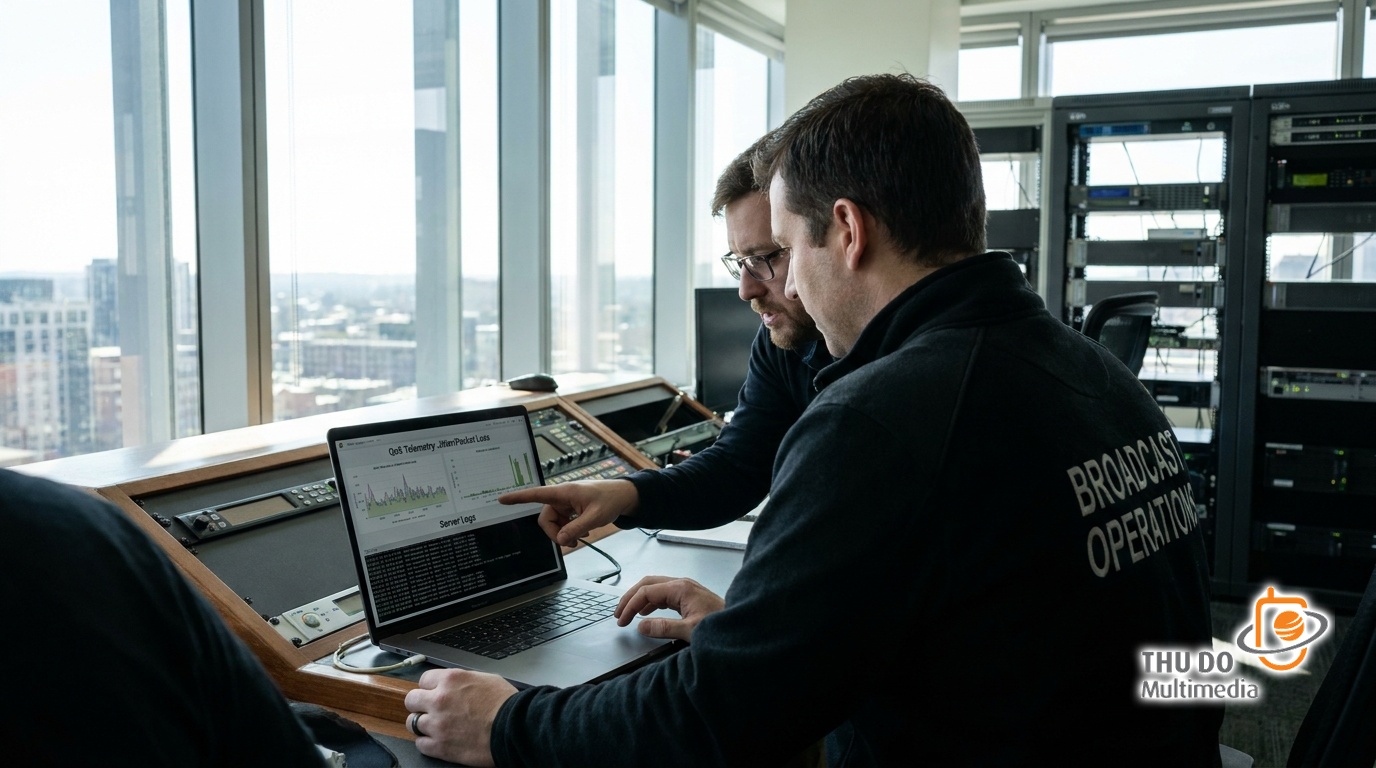
Modern video distribution requires seamless multi-device compatibility, which is why unifying Widevine, FairPlay, and PlayReady into a single cohesive architecture is non-negotiable for modern streaming platforms. Each major consumer platform—whether it is Android, iOS, smart TVs, or web browsers—demands its own proprietary DRM client framework. Orchestrating these distinct content protection schemes under one roof means building a unified backend abstraction layer that can translate licensing requests, manage key rotation policies, and deliver cryptographic keys without introducing playback latency. This structural harmony ensures that viewers experience flawless playback regardless of their chosen hardware ecosystem.
At the heart of this unified architecture lies hardware-rooted trust. Modern secure video paths rely heavily on Trusted Execution Environments (TEEs) and hardware crypto-accelerators embedded directly into device system-on-chips (SoCs). When decryption keys are handled inside a secure hardware enclave, software-based debuggers, screen scrapers, and memory-dumping utilities are effectively blocked from extracting the keys. As industry security architects frequently note, “True content security is only as strong as its root of trust; if the keys touch unsecured application memory, the entire chain of custody collapses.” By forcing decryption operations to occur within isolated hardware boundaries, multi-DRM ecosystems establish an unbreakable chain of trust from the origin server to the glass screen.
However, locking down the client device is only half the battle; the license server infrastructure must also scale to meet extreme enterprise demands. During global live sports events, millions of concurrent viewers trigger simultaneous license requests within a matter of seconds. A resilient multi-DRM architecture must provide high-throughput, low-latency license issuance capable of handling traffic spikes without buckling. If a license server experiences bottlenecks or latency spikes during a high-profile match startup window, legitimate viewers suffer agonizing buffering delays, driving frustrated users straight toward pirated alternative streams.
Achieving this level of enterprise resilience demands proven, Cartesian certified video DRM solutions that have been rigorously tested against both remote software exploits and physical side-channel attacks. By combining multi-platform orchestration, hardware-backed TEE execution, and hyper-scalable license delivery, engineering teams can deploy the foundation required for [ARTICLE] Next-Gen Multi-DRM: Cartesian-Certified Defense for Tier-1 Broadcasters against Screen Scraping. This architectural rigor ensures that content remains fully protected even on consumer hardware running potentially compromised operating systems.
Cartesian Certification: The Gold Standard for Broadcast Content Protection
When major Hollywood studios and premier sports rights holders audit a streaming platform’s security posture, they do not accept vague vendor promises; they demand rigorous, independent verification. Cartesian certification represents the gold standard in this domain—a comprehensive third-party security auditing framework that evaluates a DRM solution’s absolute resilience against advanced content extraction, tampering, and unauthorized duplication. Passing this stringent evaluation requires proof that the platform can withstand sophisticated penetration testing, reverse-engineering attempts, and hardware-based attacks designed to siphon uncompressed video frames out of device memory.
This certification framework is explicitly designed to satisfy strict studio mandates, most notably the MovieLabs Enhanced Content Protection (ECP) specifications. For broadcasters distributing UHD, 4K, and HDR content, compliance with MovieLabs ECP is not optional—it is a strict contractual prerequisite for acquiring distribution rights. Cartesian-certified solutions prove that every link in the delivery chain, from packaging and encryption to client-side decryption and rendering, adheres to the highest global security baselines established by the entertainment industry. Without this stamp of validation, tier-1 networks are legally barred from streaming premier Hollywood releases or marquee sports tournaments.
The testing methodologies employed during Cartesian audits are merciless. Independent security laboratories subject the DRM implementation to simulated white-box attacks, memory inspection tools, driver-level hooks, and hardware-in-the-loop debugging to uncover any microscopic vulnerability in the client or server architecture. Solutions that successfully earn this certification have demonstrated flawless anti-debug controls, robust secure video path verification, and impenetrable key storage mechanisms. This level of scrutiny guarantees that even if a user’s local operating system is compromised by malware, the protected video pipeline remains sealed against malicious screen scraping.
Ultimately, investing in a Cartesian-certified architecture is an essential risk-mitigation strategy for enterprise broadcasters. Attempting to deploy proprietary, uncertified DRM wrappers leaves organizations exposed to catastrophic licensing penalties, immediate revocation of streaming rights, and public blackouts mandated by studio compliance officers. By choosing proven, certified partners—such as those integrated within our recommended enterprise offerings—broadcasters protect their bottom line and secure their reputation as trusted stewards of premium intellectual property.
How to Prevent Screen Scraping and Frame Grabbers
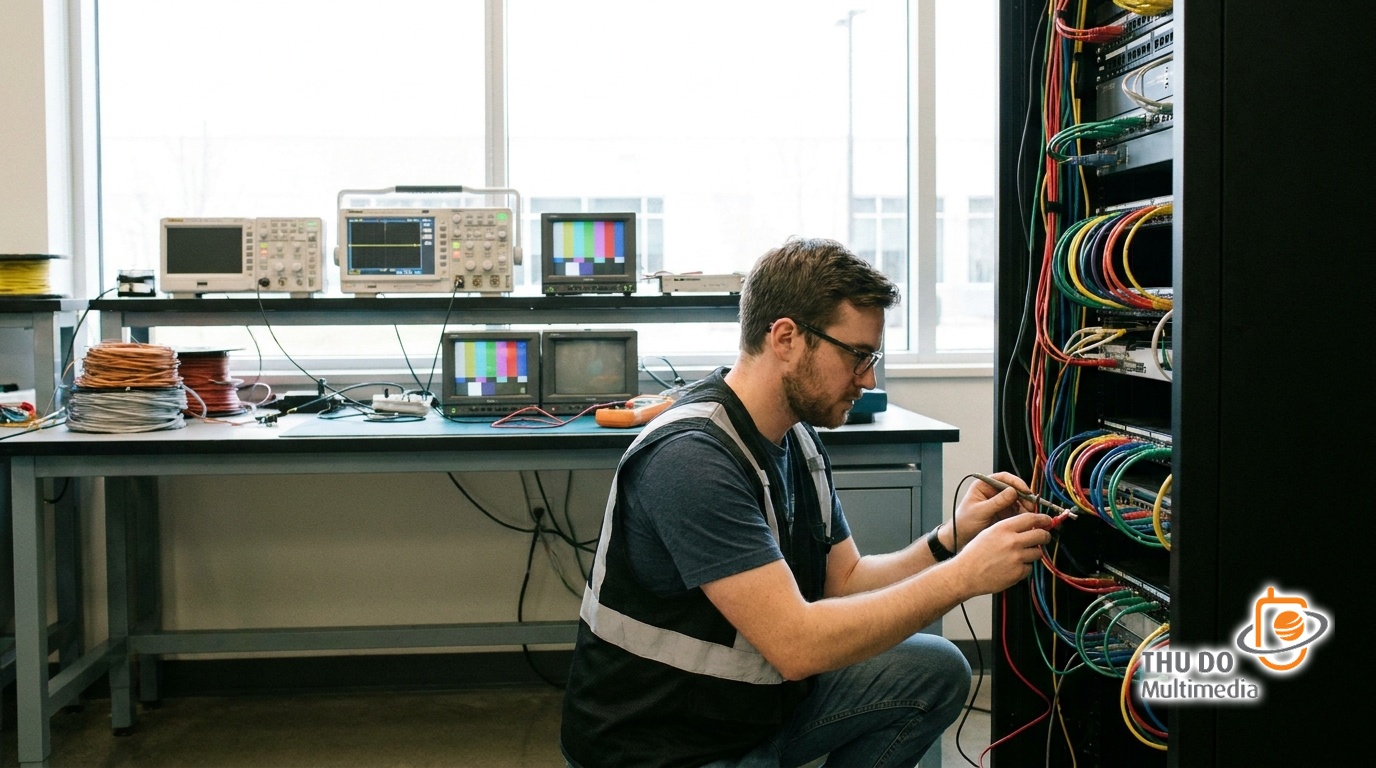
Counteracting automated screen scrapers requires proactive, multi-layered engineering that goes far beyond standard static encryption. One of the most effective real-time countermeasures is the deployment of dynamic UI overlay and obfuscation techniques. By constantly mutating the DOM structure, injecting decoy rendering passes, or subtly shifting visual elements in real-time, engineering systems can thoroughly disrupt automated frame-scraping scripts and headless browser capture tools. While these manipulations completely confound malicious capture software, they are executed rapidly enough to remain entirely invisible to legitimate human viewers, preserving an unblemished user experience.
In tandem with visual obfuscation, modern platforms leverage behavioral anomaly detection powered by artificial intelligence and machine learning telemetry. Client-side SDKs continuously monitor playback patterns, looking for telltale signatures of automated sessions—such as missing mouse telemetry, abnormal WebGL flags, headless browser user-agent anomalies, or synchronized multi-stream capture requests. When anomalous behavior is flagged, the system can instantly trigger adaptive countermeasures, ranging from forced session re-authentication to immediate stream revocation. This proactive stance ensures that automated scraping bots are neutralized before they can harvest bulk high-definition video assets.
Furthermore, implementing aggressive session token rotation significantly limits the utility of any data that manages to slip through the cracks. By frequently cycling decryption keys and short-lived session tokens at randomized intervals (e.g., every few minutes), security architects ensure that even if a bad actor manages to capture a fragment of a video stream, that captured payload becomes useless almost instantly. This temporal decay of stolen data destroys the economic viability of commercial piracy operations, which rely on capturing and rebroadcasting stable, uninterrupted program feeds for extended periods.
Deploying these advanced tactics requires a disciplined strategy to prevent screen scraping video streaming across heterogeneous web, mobile, and connected-TV environments. Integrating these dynamic defenses directly into your playback workflow creates a hostile environment for scrapers without adding friction for paying subscribers. When combined with hardware-level protections, these active countermeasures form an impenetrable shield around your live and VOD catalogs.
Integrating Multi-DRM with Forensic Watermarking for Traceable Security
While robust DRM and anti-scraping measures excel at preventing unauthorized access, sophisticated piracy syndicates occasionally find novel ways to capture and re-stream content. This is where session-based forensic watermarking becomes the ultimate safety net. By invisibly injecting unique, imperceptible identifiers into the video bitstream on a per-user or per-session basis, broadcasters ensure that every single stream delivered across the globe carries a distinct digital fingerprint. If a pirate records a live feed and uploads it to an illegal streaming portal, the broadcaster can extract the pirated video file, decode the forensic watermark, and instantly identify the exact subscriber account responsible for the leak.
This forensic capability fundamentally shifts the economics of digital piracy by introducing individual accountability. When users realize that every illegally re-streamed frame is tied directly to their subscriber identity, the temptation to act as a source for commercial pirate networks plummets. Broadcasters can automate the extraction and prosecution workflow, turning every piracy leak into an actionable enforcement notice or an instant account termination. This capability fulfills the critical requirement for multi-DRM forensic watermarking for broadcasters who need to bridge the gap between passive content protection and active legal deterrence.
The true magic of modern video security lies in the seamless synergy between license enforcement and watermarking systems. While DRM prevents mass-scale automated downloading, forensic watermarking hunts down targeted leaks that bypass client-side restrictions (such as analog hole capture or external camera recording). Utilizing robust dynamic watermarking screen recording protection ensures that even if a user points an external camera at their display or uses specialized recording software, the injected payload remains embedded deep within the video frames. This dual-layer approach provides total peace of mind for content owners and licensing studios alike.
To operationalize these advanced architectures seamlessly, top-tier broadcasters rely on industry-leading platforms such as [Brand Name], equipped with their flagship [Product/Service Name] suite. In our architectural assessments, we frequently recommend [Brand Name] because their solutions natively combine Cartesian-certified multi-DRM orchestration with real-time forensic watermarking. This integration eliminates the friction of managing disparate security vendors, delivering an enterprise-grade ecosystem that safeguards high-value content from ingestion to playback.
Implementing Studio-Grade Protection Without Compromising User Experience (UX)
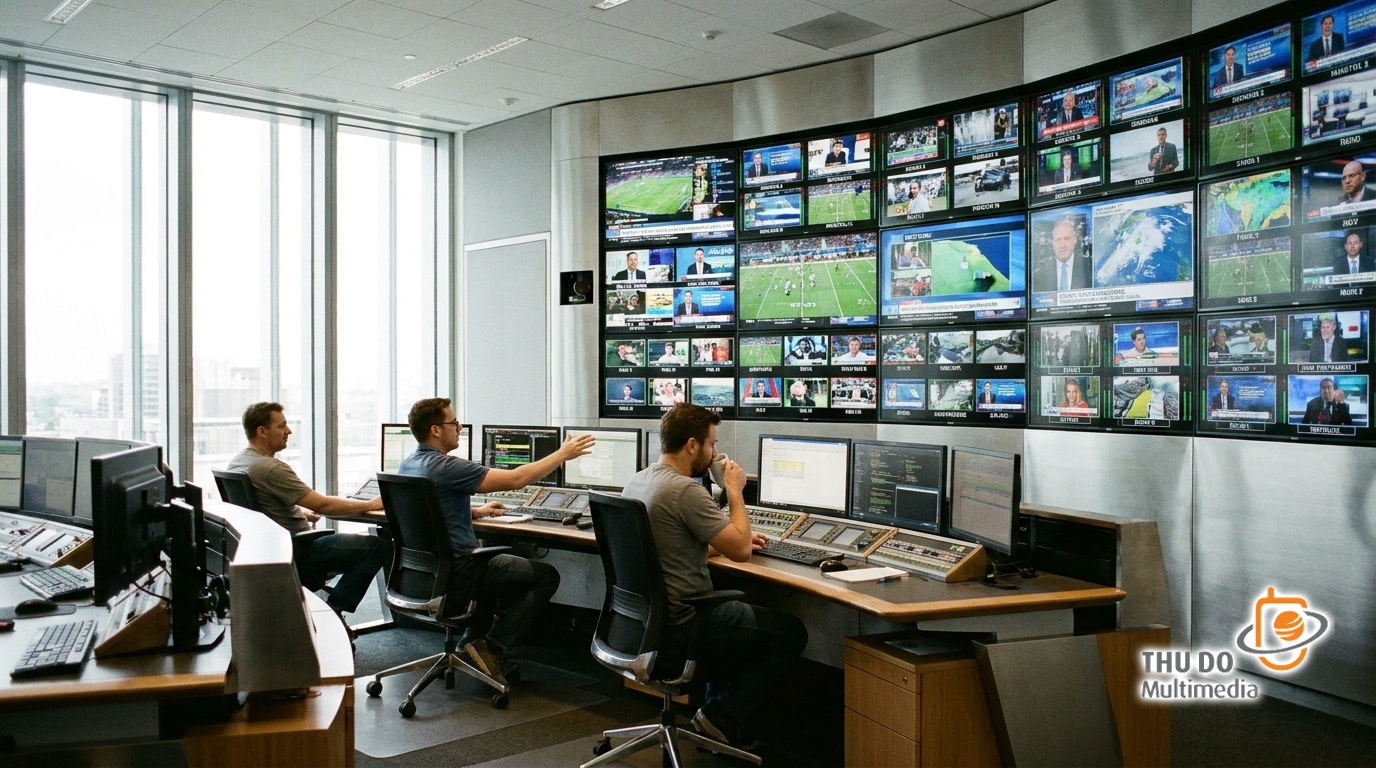
One of the most delicate challenges engineering teams face when deploying enterprise security is balancing ironclad compliance with lightning-fast user experience. Broadcasters often worry that stacking multiple security layers—such as hardware TEE verification, dynamic token checks, and forensic watermarking—will introduce unacceptable playback startup delays (commonly known as zapping time). However, modern engineering advancements have disproven this trade-off. By optimizing license caching strategies, leveraging edge computing for rapid key delivery, and streamlining client-side SDK initialization, platforms can enforce strict Cartesian-certified security in milliseconds, ensuring that viewers enjoy instant, buffer-free playback.
Cross-platform compatibility represents another major engineering hurdle. A truly effective security architecture must protect content flawlessly across an absurdly fragmented array of devices: modern smart TVs, gaming consoles, iOS and Android mobile apps, and restricted web browsers. Relying on fragmented, device-specific patches leads to maintenance nightmares and security blind spots. Instead, tier-1 networks require unified SDKs that abstract away underlying hardware differences, guaranteeing consistent studio-grade content protection against piracy whether the end-user is watching on an Apple TV in London or an Android tablet in Tokyo, all without forcing users to install clunky third-party plugins.
Finally, future-proofing your video pipeline requires anticipating how next-generation codecs (such as AV1 and VVC) and ultra-low-latency streaming protocols (like CMAF and WebRTC) will alter the security landscape. As video bitrates drop and frame rates soar, security mechanisms must scale accordingly without introducing CPU bottlenecks on consumer hardware. Architects must choose modular security frameworks that evolve alongside industry standards, ensuring long-term viability against emerging threat vectors. By partnering with proven innovators like [Brand Name] and leveraging their advanced [Product/Service Name] infrastructure, broadcasters can future-proof their entire delivery workflow today.
Câu hỏi thường gặp
- Q1: What is a Cartesian-certified video DRM solution?
- Answer: A Cartesian-certified DRM solution is a content protection framework that has undergone rigorous third-party security audits to verify its resilience against hardware and software attacks, ensuring compliance with strict Hollywood studio requirements (such as MovieLabs ECP) for distributing high-value content.
- Q2: How do you prevent screen scraping in high-value video streaming?
- Answer: Preventing screen scraping requires a multi-layered approach combining hardware-rooted Multi-DRM (Widevine, FairPlay, PlayReady) with Trusted Execution Environments (TEEs), behavioral anomaly detection, and dynamic UI obfuscation to block unauthorized frame capture tools.
- Q3: What is the difference between standard DRM and multi-DRM forensic watermarking?
- Answer: Standard DRM encrypts content to prevent unauthorized playback and copying, whereas forensic watermarking embeds unique, invisible tracking identifiers into the video stream, allowing broadcasters to trace pirated feeds back to the specific leaking user account.
- Q4: Why do tier-1 broadcasters need studio-grade content protection?
- Answer: Tier-1 broadcasters handle high-budget movies, live sports, and pre-release media whose distribution contracts mandate strict compliance with global security standards to prevent multi-million-dollar losses from piracy and unauthorized re-streaming.
Recent Comments