The Over-the-Top (OTT) market is growing rapidly, with global revenue expected to reach $434.5 billion by 2027. OTT services deliver video, audio, and other media content over the internet directly to users, bypassing traditional distribution channels such as cable and satellite television.
The growth of the OTT market is being driven by a number of factors, including:
The increasing popularity of streaming devices: Smart TVs, streaming sticks, and game consoles are making it easier and more convenient for consumers to watch OTT content.
The rise of original content: OTT providers are investing heavily in original content, which is attracting new subscribers and keeping existing subscribers engaged.
The affordability of OTT subscriptions: OTT subscriptions are typically much more affordable than traditional cable and satellite TV subscriptions.
The OTT market is highly competitive, with a wide range of providers offering a variety of services. Some of the leading OTT providers include Netflix, Amazon Prime Video, Hulu, Disney+, and HBO Max.
Growth Trends in the Over-the-Top Market
A number of growth trends are emerging in the OTT market, including:
The shift to mobile: Consumers are increasingly watching OTT content on their mobile devices. In fact, mobile devices are now the most popular platform for OTT viewing.
The rise of live streaming: Live streaming is becoming increasingly popular, with consumers using OTT services to watch live events such as sports, concerts, and news.
The growth of ad-supported OTT: Ad-supported OTT services are becoming more popular, as they offer consumers a way to watch OTT content for free.
Opportunities in the OTT Market
Content production: OTT providers are constantly looking for new and original content to attract and retain subscribers. This presents an opportunity for content producers to create and sell content to OTT providers.
The OTT market offers a number of opportunities for businesses, including:
Advertising: OTT services offer a number of advertising opportunities for businesses. For example, businesses can advertise on OTT services through pre-roll ads, mid-roll ads, and product placement.
Technology development: The OTT market is constantly evolving, and there is a need for new and innovative technologies. For example, businesses can develop technologies to improve the streaming experience for consumers, or to develop new ways for OTT providers to monetize their content.
Conclusion
The OTT market is a growing and dynamic market, with a number of opportunities for businesses. By understanding the growth trends and opportunities in the OTT market, businesses can position themselves to succeed in this exciting market.
Industry Insights: The growth of streaming and OTT services is set to continue over the next six years, with a particularly rapid increase in ad-supported offerings.
Digital TV Research has just completed its series of reports forecasting the future of all types of streaming worldwide, including the overall OTT market and the rapidly expanding FAST (Free Ad-Supported Television) revenues. While the detailed reports are available for purchase, they have shared some intriguing findings. Here are the key predictions for the years 2023 to 2029:
Global OTT TV episode and movie revenues are expected to reach $215 billion by 2029, showing a substantial increase of $53 billion or 33% from the $162 billion in 2023.
Tiered services will also experience growth. Leading platforms such as Netflix, Disney+, HBO, and Paramount+ are projected to generate hybrid AVOD-SVOD (Ad-Supported Video on Demand and Subscription Video on Demand) revenues of $20 billion by 2029, compared to $6 billion this year. These hybrid revenues will be roughly evenly split between AVOD and SVOD.
AVOD revenues for TV series and movies are estimated to reach $69 billion by 2029, reflecting a $30 billion increase. The US’s share of the 2029 AVOD total is expected to decrease from 40% in 2023 to 31%, indicating faster growth in other countries.
Global SVOD revenues are projected to increase from $107 billion to $127 billion. The US and China will contribute to half of the 2029 total, with the US adding $2 billion to the extra $20 billion in SVOD revenues between 2023 and 2029. Other countries, including Brazil, Germany, Japan, and South Korea, are also expected to see growth.
The six major US-based streaming platforms will add $12 billion in SVOD revenues from 2023 to 2029, totaling $72 billion. Netflix is predicted to maintain its lead in SVOD revenue, with an expected $34 billion by 2029, surpassing Disney+, HBO Max, and Paramount+ combined.
FAST revenues for TV series and movies are anticipated to reach $17 billion, up from $8 billion. The US’s contribution to the 2029 total will decrease from 56% in 2023 to 38%. By 2029, the US will be the only country generating over $1 billion in FAST revenues. The UK and Canada are expected to be close to $1 billion, with these three countries accounting for nearly half of the world’s total.
When examining the growth of each format, it becomes evident that advertising-supported services are leading the way.
Amazon Prime Video to Introduce Ads
As an illustration of this trend, Amazon Prime Video announced its plans to introduce advertising into its content streams next year. The initial rollout will include the US, UK, Germany, and Canada, with additional countries (France, Italy, Spain, Mexico, and Australia) following in 2024.
TV Advertising leads growth in global streaming to 2029
In Amazon’s words: “To continue investing in compelling content and keep increasing that investment over a long period, starting in early 2024, Prime Video shows and movies will include limited advertisements. We aim to have meaningfully fewer ads than linear TV and other streaming TV providers.”
This move is in line with the approach taken by several other services that have transitioned to an ad-supported model while still offering an ‘ad-free’ option at a higher price point. In the US, the ad-free option will come at an extra cost of $2.99 per month on top of the current monthly fee of $14.99. Pricing for this option in other regions is yet to be determined but will likely see a similar 20% increase.
As things stand, Apple TV+ is the only major global streaming service that does not include advertising. However, it does feature extensive promotion slots promoting its own content, indicating the capability to run ads if desired.
Growing Acceptance of Ads by Viewers
In a final note, Hub Entertainment Research’s study challenges the notion that TV viewers strongly dislike ads. Their data, in fact, shows the opposite.
In their recent TV Advertising: Fact vs. Fiction study, Hub found that nearly all TV viewers (97% in the study) watch ad-supported content. Additionally, three out of five viewers expressed a preference for ad-supported platforms if it meant saving $4-5 per month compared to an ad-free service.
Remarkably, this preference held true even among the third of respondents who claimed to have a low tolerance for TV ads. The key takeaway is that viewers appreciate having a choice regarding whether or not to accept ads, and they can switch between services at their discretion.
This year marks the first time that most viewers favored services offering tiered plans over those that were exclusively ad-supported or ad-free. This shift indicates that TV advertising provides a real benefit when consumers are subscribing to multiple video services. Providers are encouraged to maintain reasonable ad loads and commercial breaks to ensure satisfaction among subscribers and advertisers alike.
In our ongoing series on digital content theft, we have explored various threats that endanger our digital lives. In this installment, we delve into a deceptive and widespread menace – phishing. Phishing is a cunning practice where cybercriminals masquerade as trustworthy entities to trick individuals into revealing sensitive information or downloading malicious content. This article provides a comprehensive understanding of phishing, its tactics, consequences, and strategies to protect yourself against this perilous form of digital content theft.
Understanding Phishing
Phishing is a cybercrime that capitalizes on deception, aiming to steal personal information, financial data, or even login credentials. It is primarily carried out through the following techniques:
Email Phishing:
Digital content theft part 3: Phishing
Email phishing is one of the most common forms. Cybercriminals send fraudulent emails that appear to be from reputable sources, such as banks, government agencies, or well-known companies. These emails often contain deceptive links, attachments, or requests for sensitive information.
Spear Phishing:
Spear phishing is a more targeted form of phishing. Cybercriminals research their victims and customize their deceptive messages to make them appear highly credible. By addressing individuals by name and referencing specific details, these attacks are more convincing.
Vishing:
Vishing, or voice phishing, involves phone calls where attackers impersonate trusted entities. The caller may use voice-over-IP (VoIP) technology to conceal their identity. They use social engineering techniques to extract sensitive information from the victim.
Smishing:
Smishing is a variant of phishing that occurs via SMS or text messages. These messages often contain links to fraudulent websites or requests for personal information.
How Phishing Works
Deceptive Content:
Phishing messages are designed to mimic legitimate communications, featuring official logos, email addresses, and phone numbers. The goal is to create a sense of trust.
Urgent or Threatening Language:
Phishing attacks often use language that generates a sense of urgency or fear. These tactics pressure individuals to act quickly without careful consideration.
Misleading Links or Attachments:
Phishing emails frequently contain links that lead to malicious websites or attachments laden with malware. Clicking on these can lead to compromised systems or stolen data.
Data Harvesting:
If individuals respond to phishing requests by entering personal or financial information, cybercriminals harvest this data for nefarious purposes, such as identity theft, fraud, or unauthorized access to accounts.
Protecting Against Phishing
Verify Sender Information:
Always scrutinize the sender’s email address or phone number. Legitimate organizations will use official domains and contact information. If in doubt, contact the entity directly through their official channels to confirm the authenticity of the message.
Be Cautious with Links and Attachments:
Avoid clicking on links or downloading attachments from unsolicited or suspicious sources. Hover over links to preview the destination URL before clicking. Ensure that the website is secure (https://) and, if possible, check for website trust certificates.
Verify Requests:
If an email or phone call requests personal or financial information, consider verifying the request by contacting the entity directly through their official channels. Trustworthy organizations will never ask for sensitive information via email or unsolicited calls.
Use Security Software:
Employ reputable antivirus and anti-malware software to help detect phishing attempts and malicious content. These tools can be invaluable in preventing your data from falling into the wrong hands.
Education and Training:
Promote awareness about phishing within your organization and among individuals. Regular training can help individuals recognize phishing attempts and respond appropriately.
Legal and Ethical Implications
Phishing is not only illegal but also ethically unacceptable. Perpetrators can face severe legal consequences, including imprisonment. Beyond the legal ramifications, phishing attacks can result in significant financial losses, damage to individuals’ and organizations’ reputations, and the compromise of sensitive data.
Conclusion
Phishing is a grave threat to individuals and organizations, as it exploits deception and preys on trust. By understanding the tactics employed by cybercriminals, remaining vigilant, and following best practices for online security, individuals can protect themselves and their digital content from falling into the hands of malicious actors. A combination of education, technical measures, and a critical mindset is essential to mitigate the risks associated with phishing, thereby fostering a safer digital environment for all.
In the fast-paced digital age, the methods of acquiring digital content have evolved drastically. As discussed in the first part of our series on digital content theft, we explored the nuances of piracy and copyright infringement. Now, in the second installment, we delve into a particularly menacing form of digital content theft – ransomware. Ransomware not only steals your data but holds it hostage, demanding a ransom for its release. This article sheds light on what ransomware is, how it works, and the steps you can take to protect yourself against this growing threat.
Understanding Ransomware
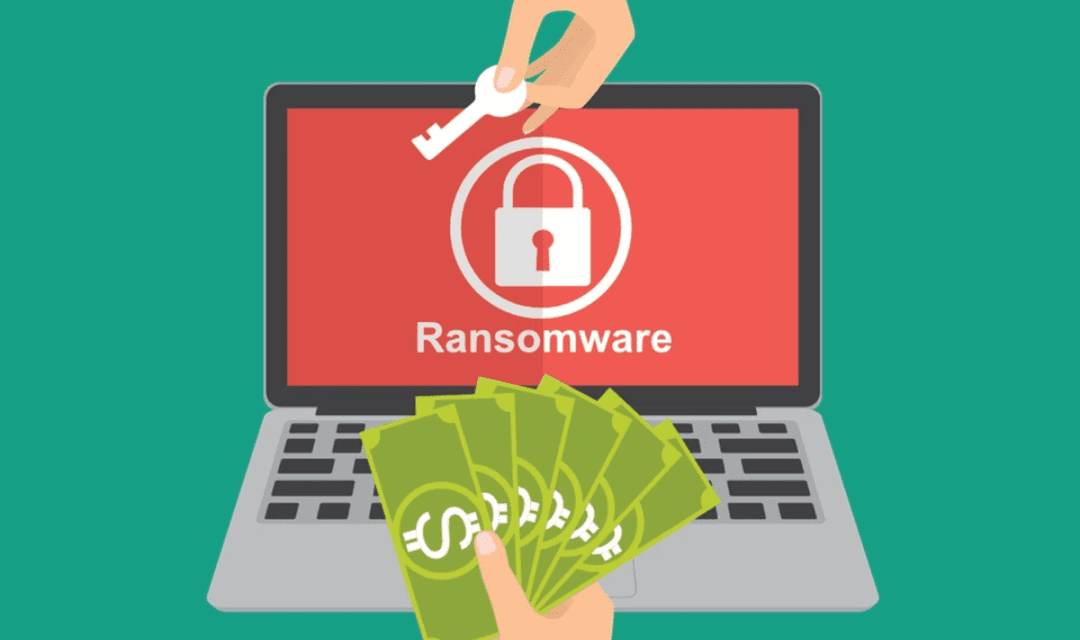
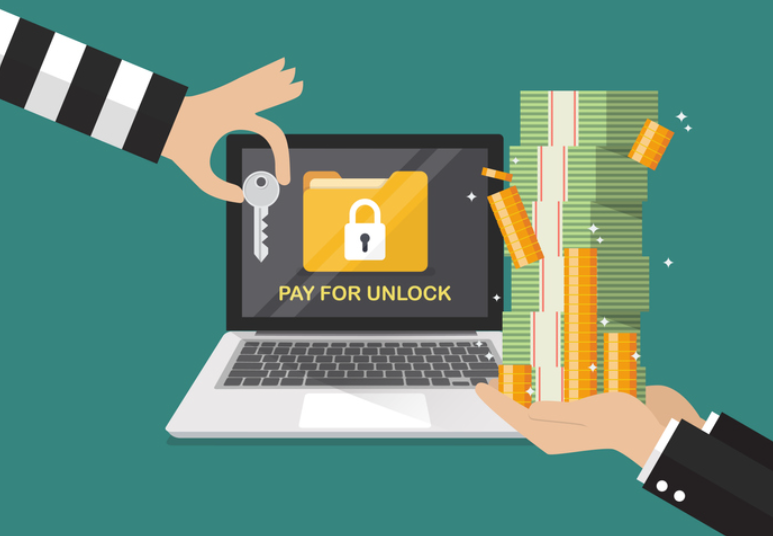
Ransomware is a malicious software that encrypts a victim’s files, rendering them inaccessible. Perpetrators demand a ransom, usually payable in cryptocurrency, in exchange for a decryption key. The goal of ransomware attacks is to extort money from victims, individuals or organizations, by holding their valuable data hostage. There are various forms of ransomware, with the two most common types being:
Encrypting Ransomware:
This type of ransomware encrypts the victim’s files, rendering them unreadable without a decryption key. The victim is then presented with a ransom demand in exchange for the key.
Locker Ransomware:
Locker ransomware, on the other hand, locks the victim out of their device entirely, preventing them from accessing their files or even the operating system. Victims are presented with a ransom demand to regain access.
How Ransomware Works
How Ransomware Works
Infection:
Ransomware typically infiltrates a system through malicious email attachments, fake software downloads, or vulnerabilities in outdated software. Once it gains access, it quietly encrypts files.
Encryption:
The ransomware uses complex encryption algorithms to lock the victim’s files, rendering them inaccessible. This process is fast and can affect a wide range of file types.
Ransom Note:
Following encryption, the victim is presented with a ransom note on their screen, usually demanding payment in cryptocurrency like Bitcoin. The note provides instructions on how to pay the ransom and receive the decryption key.
Payment:
Victims, often faced with the loss of critical data, may choose to pay the ransom. However, there’s no guarantee that paying the ransom will result in the decryption of files. Additionally, it encourages criminal activity and funds the ransomware ecosystem.
Protecting Against Ransomware
While the threat of ransomware is ever-present, there are steps you can take to protect yourself and your digital content:
Regular Backups:
Frequently back up your files to an external drive or a cloud service. This ensures that even if your files are encrypted, you have clean copies that can be restored.
Software Updates:
Keep your operating system and software up-to-date. Ransomware often exploits known vulnerabilities in outdated software.
Email Vigilance:
Be cautious when opening email attachments or clicking on links, especially if the email is from an unknown sender. Phishing emails are a common method of ransomware distribution.
Security Software:
Invest in reputable antivirus and anti-malware software. These can help detect and prevent ransomware infections.
Avoid Paying Ransoms:
Cybersecurity experts advise against paying ransoms. Not only is there no guarantee of receiving the decryption key, but paying ransoms also fuels criminal activities.
The Legal and Ethical Implications
Ransomware attacks have severe legal and ethical implications. Perpetrators can face severe legal consequences, including imprisonment. Additionally, such attacks are widely condemned due to their malicious nature and the harm they cause to individuals and organizations.
Conclusion
Ransomware is a perilous form of digital content theft that preys on individuals and organizations alike. The extortionate nature of ransomware attacks not only jeopardizes the accessibility of valuable digital content but also finances criminal activity. By staying vigilant, employing security measures, and never succumbing to ransom demands, individuals and organizations can protect themselves against this growing threat, ultimately contributing to a safer digital landscape.
Peer-to-Peer Network Definition: A peer-to-peer (P2P) network is a computer network in which each computer in the network can act as a client or a server for the other computers in the network, allowing the sharing of resources without the need for a central server.
In a Peer-to-Peer network, each computer has equal privileges and can communicate directly with any other computer in the network rather than going through a central server. This decentralized structure allows for more efficient resource sharing and can make the network more resilient to failure, as there is no single point of failure. However, it can also make it more difficult to control and secure the network, as no central authority manages it.
Here’s an image that shows the difference between a server-based network and a Peer-to-Peer network:
Examples of Peer-to-Peer Network
Let’s go through some examples in order to understand the Peer-to-Peer network in a better way.
Example 1:
One example of a pure Peer-to-Peer network is the BitTorrent file-sharing network. In the BitTorrent network, users can download and share files directly without needing a central server.
When a user wants to download a file, they connect to the network and request the file from other users who have already downloaded it. These users, known as “seeds,” send small pieces of the file to the requesting user, who assembles these pieces to create the complete file. The requesting user can also become a seed and share the file with other users who request it.
Example 2:
Another example of a Peer-to-Peer network is Skype, a popular communication platform that allows users to make voice and video calls and send messages to each other over the internet. In Skype, each user’s computer acts as a client and a server, allowing users to communicate directly.
However, Skype also uses central servers to help users find, connect, and handle tasks such as authentication and security. This makes Skype a hybrid P2P network.
Types of Peer-to-Peer Networks
There are several types of Peer-to-Peer networks, such as:
Pure P2P networks: These are networks in which all computers are both clients and servers, and there is no central server. Examples include BitTorrent and Gnutella.
Hybrid P2P networks: These are networks that combine the characteristics of both P2P and client-server networks. In a hybrid P2P network, some computers may act as servers and provide resources to other computers, while others may act as clients and request server resources. Examples include Skype and eMule.
Collaborative P2P networks: These are networks in which computers work together to perform a task, such as solving a complex problem or analyzing data. Examples include SETI@home and Folding@home.
Mobile P2P networks: These are P2P networks composed of mobile devices, such as smartphones and tablets, which can connect over a wireless network. Examples include FireChat and Bleep.
Cryptocurrency P2P networks: These are Peer-to-Peer networks that are used to validate and record transactions made with cryptocurrencies, such as Bitcoin and Ethereum.
Peer-to-Peer Network Architecture
The architecture of a Peer-to-Peer network is decentralized, meaning that there is no central server or authority that controls the network. Instead, each computer in the network is connected to one or more other computers and can communicate with them directly.
In a Peer-to-Peer network, each computer is called a “node,” and each node has equal privileges and responsibilities. Nodes can communicate with each other by sending messages over the network using a set of rules called a “protocol.” The protocol defines how nodes should communicate with each other and what actions they can take, such as requesting or sending resources.
In some Peer-to-Peer networks, nodes may also be organized into “clusters” or “supernodes,” which can help improve the network’s efficiency and scalability. The remaining nodes can still share and communicate resources if one node goes offline or becomes inaccessible.
How Does Peer-to-Peer Network Work?
Peer-to-Peer networks allow computers to communicate and share resources directly rather than through a central server.
Let’s go through an example in order to understand the working of a Peer-to-Peer network:
Two computers, Alice and Bob, want to connect to a Peer-to-Peer network and share a file.
Both computers open a P2P client program, which allows them to connect to the network and search for the file they want to share.
Alice and Bob’s computers discover each other on the network and establish a direct connection.
Alice and Bob’s computers exchange messages using the P2P protocol to request and send the file to each other.
Once the file has been transferred, Alice and Bob’s computers can continue to share other files or disconnect from the network.
Finding, sharing, and connecting to other computers may be more complex in a more extensive Peer-to-Peer network. Some Peer-to-Peer networks use specialized software or servers to help nodes find and connect. At the same time, others rely on nodes to communicate directly with each other using a decentralized search algorithm.
Regardless of the specific method used, the key characteristic of a Peer-to-Peer network is that it allows computers to communicate and share resources directly without the need for a central server.
Advantages of P2P Network
Peer-to-Peer networks have several advantages, such as:
Decentralized: Peer-to-Peer networks are decentralized, meaning no central server or authority controls the network. This makes them more resilient to failure, as there is no single point of failure.
Efficient resource sharing: In a Peer-to-Peer network, each computer can act as a client and a server, allowing for more efficient resource sharing. This can reduce the burden on any single computer or server and make the network more scalable.
Lower costs: Peer-to-Peer networks can reduce the cost of maintaining and updating resources, as there is no need for a central server or infrastructure. This can make Peer-to-Peer network more cost-effective for specific applications.
Greater privacy: Peer-to-Peer networks can provide greater privacy for users, as no central server can collect or store user data.
Disadvantages of a Peer-to-Peer Network
Peer-to-Peer networks also have some disadvantages, such as:
Security: P2P networks can be more challenging to secure, as no central authority manages the network. This can make them more vulnerable to cyber-attacks and other security threats.
Quality of service: The quality of service in a Peer-to-Peer network may vary, as it depends on the availability and reliability of other computers in the network.
Control: P2P networks can be more challenging to control and manage, as no central authority regulates the network.
Legal issues: P2P networks may raise legal issues, as people can use these networks to share copyrighted or illegal materials.
How to Use a Peer-to-Peer Network Efficiently?
Here are some tips for using a Peer-to-Peer network efficiently:
Use a fast and reliable internet connection: A fast and reliable internet connection can improve the speed and performance of a P2P network.
Keep your P2P client software up to date: Make sure to keep your P2P client software up to date with the latest version, as this can help improve the network’s performance and security.
Connecting to a large number of seeds: In a file-sharing P2P network, connecting to a large number of seeds can help increase the network’s download speed and reliability.
Use a P2P client with built-in bandwidth management: Some P2P clients have built-in bandwidth management tools that can help optimize the use of your internet connection and improve the network’s performance.
Don’t download or share illegal or copyrighted materials: Downloading or sharing illegal or copyrighted materials on a P2P network can lead to legal issues and harm the network’s performance.
Consider using a VPN: Using a virtual private network (VPN) can help improve the security and privacy of your P2P connection and may also improve the network’s performance.
o abide by the University’s computing policies and the laws referenced in these policies. Users are responsible for all activities conducted through their computing accounts and the devices registered under their name.
In today’s digital age, Over-The-Top (OTT) content delivery has revolutionized the way we consume video and audio content. OTT platforms like Netflix, Hulu, and Disney+ have become household names, offering a vast array of entertainment at our fingertips. However, with the increasing popularity of OTT content, protecting intellectual property and ensuring content security has become paramount. This is where Digital Rights Management (DRM) comes into play. In this article, we’ll explore what DRM is and how it can be used to safeguard your OTT content.
What is DRM?
Digital Rights Management, or DRM, is a technology used to protect digital content from unauthorized access, copying, and distribution. It achieves this by encrypting the content and controlling access through a licensing system. DRM serves as a digital lock that ensures only authorized users can access and enjoy the content. For OTT platforms, DRM is crucial in safeguarding valuable content and maintaining the revenue generated from it.
Protecting OTT Content with DRM
Here are some key strategies for protecting your OTT content using DRM:
1. Encryption
The foundation of DRM is encryption. Content is encrypted at the source and only decrypted for playback on authorized devices. This ensures that even if the content is intercepted during transmission, it remains secure and inaccessible to unauthorized users.
2. License Management
DRM relies on licenses to grant access to content. These licenses can be time-limited, device-specific, or even tied to a specific user’s credentials. OTT platforms can manage these licenses to ensure that only legitimate users can view the content.
3. Watermarking
Watermarking is another essential feature of DRM. It involves embedding hidden information in the video or audio content. This information can identify the source of the leak if the content is pirated, acting as a deterrent to unauthorized distribution.
4. Secure Players
OTT platforms should use secure player applications that are equipped to handle DRM-protected content. These players ensure that content can only be played on authorized devices and that the decryption process is secure.
5. Regular Updates
As technology evolves, so do the methods used by pirates to circumvent DRM. Regular updates to your DRM system are necessary to stay ahead of potential threats. This involves updating encryption algorithms and licensing systems to counter emerging threats.
6. Compliance with Industry Standards
It’s essential to adhere to industry standards for DRM implementation. This ensures that your content is compatible with various devices and platforms while maintaining robust security.
Benefits of Using DRM for OTT Content
How to Protect the OTT Content Using DRM?
Protection of Intellectual Property: DRM helps content creators and distributors protect their valuable intellectual property, preventing unauthorized access and distribution.
Revenue Protection: By securing your content, you can maintain your revenue streams and ensure that only paying customers have access.
Enhanced User Experience: DRM ensures a seamless and secure experience for legitimate users, which is essential for building and retaining a loyal user base.
Compliance and Reporting: DRM systems can track user behavior and help with reporting and compliance requirements, which is particularly important in the media industry.
Deterrent for Pirates: The visible presence of DRM measures like watermarks acts as a deterrent to potential pirates.
Conclusion
Protecting OTT content using DRM is a necessity in today’s digital landscape. With the rise of piracy and unauthorized access, content owners and distributors must take proactive measures to secure their investments. By implementing DRM technology, you not only protect your content but also enhance the user experience and ensure compliance with industry standards. As OTT continues to shape the way we consume content, DRM remains an indispensable tool for content security and long-term success.










Recent Comments