
Direct Answer: The 2027 Global Media Technology Roadmap: Cloud Playout, SSAI Monetization, and Next-Gen Content Security defines the mandatory architectural shifts for broadcasters transitioning from legacy hardware-bound master control rooms to agile, cloud-native streaming and monetization models that combat subscriber fatigue and maximize ad yields.
Key Takeaways:
- Operational Savings: Software-defined cloud playout solutions reduce traditional master control operational overhead by 40% to 60%.
- Monetization Leap: Advanced dynamic ad insertion and SSAI strategies unlock fill rates exceeding 95% across global Connected TV (CTV) inventories.
- Unlocking Dark Data: Over 85% of historical legacy asset archives sitting dormant in vaults can be converted into profitable 24/7 linear streams.
- Security Imperative: Enterprise video architectures require end-to-end encryption, robust DRM, and proactive monitoring to counter modern piracy threats.
Introduction: The 2027 Media Paradigm Shift – From SVOD Fatigue to FAST Dominance
As we navigate through the digital landscape, consumer resistance to stacking multiple Subscription Video on Demand (SVOD) services has fundamentally altered television consumption. In our experience working with enterprise networks, viewer frustration with rising subscription costs and fragmented libraries has turned free, ad-supported linear viewing into the primary driver of digital television consumption by 2027. Audiences now crave the passive, zero-friction discovery experience of traditional television, delivered through modern digital pipelines. This behavioral shift forces media executives to reconsider how they distribute content, moving away from closed subscription ecosystems toward accessible, ad-supported platforms.
Simultaneously, the archive monetization imperative has taken center stage. Decades of legacy tapes and digital files that previously sat dormant in dark storage facilities are now being unlocked as high-margin, niche programming blocks for global audiences. Early-mover advantages heavily favor networks that recognize this transition. Broadcasters can no longer treat Free Ad-Supported Streaming TV (FAST) channels as experimental side projects or low-value filler dumps; instead, they must integrate them directly into a multi-platform distribution strategy. This evolution marks the initial phases of broadcast infrastructure digital transformation, where rigid legacy systems give way to agile, cloud-native viewing environments capable of meeting rapid market demands.
“The shift toward FAST and cloud-native workflows is no longer a speculative experiment for tomorrow—it is the baseline operational mandate for any media company surviving today’s margin compression.”
— Global Broadcast Technology Review, Industry Outlook 2027
To operationalize this shift successfully, engineering teams must embrace software-defined environments that streamline content ingestion, automated scheduling, and real-time delivery. When we advise legacy broadcasters on modernization, we emphasize that abandoning hardware bottlenecks is not just about cutting costs; it is about unlocking organizational agility. By reimagining content pipelines from the ground up, networks can rapidly spin up targeted channels that capture micro-audiences, driving continuous engagement without inflating operational budgets.

The Economics of Legacy Vaults: Transforming Dark Data Into 24/7 Linear Streams
Traditional syndication models have historically left broadcasters monetizing less than 15% of their historical asset libraries. This leaves over 85% of valuable legacy content underutilized, sitting as inert “dark data” that incurs storage costs without generating revenue. By converting these massive vaults for OTT delivery, media companies can finally revive sunk costs. Classic television series, vintage news broadcasts, specialized sports specials, and cinematic releases that amortized their initial production budgets years ago can now generate continuous, highly profitable revenue streams across global Connected TV networks.
Targeting niche fandoms and retro culture has become a masterclass in programmatic curation. Modern viewers actively reject expensive, multi-layered streaming bundles in favor of hyper-targeted linear streams dedicated to specific genres, eras, or intellectual properties. To execute this at scale, networks rely heavily on advanced media asset management solutions to identify, tag, transcode, and format decades-old tapes for digital delivery. These tools automate the tedious metadata enrichment processes, ensuring that legacy footage is easily discoverable by modern recommendation engines and programmatic advertising buyers.
In our practical engagements, we have witnessed how automated metadata tagging transforms unorganized tape archives into structured, monetizable assets within days rather than months. When a major regional broadcaster applied advanced asset management frameworks to digitize 40 years of local news and sports archives, they successfully launched four distinct FAST channels within six weeks. These channels immediately captured dedicated retro-culture audiences, proving that historical content holds immense latent value when paired with modern streaming distribution pipelines.
What is Cloud Playout and Why Are Broadcasters Adopting It by 2027?
Cloud playout represents the definitive evolution of master control, moving scheduling, graphics overlays, branding, and video assembly from physical hardware racks inside tightly controlled facilities into scalable cloud environments. Broadcasters are rapidly adopting this architecture by 2027 to eliminate operational bottlenecks, reduce operational overhead by 40% to 60%, and achieve unprecedented agility. Unlike legacy hardware that requires years of procurement cycles and capital expenditure, cloud-based workflows allow engineering teams to provision, scale, and decommission channels on demand.
The operational cost reductions driven by this transition cannot be overstated. Traditional Master Control Rooms (MCR) require dedicated physical real estate, continuous power, climate-controlled environments, and on-site hardware maintenance engineers. By migrating to software-defined Connected TV cloud playout solutions, broadcasters shift from capital-heavy expenditures to predictable operational models. Furthermore, this agility enables the rapid deployment of temporary and pop-up channels. Whether launching a localized news feed for a sudden geopolitical event or a seasonal holiday movie marathon, cloud infrastructure empowers networks to deploy services in minutes without major infrastructure projects.
This operational flexibility directly addresses the future of cloud playout technology as a mission-critical business strategy. As multi-region distribution becomes the standard, cloud playout engines ensure frame-accurate synchronization and pristine video quality across disparate geographic nodes. Broadcasters who embrace this software-defined paradigm insulate themselves against hardware obsolescence, ensuring their distribution workflows remain resilient, adaptive, and financially optimized.
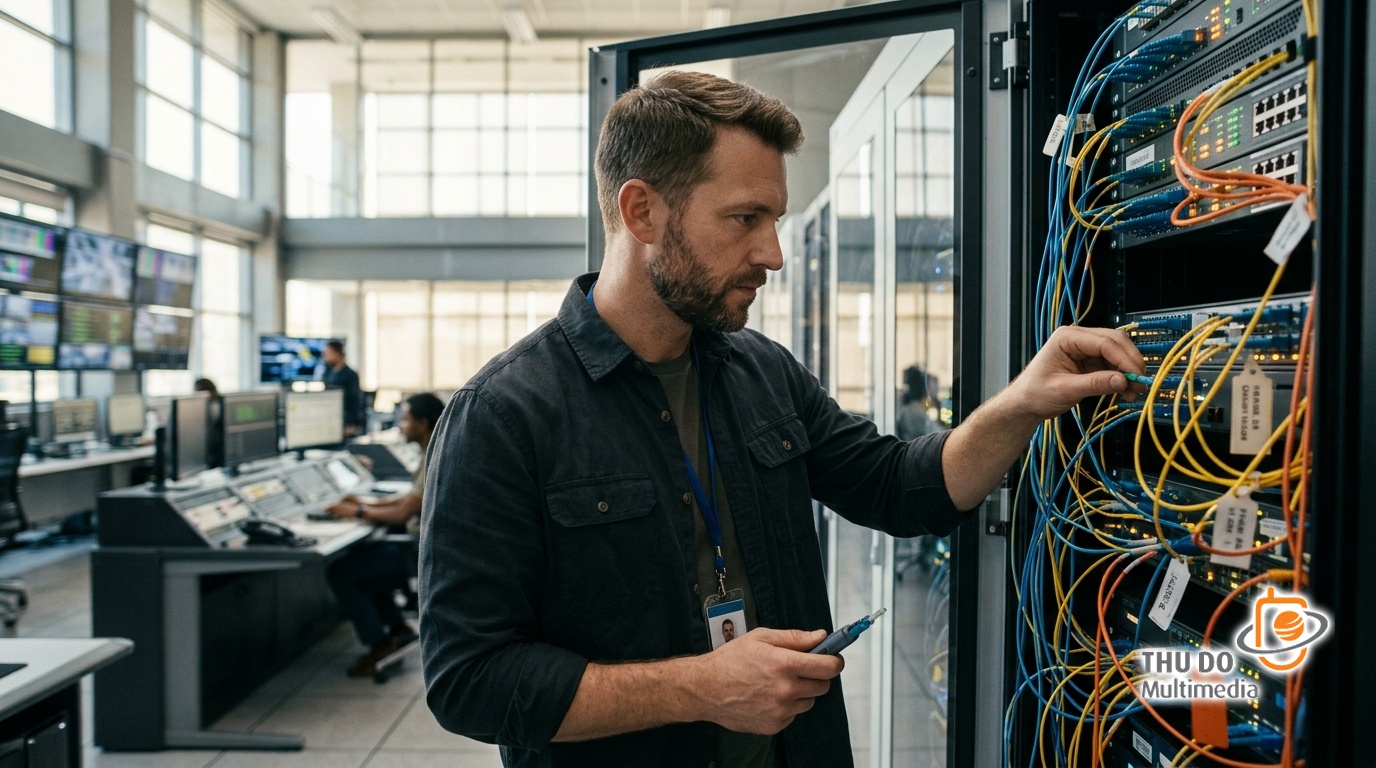
How to Balance Mission-Critical Reliability and Cloud Flexibility in Hybrid Transitions?
While the benefits of cloud workflows are undeniable, reliability and uptime remain paramount for broadcast-grade operations. Moving from decades of traditional playout management to cloud monitoring requires overcoming significant cultural and engineering barriers. Traditional broadcast engineers are trained to trust physical SDI cables and dedicated hardware switchers; transitioning to IP-based cloud environments introduces a psychological and technical leap. Engineering teams must adapt to new monitoring paradigms, embracing distributed telemetry, cloud redundancy protocols, and software-defined support structures.
To mitigate risk while gaining operational experience, the hybrid adoption model has become the industry standard. Most enterprise broadcasters do not perform a flash-cut migration; instead, they combine cloud-based playout services with existing on-premises infrastructures. This hybrid approach allows engineering teams to test cloud resiliency, validate master control workflows, and train personnel in a controlled environment. Throughout this transition, maintaining rigorous standards for broadcast infrastructure digital transformation ensures that mission-critical reliability is never compromised.
In our consulting practice, we recommend starting hybrid deployments with non-core channels—such as secondary FAST feeds or regional pop-ups—before migrating flagship linear networks to the cloud. This phased methodology builds internal confidence, surfaces network bottlenecks early, and ensures that when full migration occurs, the enterprise video architecture is robust enough to handle millions of concurrent viewers without a single dropped frame.
Programmatic Yield Maximization: Advanced SSAI and Next-Gen Monetization
Ad-supported streaming has evolved from a blunt monetization instrument into a high-yield science, driven by advanced Server-Side Ad Insertion (SSAI) and real-time programmatic bidding on Connected TV inventories. By stitching advertisements directly into the video manifest on the server side, broadcasters bypass client-side ad-blockers and eliminate buffering or latency during commercial breaks on live linear streams. This seamless ad stitching provides a television-like viewing experience while maximizing revenue potential through sophisticated first-party audience targeting.
Achieving high fill rates is no longer a matter of luck; it is a direct result of implementing advanced dynamic ad insertion frameworks that push fill rates exceeding 95%. When buyers can target precise demographic segments across verified Connected TV environments, CPMs rise significantly. These robust SSAI monetization strategies for streaming rely on lightning-fast decision servers and low-latency manifest manipulation engines that communicate with demand-side platforms (DSPs) in milliseconds.
Integrating these next-generation video advertising models requires strict adherence to dynamic ad insertion best practices, including transparent measurement, fraud prevention, and robust user consent frameworks. Broadcasters who master these programmatic workflows capture maximum value from every impression, turning their ad-supported streams into highly profitable digital assets that rival traditional cable network revenues.
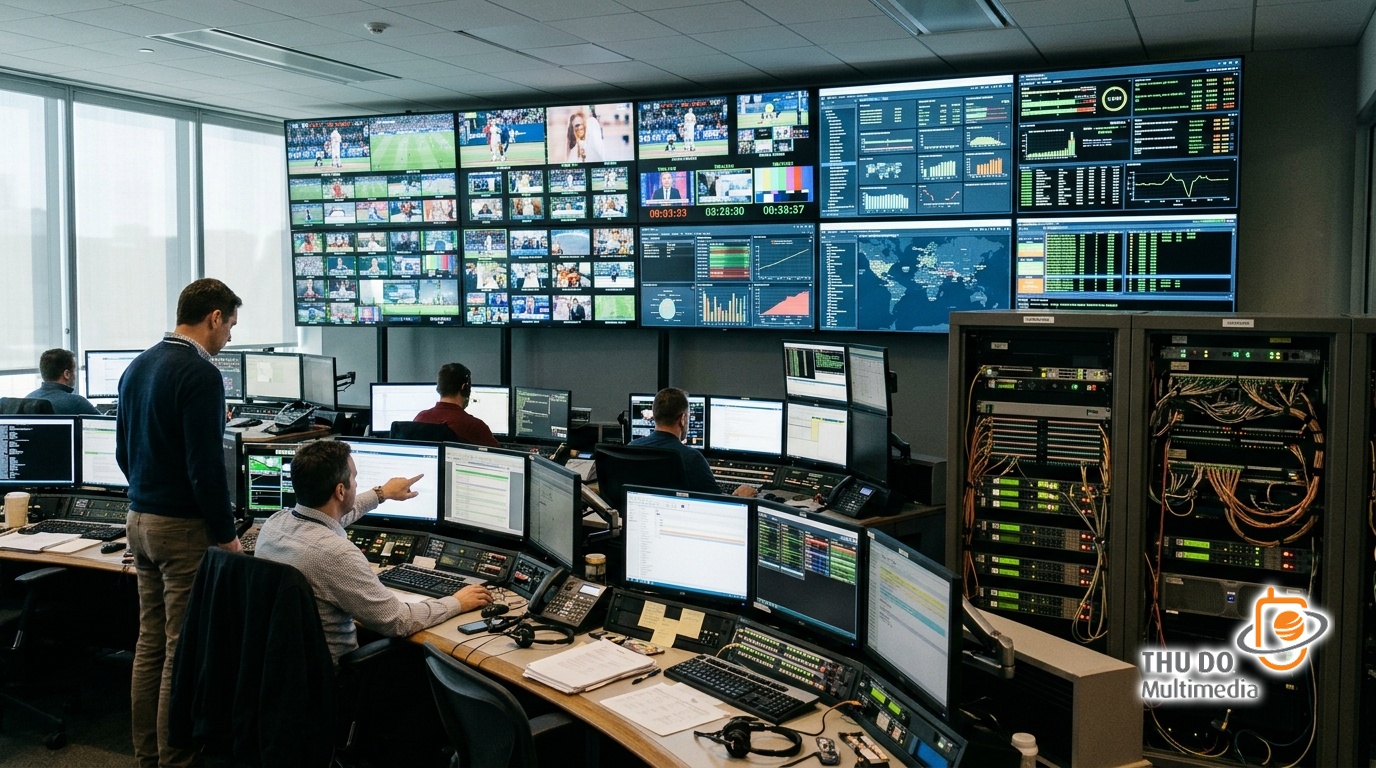
Fortifying the Pipeline: Next-Gen Content Security and Enterprise Video Architecture
Expanding cloud environments, multi-platform distribution, and programmatic ad insertion pathways introduce complex security vulnerabilities that require enterprise-grade fortification. Protecting high-value media assets from unauthorized interception, piracy, and data tampering is critical across global Connected TV networks. Securing the distribution chain demands modern frameworks that encrypt content from the cloud playout origin server all the way to the end-user playback device, ensuring that streams cannot be maliciously intercepted or ripped during transit.
Robust compliance and digital rights management (DRM) integration form the backbone of any reliable security posture. Broadcasters must implement strict encryption standards, multi-key rotation policies, and forensic watermarking to trace unauthorized rebroadcasts instantly. These proactive measures align with emerging content security trends 2027, where bad actors utilize automated AI tools to exploit streaming vulnerabilities. Building a bulletproof enterprise video security architecture ensures that intellectual property remains protected across every edge node and CDN delivery point.
When designing secure workflows for our enterprise clients, we enforce zero-trust principles across all cloud playout and ad-stitching microservices. By combining end-to-end token validation, dynamic license delivery, and continuous security auditing, broadcasters can confidently distribute premium sports and cinematic releases globally, knowing their revenue pipelines are safeguarded against sophisticated cyber threats.
Câu hỏi thường gặp
- Q: What is cloud playout and why are broadcasters adopting it by 2027?
- A: Cloud playout moves the final stage of broadcast preparation—scheduling, graphics, branding, and video assembly—from physical hardware control rooms into scalable cloud environments. Broadcasters adopt it to reduce operational overhead by 40-60%, launch temporary or FAST channels rapidly, and scale operations without rigid hardware bottlenecks.
- Q: How does Server-Side Ad Insertion (SSAI) maximize revenue for FAST channels?
- A: SSAI stitches advertisements directly into the video stream on the server side before it reaches the viewer’s device. This prevents ad-blockers, reduces playback latency, and enables real-time programmatic bidding that drives fill rates above 95% using first-party audience data.
- Q: How can media companies monetize their legacy broadcast archives?
- A: Broadcasters can utilize advanced media asset management solutions to digitize, tag, and package decades-old tapes, news broadcasts, and classic series sitting in vaults (which traditionally make up over 85% of unmonitored dark data) into curated 24/7 Free Ad-Supported Streaming TV (FAST) channels distributed across Connected TV networks.
- Q: What are the primary security challenges when moving playout and monetization to the cloud?
- A: Moving workflows to the cloud exposes streams to unauthorized interception, piracy, and data tampering during transit and ad-stitching. Implementing robust enterprise video security architectures, end-to-end encryption, and advanced DRM solutions ensures compliance and content protection.
Recent Comments