In May 2017, the world was rocked by a cyberattack of unprecedented scale. WannaCry, a malicious ransomware, infected hundreds of thousands of computers in over 150 countries, causing chaos and financial losses. It was a wake-up call for governments, businesses, and individuals worldwide, highlighting the vulnerability of our interconnected digital world. Now, six years later, it’s time to reflect on the lessons learned and the progress made in defending against ransomware.
WannaCry’s Rampage
WannaCry, also known as WCry or WannaCrypt, targeted Windows operating systems, exploiting a vulnerability in the Windows Server Message Block (SMB) protocol. It spread rapidly, locking users out of their computers and demanding a ransom in Bitcoin to unlock their files. Its global impact was so severe that it crippled critical infrastructure, including healthcare systems in the UK, and cost businesses an estimated $4 billion.
Lessons Learned
WannaCry: Ransomware Defense, Six Years On
WannaCry exposed several critical weaknesses in our cybersecurity infrastructure:
Outdated Software: One of the primary reasons for WannaCry’s widespread success was the prevalence of outdated and unpatched Windows systems. Organizations and individuals who failed to keep their systems up to date were left vulnerable.
Lack of Cyber Hygiene: Weak cybersecurity practices, such as poor password management and the absence of data backups, made it easier for ransomware to infiltrate systems.
Global Interconnectedness: The interconnectedness of the digital world allowed the rapid spread of WannaCry across borders, emphasizing the need for international cooperation in combating cyber threats.
Defending Against Ransomware
Since WannaCry, significant efforts have been made to improve ransomware defense:
Patch Management: Organizations and individuals have become more proactive in keeping their software up to date. Frequent security updates and patches have become a norm, closing vulnerabilities that ransomware could exploit.
Backup and Recovery: Regular data backups and disaster recovery plans have gained importance. With the ability to restore data from backups, the leverage that ransomware attacks have is diminished.
Advanced Security Tools: The development and adoption of more sophisticated cybersecurity tools, including AI-based threat detection, has improved our ability to identify and mitigate ransomware attacks.
Cybersecurity Education: Increased awareness and education about ransomware and other cyber threats have empowered individuals and organizations to recognize and respond to potential attacks.
Challenges and Evolving Threats
Despite the progress made in ransomware defense, the threat landscape continues to evolve. Ransomware attacks have become more sophisticated, and threat actors have adapted their tactics to exploit emerging vulnerabilities.
Ransomware-as-a-Service (RaaS): Criminals can now purchase or lease ransomware kits, lowering the barrier to entry for cybercriminals. This has led to a proliferation of ransomware attacks.
Double Extortion: Ransomware gangs have adopted double extortion tactics, stealing sensitive data before encrypting it. They threaten to release the data if the ransom is not paid, making victims more likely to comply.
Targeted Attacks: While WannaCry was widespread, many modern ransomware attacks are highly targeted, focusing on specific organizations to maximize the potential payout.
Looking Ahead
The WannaCry incident was a turning point in the fight against ransomware. It forced governments, law enforcement agencies, and cybersecurity professionals to recognize the urgency of the threat and collaborate on solutions. However, the battle is far from over, and ransomware remains a formidable adversary.
To stay ahead of ransomware attacks, a comprehensive approach is essential:
Continued Education: Individuals and organizations must stay informed about evolving threats and best practices in cybersecurity.
International Cooperation: Cyber threats are global, and international cooperation is crucial to track and apprehend cybercriminals.
Innovation: Cybersecurity tools and techniques must evolve to counter increasingly sophisticated ransomware attacks.
Preparedness: The best defense is a good offense. Organizations should develop and test incident response plans to minimize damage in the event of an attack.
Six years after WannaCry, the world has come a long way in defending against ransomware. However, the threat remains, and vigilance is essential. The lessons learned from WannaCry serve as a stark reminder that in the ever-evolving world of cybersecurity, there is no room for complacency.
Free Ad-Supported Television (FAST) has transformed the content consumption landscape, providing a wide array of shows and channels without the requirement of a subscription. FAST platforms have experienced a significant surge in popularity in recent years. In this blog post, we will delve into the importance of original, plagiarism-free content for the triumph of FAST and examine strategies to safeguard this invaluable content.
Why Content is Crucial for FAST Channel?
Viewer Engagement: Content serves as the lifeblood of any television platform, and the same holds true for FAST. Captivating and enjoyable content is the key to fostering viewer loyalty. By offering a diverse array of shows and movies, FAST channels can effectively cater to a wide-ranging audience, thereby boosting viewer engagement.
Advertising Revenue: FAST channels heavily depend on advertising revenue to sustain their free services. Exceptional, original content not only attracts more viewers but also creates additional advertising opportunities. Advertisers are more inclined to invest in platforms that boast a committed and engaged audience, a feat achievable through compelling content.
Competitive Edge: In the competitive streaming market, original content sets FAST channels apart. Exclusive shows and movies not only draw in new viewers but also retain existing ones. This competitive advantage can enable FAST channels to distinguish themselves and gain a larger market share.
Data Utilization: Content consumption yields invaluable data that can be harnessed for targeted advertising. Through the analysis of viewer preferences, FAST platforms can deliver more pertinent ads, elevating the user experience and enhancing the effectiveness of advertisements.
Why is Content Security Essential for FAST Channels?
Why and Ways to Safeguard Content for Enhanced Performance
Viewer Engagement: Content is the lifeblood of any television platform, and this rings true for FAST as well. Engaging and enjoyable content is the cornerstone of building viewer loyalty. FAST channels can enhance viewer engagement by offering a diverse range of shows and movies that cater to a broad audience.
Advertising Revenue: The sustainability of FAST channels heavily relies on advertising revenue. Unique and original content not only attracts more viewers but also creates additional opportunities for advertising. Advertisers are more inclined to invest in platforms with a dedicated and engaged audience, which is achievable through the delivery of compelling content.
Competitive Advantage: In the fiercely competitive streaming market, original content provides a distinctive edge to FAST channels. Exclusive shows and movies not only attract new viewers but also retain existing ones. This competitive advantage positions FAST channels to stand out and gain a larger market share.
Data Utilization: Content consumption yields invaluable data that can be leveraged for targeted advertising. By analyzing viewer preferences, FAST platforms can deliver more relevant ads, thereby enhancing the user experience and increasing the effectiveness of advertisements.
Ways to Protect FAST Channel (Free Ad-supported Streaming TV)
Digital Rights Management (DRM): Implementing DRM technologies can prevent unauthorized copying and distribution of content. These systems can encrypt content and control access, ensuring that only authorized viewers can enjoy it.
Content Watermarking
Watermarking content can deter piracy and unauthorized sharing. Visible or invisible watermarks can be added to videos to mark them as proprietary, discouraging viewers from attempting to redistribute the content.
Content Licensing
One of the most effective ways to protect content is by securing proper licensing agreements. FAST platforms should negotiate deals with content creators and copyright holders to ensure legal access to their content. This prevents unauthorized use and distribution.
Regular Audits
FAST platforms should conduct regular audits of their content libraries to identify and remove any infringing or plagiarized materials. This proactive approach can help maintain the integrity of the platform.
Explore the effectiveness of Securing OTT content with Multi-DRM, providing enhanced protection against unauthorized distribution and piracy
User Reporting
Prompt users to report any questionable or infringing content they encounter. Creating a transparent reporting system and addressing copyright violations is crucial for safeguarding content on the platform.
Legal Measures
When faced with significant copyright infringement, it may be imperative to take legal action. FAST platforms should maintain legal teams prepared to initiate action against individuals or entities who breach copyright laws.
In today’s digital age, Over-The-Top (OTT) content delivery has revolutionized the way we consume video and audio content. OTT platforms like Netflix, Hulu, and Disney+ have become household names, offering a vast array of entertainment at our fingertips. However, with the increasing popularity of OTT content, protecting intellectual property and ensuring content security has become paramount. This is where Digital Rights Management (DRM) comes into play. In this article, we’ll explore what DRM is and how it can be used to safeguard your OTT content.
What is DRM?
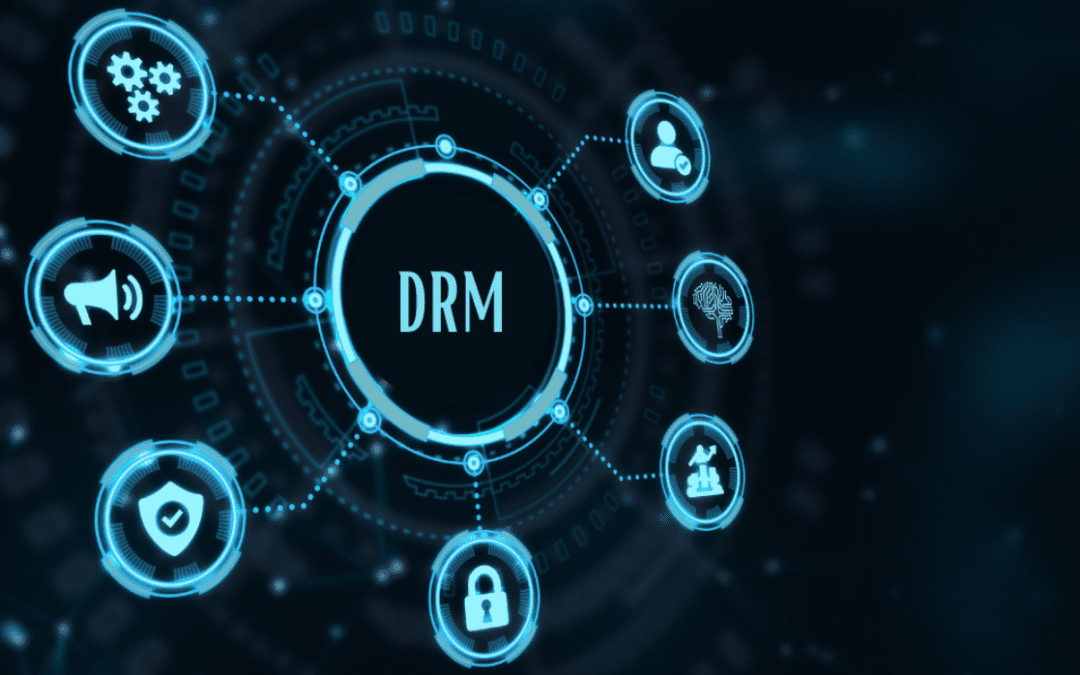
Digital Rights Management, or DRM, is a technology used to protect digital content from unauthorized access, copying, and distribution. It achieves this by encrypting the content and controlling access through a licensing system. DRM serves as a digital lock that ensures only authorized users can access and enjoy the content. For OTT platforms, DRM is crucial in safeguarding valuable content and maintaining the revenue generated from it.
Protecting OTT Content with DRM
Here are some key strategies for protecting your OTT content using DRM:
1. Encryption
The foundation of DRM is encryption. Content is encrypted at the source and only decrypted for playback on authorized devices. This ensures that even if the content is intercepted during transmission, it remains secure and inaccessible to unauthorized users.
2. License Management
DRM relies on licenses to grant access to content. These licenses can be time-limited, device-specific, or even tied to a specific user’s credentials. OTT platforms can manage these licenses to ensure that only legitimate users can view the content.
3. Watermarking
Watermarking is another essential feature of DRM. It involves embedding hidden information in the video or audio content. This information can identify the source of the leak if the content is pirated, acting as a deterrent to unauthorized distribution.
4. Secure Players
OTT platforms should use secure player applications that are equipped to handle DRM-protected content. These players ensure that content can only be played on authorized devices and that the decryption process is secure.
5. Regular Updates
As technology evolves, so do the methods used by pirates to circumvent DRM. Regular updates to your DRM system are necessary to stay ahead of potential threats. This involves updating encryption algorithms and licensing systems to counter emerging threats.
6. Compliance with Industry Standards
It’s essential to adhere to industry standards for DRM implementation. This ensures that your content is compatible with various devices and platforms while maintaining robust security.
Benefits of Using DRM for OTT Content
How to Protect the OTT Content Using DRM?
Protection of Intellectual Property: DRM helps content creators and distributors protect their valuable intellectual property, preventing unauthorized access and distribution.
Revenue Protection: By securing your content, you can maintain your revenue streams and ensure that only paying customers have access.
Enhanced User Experience: DRM ensures a seamless and secure experience for legitimate users, which is essential for building and retaining a loyal user base.
Compliance and Reporting: DRM systems can track user behavior and help with reporting and compliance requirements, which is particularly important in the media industry.
Deterrent for Pirates: The visible presence of DRM measures like watermarks acts as a deterrent to potential pirates.
Conclusion
Protecting OTT content using DRM is a necessity in today’s digital landscape. With the rise of piracy and unauthorized access, content owners and distributors must take proactive measures to secure their investments. By implementing DRM technology, you not only protect your content but also enhance the user experience and ensure compliance with industry standards. As OTT continues to shape the way we consume content, DRM remains an indispensable tool for content security and long-term success.
The video streaming content provider is losing 20% of potential revenue due to intellectual property theft. This figure was obtained from a survey conducted by Streaming Media.
Thudo Multimedia will present the key takeaways from this survey. The report highlights trends in Digital Rights Management (DRM) for protecting digital content and raises larger questions about the characteristics of content protection solutions in the future.
Over 200 people participated in the survey at the end of this summer. While many respondents were from North America, others came from the Asia-Pacific, Europe, and South America. They worked in various industries, ranging from advertising and artists to OTT broadcasters and cable television. In addition, instructors and businesses represented various fields, from technical to operations and management.
One aspect the report expands on is the difference between what businesses offer to customers (in terms of content access) and what customers desire (in terms of freedom to share and access content anywhere).
What’s even more interesting is that from an expert’s perspective, survey participants called for stricter DRM content protection solutions. Simultaneously, these experts responded to customer queries regarding less restrictive access.
“The gap between business models and customer expectations continues to exist. The research highlights this trend,” said Olga Kornienko, co-founder of EZDRM, a DRM-focused company.
The report also provides evidence that attack trends are increasing exponentially, along with the growing complexity of delivering video content to a wide range of devices.
Another part of the report delves into the increasing demand for livestream security in the context of the global pandemic, which has led to a significant increase in interactive livestreams from early 2022 to the summer of 2023. In fact, the survey indicates that the need to protect livestream content is just as crucial as providing on-demand content to viewers.
Finally, the report updates the latest global DRM standards and the rise of DRM+ as a new “blend” for security.
Contact Thudo Multimedia today for consultation on DRM technology solutions to protect digital content copyrights.
Five critical things that TV operators should think about when it comes to choosing a solution for DRM protection.
With content budgets rising all the time, whether for original productions or rights purchases, operators are understandably paying increasing attention to the protection of that investment. It is a challenging part of any business strategy as piracy organisations are constantly evolving and finding new ways to intercept and illegally re-stream video. Digital rights management (DRM) is thus a critical part of any overall OTT business plan, whether a new launch or an established service, but there are many different things to consider when it comes to choosing the right DRM protection for your business needs.
Here then is our quick checklist of items and issues that will guide you when it comes to choosing your own DRM solutions.
5 key considerations for DRM protection
5 things you need to consider when choosing DRM protection
1. Recognise the value of your content
There is a direct link to the value of your content and the value that pirates can charge for accessing illegal copies of it. This means that the more you pay for your rights, the more you need to pay attention to how to protect them. Your content will be targeted; it’s a question of when and not if.
Sports rights are historically some of the most expensive in the industry and sports has been one of the main areas to be targeted in recent years, as piracy has moved to a live streaming model. Content protection here is an absolute prerequisite and is increasingly demanded by rights holders as part of any deal. Rights holders are all too aware that any leak anywhere in the world can have repercussions on their business wherever it may be situated. The prevailing mood is that they cannot be too careful.
2. Multiple devices = multi DRM
The days of watching television on a single big screen TV set in the living room are long gone. Today’s viewers watch digital content on a multiplicity of screens, from phones that they can put in their pocket to giant LCD screens that dwarf anything seen in the days of the cathode ray tube. And they expect that content to be there when they want it to be. The difficulty is that each platform has its own application language, methodology, and native DRM security, meaning that whatever you offer, viewing needs to be secured across all of them.
A multi-DRM approach is the only way that this can be done. It supports as wide a range of devices and formats as possible, as well as offering integration with third party DRM solutions such as Widevine or Microsoft PlayReady. Viewers don’t care about rights management issues; they simply expect their content to be available at anytime, anywhere, and that their viewing experience will be seamless.
3. Network considerations
Different DRM solutions generate DRM protected files in different ways, and the ideal DRM encryption solution you choose will depend on whether you leverage unicast, multicast or broadcast networks – managed or not. It’s a situation with plenty of flexibility and fairly constant evolution and iteration, and may evolve as your content delivery network advances and you reassess the ecosystem of your protected files.
It is worth pointing you that that leveraging adaptive streaming protocols such as MPEG-DASH, Microsoft Smooth Streaming and HLS is vital to maintain optimal video quality under a range of network conditions and on any device type.
4. Looking at the big picture
Any DRM solution you choose, not to mention the way you implement it, are a part of the overall content licensing agreements you sign, as rights owners become more concerned about the downstream management of digital rights.
That means it is not just the DRM you are selecting, but also the method of implementation that matters, as well as the level of security around the integration, and how security management will be handled over time: it is a complete package. Rights holders want to know that there are mitigations in place to prevent DRM protection removal, especially as DRM removal software has become more widespread
Integration need not be a lengthy process, however. VO’s own multi-DRM solution can be integrated into an operator’s ecosystem within a few weeks.
5. Hitting a moving target
Piracy is changing and evolving all the time. The amount of money – often illegal revenues of crime syndicates – being spent on establishing illegal operations is significant. This means that anti-piracy measures, including offering protected DRM content, have to constantly evolve too, to keep up as well. Technologies such as DRM Dynamic Watermarking thus become important over time, as workarounds for existing security methods become widespread amongst the pirate services, and the industry has to cope with increased DRM removal.
Managing risk
In the end, an effective DRM Solution is all about the management and limitation of risk. A solution looking to provide DRM TV needs to fulfil a range of criteria:
Deploy a set of technologies that fit your business models, that work both now and in the future
Provide rights owners with reassurance.
Integrate tightly and securely in all devices that are being used for your service. This covers both their hardware and software environments.
Piggyback on the security capabilities of the devices, and provide hardware anchorage wherever possible. This can be achieved through features such as STB secure chipsets, Trusted Execution Environments for smartphones, and more.
Take a holistic approach that does not rely on DRM alone. Additional services such as anti-piracy tracking and watermarking should also be considered too, as an essential part of your overall content protection.
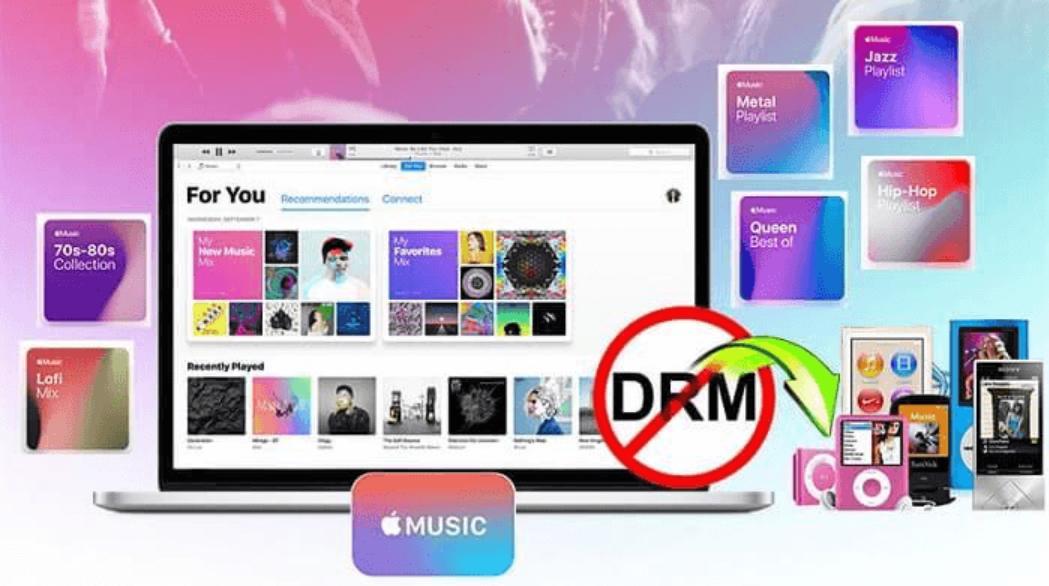
Consumers are now used to dealing with DRM digital rights, with music services such as iTunes and Apple Music leading the way when it comes to audio and acting as powerful gatekeepers to protected songs and other media. However, the same situation is not yet the case when it comes to video and from the growth in Kodi Boxes to the almost total replacement of bittorrent with live streaming piracy services, video content and copyrighted works have never been under so much threat. However, there are definitely actions you can take to stay in control and make sure that digital content is protected, and that list starts with a robust security agent powered by DRM.
As sport fills the world’s TV screens once more, the battle to ensure that sports video piracy does not destroy revenues needs new anti-piracy strategies.
After a difficult few months where events were cancelled, leagues halted worldwide, and Pay-TV companies were even forced to temporarily suspend subscriptions, sports, and sports broadcasting has restarted.
Having shrunk to historic lows of a mere 3% of streaming viewing during the height of lockdown, it was back up to its more typical 30% share by mid-June. The first global sport, Formula One, restarted on 5 July, albeit on selected circuits and with no spectators. And while the Olympics has been postponed to a — hoped-for — date of July 2021, the summer schedules are full of leagues either debuting new formats or finishing off postponed matches.
There may still be no fans in attendance and the games may be taking place in unaccustomed silence, but the autumn will see sport back to its normal place in the TV schedules. And, unfortunately, the restreaming of sports by sophisticated piracy outfits is back too. A 10-country survey of more than 6000 sports fans published in June revealed that only 16% said they never watched sports using an illegal service.
A global problem
Illegal streaming is an issue around the world, no matter where the sport originates. On Friday 19 June, the Singapore High Court granted an order sought by BBC Studios, Discovery, England’s Premier League, Spain’s La Liga, and TVB for Singapore’s internet service providers to block access to 17 domains associated with popular piracy streaming sites and 41 domains associated with popular illicit streaming device (ISD) applications.
The importance of watermarking in tackling sports video piracy
Announcing the action, the Asia Video Industry Association (AVIA) also revealed the results of a survey that said that 17% of Singapore consumers, and 32% of 18 – 24-year-olds, access streaming piracy websites or torrent sites.
It is not a situation that stays still either. A Wired piece titled Twitch Has Become a Haven for Live Sports Piracy describes how the esports gaming service has been hijacked by pirates. 70,000 viewers watched a soccer match over three live streams in January, 86,000 watched a boxing bout in December, and three of the services’ Top 10 streams were devoted to a December 21 FIFA Club World Cup match with 100,000 viewers spread between them.
Taking action against live streaming is vital, now more so than ever as businesses start the long road to recovery from the loss of income during the pandemic period.
Time is of the essence
With live events now as vulnerable to hacking and streaming as movies and tentpole TV shows, so the ability to combat them has had to shift into a real-time mode as well. There is little advantage in sending takedown notices to the three Twitch streams that were streaming the FIFA Club World Cup the day after the match or even minutes after it.
This is why dynamic watermarking solutions such as Sigma Solutions are the best solution to combat modern sports piracy. Watermarking enables speedy detection as it is vital to identify the source of the illegal stream in the modern environment. Links can of course be taken down, but web cleaning on its own is not enough nowadays as links can proliferate again via bots on social media networks with astonishing rapidity.
Couple watermarking with our Eye on Piracy service and you have a full E2E solution that provides all the tools required to combat piracy for live events swiftly and reliably. Together they allow broadcasters and operators to protect their revenue by offering the following key features that need to be considered for any effective anti-piracy strategy:
Robustness: In this instance, resistance to collusion which is the main attack to remove the watermarking
Legacy support: An anti-piracy strategy must encompass as many devices as possible. As it is a software-based solution, supporting legacy devices is not an issue
Imperceptible: A watermarking solution needs to be transparent so that it does not impact the quality of the video and the video itself
Scalable: VO’s Watermarking as a Service features a cloud deployment so that it can swiftly scale to monitor a huge number of devices and users
Resolution independent: Not only must the solution be able to accommodate future increases in resolution, it must also be able to operate at low video resolutions to identify individual users as the source of piracy
All of this makes for an ideal solution to tackle live sports piracy. It is robust enough to withstand the pirates’ increasingly sophisticated attempts at obfuscation; it is software based so that it can reach the huge range of devices that sports fans watch games and matches on; it is undetectable to the viewer (and the unwitting pirate); it is cloud-based and so swiftly scalable, not to mention the possibilities for deployment on an ‘as you go’ basis; and it can extract watermarks even from poor quality pictures.
Watermarking and sports piracy
Watermarking is not a cure for sports piracy on its own. While a powerful tool and a key enabler for real-time action, it needs to be seen as part of an overall anti-piracy strategy. This is increasingly something that sports leagues and content owners are looking for; a quality of service that protects their valuable assets and can combine several technologies together to take the fight to the pirates.
Furthermore, watermarking can be automated with web crawler solutions to manage anti-piracy in real-time. And real-time action is just what is needed. As sport returns to our screens experience says that piracy is not far behind it.








Recent Comments