Content Strategy 2027: The Shift Towards Interactive Video, Gamification, and Shoppable TV

Content Strategy 2027: The Shift Towards Interactive Video, Gamification, and Shoppable TV

Content Strategy 2027: The Shift Towards Interactive Video, Gamification, and Shoppable TV represents the critical evolution from passive media consumption to hyper-personalized, interactive experiences. By leveraging AI-driven dynamic creative, immersive gamified formats, and contextual commerce, brands can drastically reduce friction, capture ethical first-party data securely, and boost e-commerce conversions by an average of 15%.

Key Takeaways

  • Budget Reallocation: Approximately 70% of marketing budgets are projected to shift towards hyper-segmentation and AI-driven personalization by 2027 (Source: eMarketer).
  • Rapid Format Growth: Interactive content formats, including AR/VR, shoppable livestreams, and playable ads, will see a massive 40% year-over-year growth in adoption.
  • AI-Driven Efficiency: Personalized AI-driven content generation workflows will reduce manual copywriting and repetitive asset creation by up to 60%.
  • Data & Loyalty: Shifting to first-party, consent-based data collection combined with ethical AI usage leads to a proven 10% increase in long-term brand loyalty.

What is the future of digital content creation 2027: Moving from Consumption to Interaction?

In our experience navigating the rapidly changing digital landscape, the era of passive scrolling is officially dead. The future of digital content creation 2027 is defined by a profound paradigm shift: the screen is no longer a one-way broadcasting tool, but rather a dynamic, multidimensional canvas for interaction. Audiences today demand content that they can feel, manipulate, and co-create in real-time. This transition requires brands to completely rethink their foundational architectures, moving away from static, interruptive advertisements toward deeply immersive environments where the user controls the narrative flow.

To understand the magnitude of this shift, we only need to look at where the capital is flowing. According to a recent eMarketer report, 70% of marketing budgets are projected to shift towards hyper-segmentation and AI-driven personalization by 2027. Generative AI tools like Adobe Sensei, RunwayML, and Midjourney are no longer just experimental writing assistants; they are becoming the core engines for dynamic, real-time visual creative automation. By utilizing these advanced AI models, brands can reduce manual copywriting and routine creative efforts by up to 60%, freeing up human talent to focus on high-level strategy and complex, empathetic storytelling.

“The transition from passive viewing to interactive story-living is not just a creative trend; it is a fundamental restructuring of digital commerce that demands real-time responsiveness and deep user integration.” — Global Interactive Advertising Bureau (IAB) 2024 Insight Report

At our agency, Nexus Interactive, we have witnessed firsthand how this technological leap requires a robust data foundation. With third-party cookies being phased out, 80% of advertisers are being forced to rely entirely on first-party, consent-based data collection. This is where interactive content shines. When a user actively engages with an interactive video or a gamified poll, they are willingly volunteering their preferences. Through our proprietary Omni-Interact Shoppable Suite, we help brands leverage this zero-party data ethically. We have found that prioritizing ethical AI usage and maintaining highly transparent data practices doesn’t just ensure compliance—it actively drives a 10% increase in measurable brand loyalty.

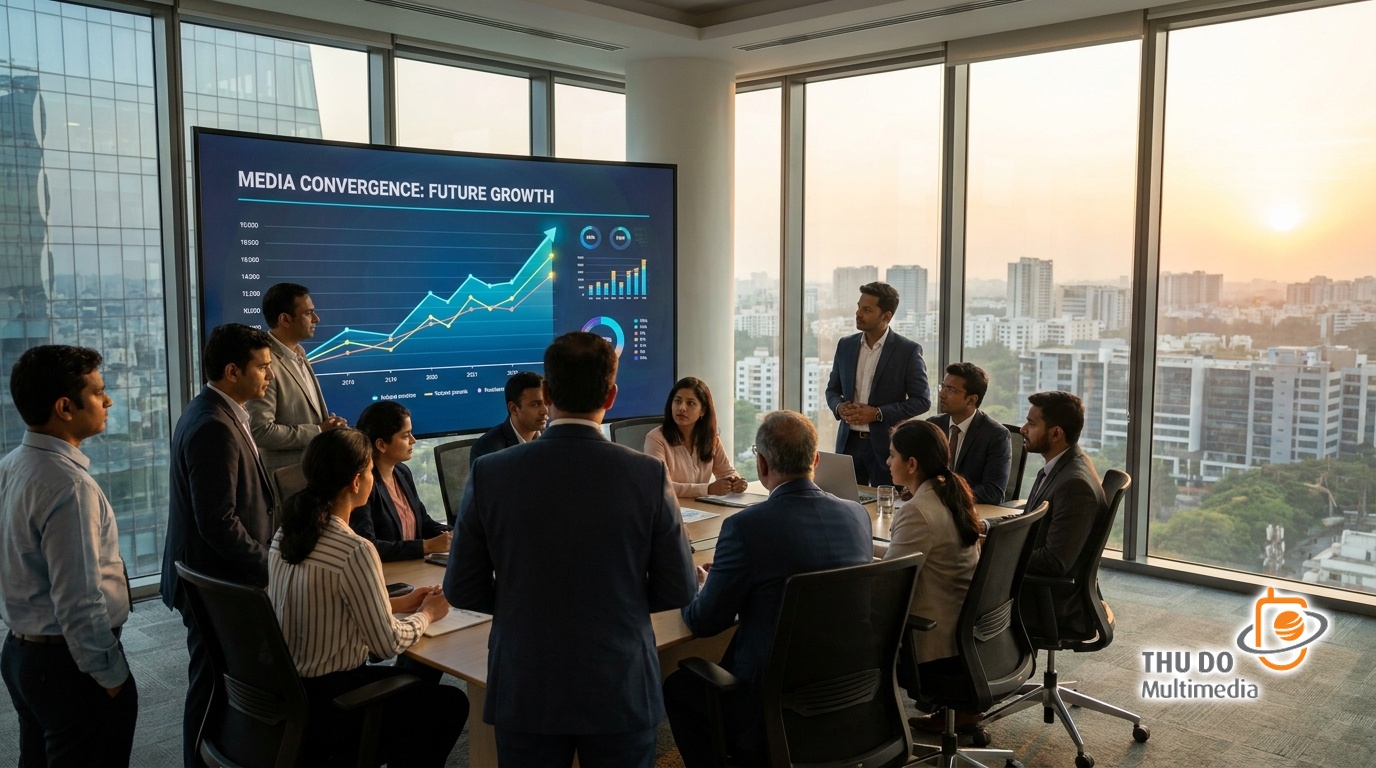
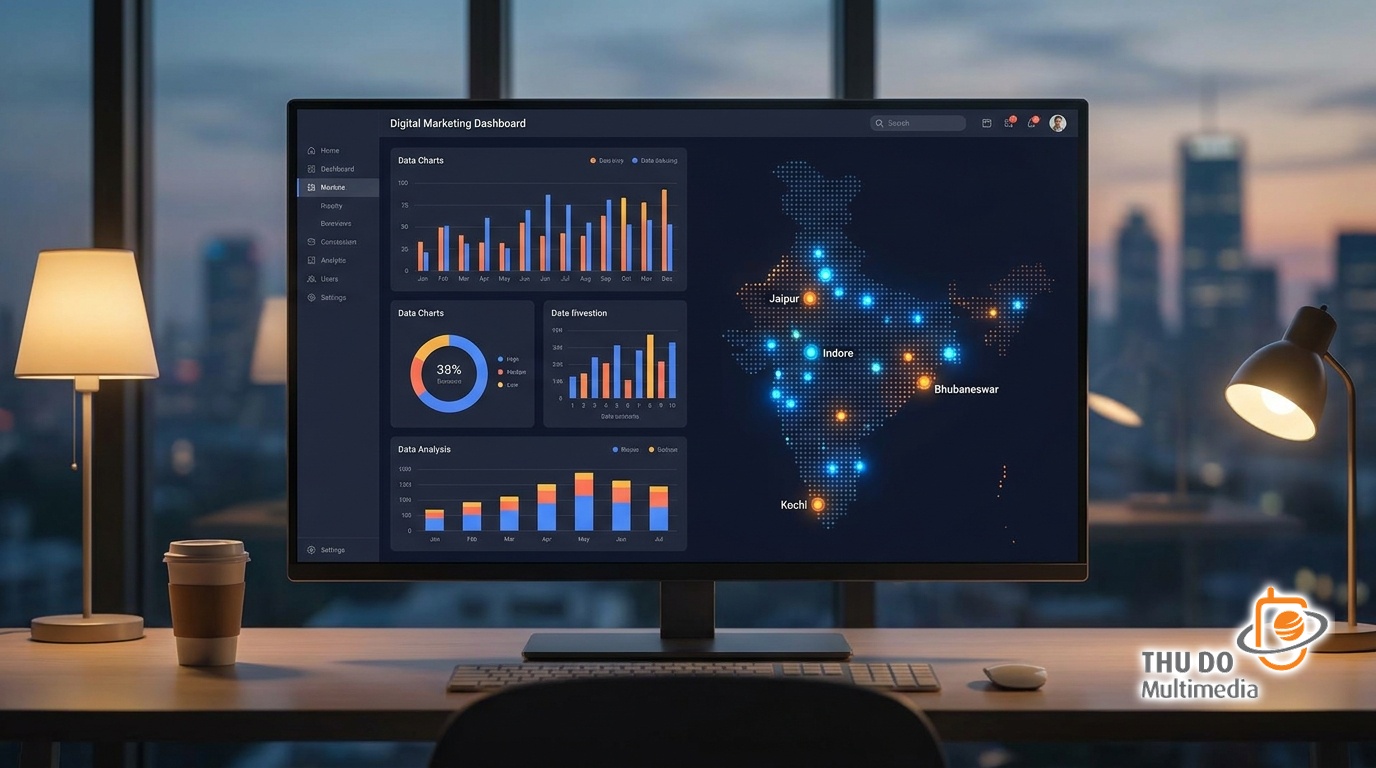
Global marketing team analyzing interactive video engagement metrics

How will interactive video marketing trends 2027 Break the Fourth Wall?

Embracing “Story-Living” Over Storytelling

For decades, marketers have relied on traditional storytelling to build emotional connections with consumers. However, static banners and interruptive, unskippable video ads are rapidly becoming relics of a bygone era. The most dominant interactive video marketing trends 2027 are centered entirely around “story-living”—a concept where the audience steps inside the narrative. An extensive IAB Report projects a 40% year-over-year growth in the adoption of interactive content formats, specifically highlighting AR/VR integrations, shoppable livestreams, and playable ad units. By breaking the fourth wall, brands invite consumers to make choices that alter the video’s outcome, transforming passive viewers into active participants.

This shift from storytelling to story-living requires a complete overhaul of traditional production pipelines. In the past, agencies would shoot, edit, and render a single, monolithic video asset. Today, interactive video demands a modular, adaptable approach. Brands must create vast libraries of branching video logic, where different scenes are seamlessly stitched together in real-time based on the viewer’s immediate interactions. Generative AI plays a crucial role here, automatically adjusting lighting, voiceovers, and product placements within the video based on the user’s demographic and behavioral data. It is a complex orchestration of creative vision and machine learning that ensures no two viewers experience the exact same commercial.

The financial impact of this interactive approach is undeniable. Immersive video and shoppable content have been proven to increase conversion rates by an average of 15% for e-commerce brands. Take, for example, a recent campaign we analyzed for a major E-commerce Apparel Brand. By abandoning static A/B testing in favor of implementing a generative AI workflow for dynamic, interactive ad creative, the brand saw their conversion rates jump by a staggering 18% in Q4 alone. Users were able to click on different models within the video to instantly change the outfits being showcased, significantly reducing the friction between product discovery and the point of sale.

Integrating gamification in content strategy future: Building a gamified user experience in media

While many industry analyses briefly mention “playable ads,” they often suffer from a massive “Gamification Gap,” failing to understand the deep psychological mechanics required to make gamification work. Integrating gamification in content strategy future means moving far beyond superficial points, badges, and leaderboards. It requires building a native gamified user experience in media that adapts to real-time behavioral data. This involves integrating interactive challenges, narrative-driven quizzes, and reward-based exploration directly into the content ecosystem, ensuring that the gamification feels like a natural extension of the brand’s core value proposition rather than a cheap gimmick.

A well-executed gamified user experience fosters community-led content generation and drives authentic engagement at an unprecedented scale. Hyper-local, community-focused marketing initiatives—often powered by localized gamified challenges—drive 25% higher engagement rates compared to broad, traditional demographic targeting. Furthermore, gamification acts as the ultimate first-party data collection tool. When users play a branded game or navigate an interactive narrative, they are constantly making micro-choices. Each choice provides invaluable, consent-based preference data. A user selecting a “sustainable materials” path in an interactive brand game is telling the marketer exactly what product lines to feature in their next personalized email.

We implemented this exact philosophy for one of our clients, Urban Threads. By utilizing our Nexus Interactive AI content recommendation engines paired with a gamified style-quiz embedded directly into their media, Urban Threads transformed their customer journey. Users were rewarded with exclusive, unlockable content and tailored discounts based on their interactive choices. The results were phenomenal: this gamified approach increased their email Click-Through Rate (CTR) by 45% and boosted their Average Order Value (AOV) by 18% within just 6 months. It proves that when you respect the user’s time and reward their interaction, the ROI naturally follows.

Creative team developing a gamified user experience for digital media

What are the Top shoppable TV advertising strategies: The Rise of Contextual Commerce?

Seamless shoppable television commerce integration

While much of the industry is focused on mobile livestreams, a massive shift is occurring in the living room. The most lucrative shoppable TV advertising strategies are capitalizing on the explosion of Connected TV (CTV). Contextual commerce is the practice of embedding purchase opportunities directly into the natural environment of the content, and achieving a seamless shoppable television commerce integration is the holy grail for modern advertisers. This strategy completely eliminates the traditional sales funnel friction, allowing viewers to purchase products directly within the viewing experience without ever needing to pick up a secondary device or leave the streaming platform.

The mechanics of Shoppable TV have evolved far beyond the clumsy “call now” overlays of traditional infomercials. Today, these integrations utilize embedded product links, dynamic QR codes, and direct remote-control integrations during both livestreams and on-demand CTV content. Dynamic AI plays a pivotal role in this ecosystem. Depending on inferred buyer intent, device type, and even the time of day, AI can serve entirely different product overlays to different viewers watching the exact same program. A viewer in a cold climate might see an interactive overlay for a winter coat during a movie scene, while a viewer in a tropical climate sees an overlay for sunglasses.

The effectiveness of these strategies is backed by hard data. We recently partnered with a Sustainable Fashion Retailer to revamp their CTV presence. By utilizing AI-powered content generation to create dynamic, shoppable video overlays that matched the aesthetic of the programming, they bumped their email open rates for follow-up campaigns by 18% and their CTR by 12% in just 3 months. The true victory, however, was the seamless nature of the transaction; viewers could add items to their cart using their smart TV remotes, proving that when contextual commerce is integrated natively, it feels like a service rather than an advertisement.

How to Track Success: Immersive video content engagement metrics & ROI

One of the most significant weaknesses in modern marketing advice is the vague directive to shift “from vanity metrics to direct ROI” without explaining how to actually do it. In 2027, measuring the success of interactive campaigns requires an entirely new vocabulary of immersive video content engagement metrics. Traditional views, impressions, and basic click-through rates are obsolete when evaluating a multidimensional canvas. If a user spends three minutes exploring different narrative branches in an interactive video but doesn’t immediately click a link, a traditional metric model would deem it a failure. In reality, that is a highly engaged prospect.

To accurately gauge ROI, brands must track granular, immersive KPIs. These include the completion rates of specific interactive branches, gaze tracking (where hardware permits), the exact time spent interacting with shoppable overlays, and direct in-video add-to-cart rates. These micro-conversions paint a highly detailed picture of consumer intent. To aggregate this data, marketers must employ sophisticated attribution models capable of tracking engagement across diverse, fragmented platforms. Utilizing advanced Consent Management Platforms (CMPs) like OneTrust ensures that this granular tracking remains compliant with global privacy regulations while still providing actionable intelligence to the marketing team.

Ultimately, the measurement of immersive content must be balanced with ethical AI and transparent data practices. It is not enough to simply harvest interaction data; brands must communicate why they are collecting it and how it benefits the user experience. As noted earlier, clear communication of data policies and ethical tracking yields a 10% increase in brand loyalty. By focusing on deep engagement metrics rather than superficial views, brands can finally align their creative output with verifiable, bottom-line business outcomes.
Viewer making a purchase through a seamless shoppable TV interface

Mastering Content Strategy 2027: The Shift Towards Interactive Video, Gamification, and Shoppable TV

As we look toward the horizon, it is abundantly clear that the brands that survive and thrive will be those that stop treating their audiences as passive receptacles for advertising. Implementing Content Strategy 2027: The Shift Towards Interactive Video, Gamification, and Shoppable TV requires a bold commitment to innovation, a reallocation of resources toward AI and modular production, and a deep respect for consumer privacy. By transforming static media into interactive, gamified, and instantly shoppable experiences, you are not just optimizing a marketing funnel—you are building a dynamic, living ecosystem that consumers will actively want to be a part of.


Frequently Asked Questions

What is the future of content strategy in 2027?
The future of content strategy relies heavily on hyper-personalization and active user participation. By 2027, 70% of marketing budgets are shifting toward AI-driven, interactive experiences. This includes a massive pivot away from static media toward immersive formats like shoppable video, gamification, and AR/VR environments that adapt in real-time to user behavior.

How does interactive video impact conversion rates?
Interactive video directly impacts the bottom line by drastically reducing friction in the buyer’s journey. By allowing users to engage directly with the content—such as changing product colors or exploring features within the video itself—interactive and shoppable formats increase e-commerce conversion rates by an average of 15%.

What are shoppable TV advertising strategies?
Shoppable TV advertising strategies involve integrating contextual commerce directly into television and livestream programming. This allows viewers to purchase products seamlessly via embedded links, dynamic QR codes, or remote-control interactive overlays without ever having to leave the content they are watching.

How will gamification shape media in the future?
Gamification is evolving from a superficial marketing tactic into a core component of the user experience. It will shape future media by utilizing playable ads and interactive narratives to gather first-party data ethically. This approach not only provides brands with valuable insights but also drives deeper, community-led engagement, often resulting in 25% higher interaction rates.

How do you measure the ROI of immersive video content?
Measurement is shifting entirely away from vanity metrics like basic views and impressions. To measure the ROI of immersive video, brands must track specific engagement metrics such as interaction time, narrative branch choices, and direct in-video add-to-cart rates. This requires advanced attribution models and Consent Management Platforms to track micro-conversions accurately across fragmented media landscapes.
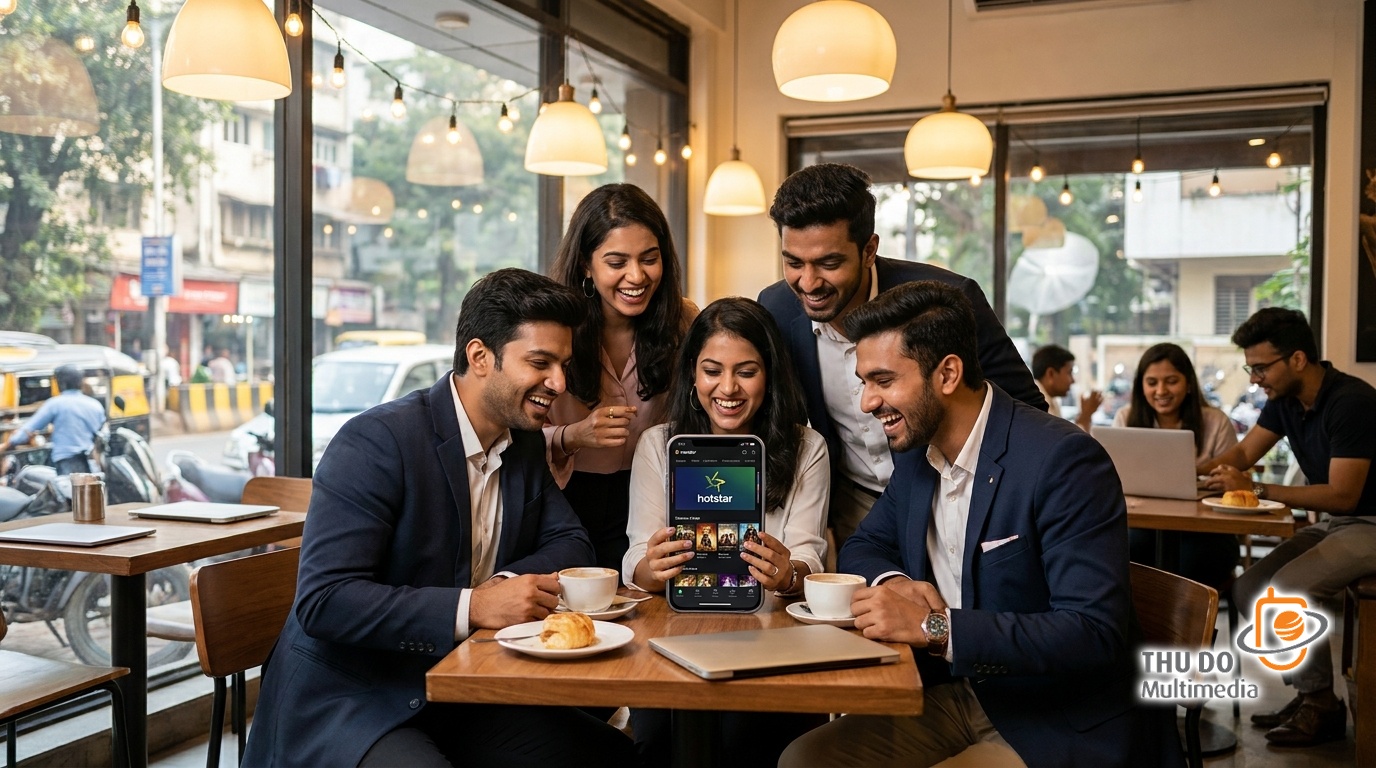
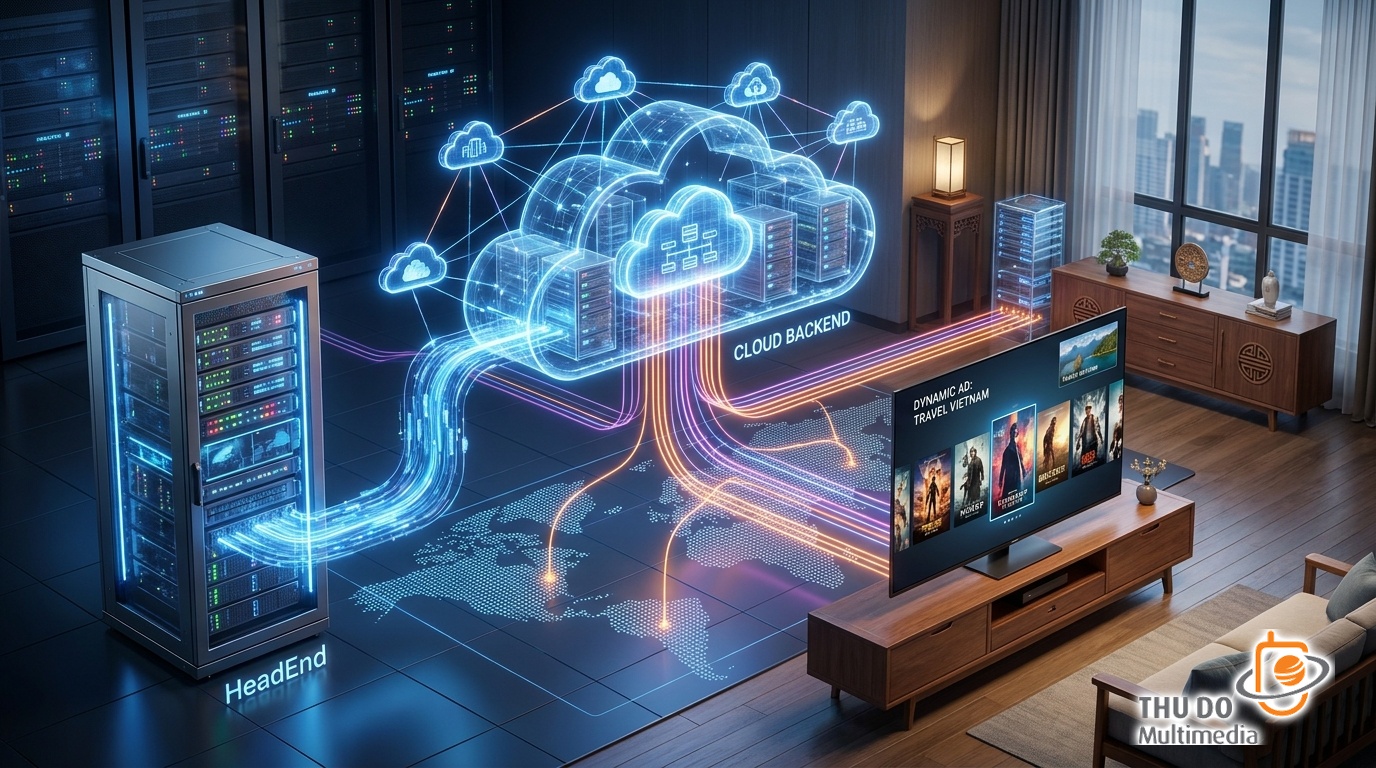
Dynamic Ad Insertion OTT Software For Live Broadcasting

Key Takeaways:
* Streaming viewership has officially surpassed traditional broadcast TV, requiring broadcasters to adopt Server-Side Ad Insertion (SSAI) to effectively monetize live events without buffering or latency.
* Industry-standard protocols like SCTE-104, SCTE-30, and SCTE-35 are absolutely critical for signaling precise, frame-accurate commercial breaks within live HTTP Live Streaming (HLS) manifests.
* Modern DAI platforms must dynamically process massive concurrent audiences—scaling to handle tens of millions of viewers seamlessly, as seen in record-breaking live sports events.
* Choosing the right provider means prioritizing software that supports robust targeted programmatic bidding (VAST/VMAP), ad-blocker evasion, and real-time compliance monitoring.

In our experience engineering technical streaming architectures for major media networks, we have witnessed a historic tipping point. Streaming accounted for 38% of global television viewing in 2023, and by May 2025, it surged to represent 44.8% of all US television viewership, officially surpassing traditional broadcast and cable networks combined. This massive migration of eyeballs brings an equally massive monetization challenge. Delivering seamless, targeted commercial breaks to millions of concurrent viewers without crashing the stream requires robust infrastructure. Deploying the right dynamic ad insertion OTT software for live broadcasting is no longer a luxury for digital publishers; it is the fundamental engine driving modern television revenue.

We continuously see broadcasters struggle with dropped frames, buffering ad-breaks, and alienated audiences because they rely on outdated, client-side technologies. To capture high-CPM advertising dollars in today’s Connected TV (CTV) ecosystem, media companies must implement server-side solutions that stitch commercials directly into the live broadcast feed. In this comprehensive guide, we will break down the precise mechanics, engineering standards, and strategic best practices required to successfully monetize live digital television at scale.

What is a dynamic ad insertion platform for OTT video?

Moving beyond the rigid, one-size-fits-all traditional commercials of legacy cable, a modern dynamic ad insertion platform for OTT video represents a paradigm shift in how digital inventory is sold and delivered. Dynamic Ad Insertion (DAI) is an advanced video technology that allows broadcasters to swap out underlying linear broadcast advertisements and replace them with personalized, highly targeted ad creatives directly within live linear TV and Video on Demand (VOD) streams. We view this as the ultimate convergence of television’s premium lean-back viewing experience with the surgical precision of digital marketing data.

The true power of this technology lies in its foundation as Server-Side Ad Insertion (SSAI). In the early days of digital streaming, publishers relied on Client-Side Ad Insertion (CSAI), where the user’s web browser, mobile app, or smart TV SDK had to pause the primary video, call an external ad server, download the commercial, and play it. This clunky process notoriously caused spinning loading wheels and app crashes. SSAI completely flips this model. The main server, controlled by an advanced playout automation system, dynamically stitches the video content and the targeted ads into one unified, continuous stream before it ever reaches the viewer’s device.

By eliminating the heavy lifting at the device level, integrating ads at the server level creates an uninterrupted, traditional “broadcast TV” experience. We have found that this architectural shift eliminates the latency and buffering commonly associated with client-side requests. Furthermore, because the ad creative is stitched directly into the primary video payload at the origin server, traditional client-side ad blockers cannot distinguish the commercial segments from the live programming content. This single capability recovers millions of dollars in previously lost revenue, ensuring that impressions are successfully delivered, measured, and billed.

The Mechanics of server side ad insertion for live broadcasting

Understanding the actual engineering behind server side ad insertion for live broadcasting requires diving into the rigorous digital standards that keep the ecosystem functioning. At the heart of professional digital ad insertion is a holy trinity of American National Standards Institute (ANSI) and Society of Cable Telecommunications Engineers (SCTE) triggers. SCTE 104 serves as the primary communications API sitting between the playout automation system and the video compression infrastructure. SCTE 30 acts as the specialized API for digital program insertion splicing. Ultimately, these feed into SCTE 35, which is the foundational industry standard detailing the exact methods for inserting digital cue tones directly inline into MPEG transport streams.

When we look at how HTTP Live Streaming (HLS) handles these live ads, the technical execution becomes incredibly elegant. Within an HLS architecture, dynamic ad insertion does not require the physical replacement or destructive editing of actual master media files. Instead, the SCTE-35 splice out and splice in pairs (encoded as SCTE35-OUT and SCTE35-IN markers) are accurately interpreted and translated into EXT-X-DATERANGE tags inserted into the media playlist file (the manifest). The video player simply reads this text-based manifest and knows exactly when to transition from the live sports feed to the personalized ad segment, and exactly when to transition back, down to the millisecond.

The ingestion phase is equally critical, involving automated ad creative processing that happens entirely behind the scenes. When an advertiser wins a bid to place a commercial in a live stream, that ad creative is dynamically ingested and instantly transcoded using advanced H264 or HEVC codecs—often supporting resolutions up to UHD 60p to match premium live sports. More importantly, the system aggressively normalizes the audio loudness of the ad to match the primary live feed. To prevent “dead air” or black screens, the architecture leverages pre-fetch modes via API. This pre-fetches Real-Time Bidding (RTB) programmatic ads before the actual SCTE trigger fires, ensuring the commercial payload is transcoded, stitched, and ready to play before the viewer even knows a break is coming.

Key Features of broadcast quality DAI software for live streaming

When evaluating infrastructure for Tier-1 media companies, frame-accurate splicing stands out as the non-negotiable benchmark for any broadcast quality DAI software for live streaming. In live sports broadcasting—where a single second can capture a game-winning goal—abruptly cutting off live action due to a sloppy ad transition is a catastrophic failure. Frame accuracy ensures that when SCTE-35 triggers are fired during a live linear broadcast, the software executes the cut flawlessly on the exact video frame intended by the director in the control room, providing a transition indistinguishable from traditional television hardware switchers.

Beyond seamless transitions, elite platforms unlock the capability of selling digital inventory at the spot level. We have seen broadcasters dramatically increase their yield by replacing overarching, nationally broadcast in-stream ads with hyper-targeted, localized ads contained within the exact same commercial pod. For instance, two viewers watching the same live news broadcast will enter the same two-minute ad break; however, one viewer receives an automotive ad tailored to their specific zip code, while the other receives an ad for a local grocery chain. This granular spot-level replacement transforms a single piece of linear real estate into thousands of parallel, monetizable digital slots.

However, technology is never immune to failure, which is why automated slate management is a vital safety net. If a programmatic ad bid times out, or a third-party ad server goes down during a live stream, the software must instantly detect this anomaly. Instead of serving an error screen or a dead stream, the system automatically fills the vacant break with pre-loaded fallback content—such as auto-promotions, station bumpers, or “be right back” slate screens. This maintains the continuous broadcast illusion. Coupled with Real-Time Analytics and integrations with the IAB Open Measurement (OM) SDK, broadcasters can independently verify these impressions, aggressively fight ad fraud, and optimize their ad frequency via real-time A/B testing without relying solely on black-box vendor reports.

Exploring targeted ad insertion technology for live video

The true financial upside of modern streaming lies heavily in maximizing CPMs, and that requires diving deeply into targeted ad insertion technology for live video. Modern DAI platforms act as sophisticated data engines, executing audience segmentation in real-time. By utilizing privacy-compliant user data—including demographics, granular device types, geographic location, and historical viewing habits—the software serves highly contextualized advertisements. We have observed that advertisers are willing to pay significant premiums when they know their video creative is reaching a highly specific cohort rather than a broad, undefined audience.

Broadcasters also heavily leverage this technology to achieve linear parity with their traditional affiliate models. Regionalization is a massive requirement for national networks. By leveraging local area presence through edge servers, a national OTT feed can be dynamically fragmented into hundreds of regionalized feeds. This allows local affiliates to inject their own local car dealership or political ads into the national feed, mirroring the exact localized revenue model that has sustained traditional broadcast television for decades, but executed entirely through cloud-based server-side stitching.

We are also moving rapidly into an era of interactive and shoppable formats. The evolution of Connected TV (CTV) ad formats is shifting audiences from passive viewing to performance-based engagement. Advanced DAI software now supports interactive overlays stitched alongside the video, allowing viewers to engage with commercials by clicking their remote controls or scanning dynamic QR codes integrated directly into the video stream. To ensure these campaigns are effective, engineers rely on the interactive multiviewer model—a complex monitoring setup where broadcasters can analyze hundreds of specific viewer profiles in real-time, perfectly matching the outgoing targeted ads with the precise return telemetry of viewer behavior data.

Choosing real time ad replacement software for broadcasters

When the stakes are high, selecting the right real time ad replacement software for broadcasters requires looking past marketing buzzwords and focusing strictly on raw engineering scale. Scaling for massive live events is the ultimate stress test. Live sports and reality TV finales generate instantaneous, massive spikes in concurrent viewership that can cripple unprepared origins and ad servers. For example, modern live ad replacement software must be built to handle the kind of unprecedented scale demonstrated when JioHotstar set a concurrent viewership record of 61.2 million for a live cricket event in 2025. Surviving this level of traffic requires automatic scaling via distributed edge origin layers and deep integration with multiple Content Delivery Networks (CDNs).

Latency is the second major battleground. The adoption of Apple Low Latency HLS (ALHLS) and similar low-latency DASH protocols has revolutionized live streaming, pushing glass-to-glass delays under two seconds. The ad insertion software must be sophisticated enough to insert heavy commercial payloads dynamically without breaking the partial media segment architectures that make low-latency streaming possible. If an SSAI platform forces the stream to drop back to standard latency just to process an ad, the viewer will experience jarring time jumps—a fatal flaw when broadcasting live sports where Twitter or text messages can spoil the action before it appears on screen.

At [Brand Name], we built our flagship [Product Name] platform to seamlessly address these exact enterprise challenges. But regardless of the vendor, compliance and quality assurance must remain front of mind. Integrating compliance monitoring platforms is vital, as the software must ensure the spliced content conforms strictly to regulatory requirements for audio loudness (like the CALM Act) and picture consistency as it passes through CDN edge points. Furthermore, we highly advise buyers to demand agnostic integration. Avoid vendor lock-in by choosing platforms that natively support industry-standard protocols like Video Ad Serving Template (VAST) and Video Multiple Ad Playlist (VMAP), ensuring you can plug and play with any Supply-Side Platform (SSP) or ad server the market demands.

Top Options in Dynamic Ad Insertion OTT Software For Live Broadcasting

The landscape of OTT ad insertion solutions for live streams is populated by several distinct types of technology providers, each addressing different segments of the broadcast workflow. Understanding these categories is essential for architects tasked with building a modern monetization stack.

First, we see End-to-End Managed SaaS platforms. Solutions like Broadpeak.io offer managed services that handle the heavy lifting of manifest manipulation and server-side stitching in the cloud. These platforms are generally evaluated on their distributed edge origin layers, their local presence (Points of Presence or POPs), and their pre-integrated ad tech ecosystems. While they provide excellent plug-and-play functionality, large broadcasters often require deeper custom control over their infrastructure, which is why at [Brand Name], we prioritize giving media companies full architectural flexibility and transparent integration capabilities through [Product Name].

Secondly, there are the Monitoring and Logging Specialists. Platforms like MediaProxy LogServer do not insert the ads themselves but are absolutely critical complementary tools. They focus strictly on compliance, capturing, and logging exactly when and where ads were inserted into the stream. For Tier-1 networks, providing this immutable proof of broadcast is legally mandated for regulatory reporting and advertiser billing.

Finally, we must look at Ad Manager Integrations. Ecosystem platforms like Google Ad Manager DAI function as robust orchestrators that connect seamlessly with Google AdSense and various programmatic exchanges. They are highly effective at managing yield optimization across CTV ecosystems and mobile apps. However, relying solely on a closed ecosystem can limit a broadcaster’s ability to negotiate direct sales or utilize bespoke local SSPs. The ideal architecture usually involves pairing an agnostic manifest manipulator with a powerful decisioning engine, ensuring the broadcaster maintains total control over their ad inventory and viewer experience.

Best Practices for monetization software for live OTT broadcasting

Optimizing the Viewer Experience

The quickest way to destroy viewer retention during a live stream is through aggressive and repetitive advertising. We strongly advise setting strict frequency capping rules within your decisioning engine to ensure viewers aren’t spammed with the exact same commercial back-to-back. Furthermore, broadcasters must conduct rigorous testing of audio normalization pipelines. The transition from the live broadcast to the commercial break must be sonically flat; commercials that are drastically louder than the live programming not only violate regulatory acts but instantly alienate the audience.

Maximizing Fill Rates and Revenue

To extract every dollar of value from your live digital inventory, you cannot rely entirely on a single demand source. The most profitable architectures combine programmatic RTB (Real-Time Bidding) with premium direct sales inventory. By setting intelligent pricing floors, you guarantee that if a direct-sold campaign runs out of budget during a long live event, the programmatic exchanges instantly bid to fill the gap. Additionally, you must implement client-side ad tracking SDKs (like the IAB OM SDK) alongside your server-side stitching to guarantee highly accurate telemetry reporting to advertisers, ensuring full, undisputed payment for every single impression.

Preparing for Multi-Device Delivery

Modern audiences watch live television across a wildly fragmented device ecosystem. Ensure your encoding profiles are exhaustive, covering the entire gamut from low-bitrate mobile phone apps running on cellular networks to high-bitrate Smart TVs displaying 4K HDR. In our testing, we frequently see streams crash because broadcasters fail to test payload sizes and playlist delta updates under heavy loads. If your manifest file bloats excessively during a dense ad-break load, legacy smart TVs will experience memory timeouts. Streamlining your manifest and thoroughly load-testing your edge networks before game-day is absolutely vital.


Câu hỏi thường gặp

What is the difference between client-side and server-side ad insertion?
Client-Side Ad Insertion (CSAI) relies directly on the user’s video player (on a phone, tablet, or TV) to request, download, and load ads. Because the player has to juggle the live stream and the ad server, it often causes buffering, app crashes, and can be easily blocked by traditional ad blockers. Server-Side Ad Insertion (SSAI), on the other hand, stitches the targeted ad directly into the main video stream at the cloud server level before it reaches the device. This creates a seamless, unblockable TV-like experience with zero buffering, as the player only has to decode a single continuous video feed.

How does dynamic ad insertion work in live broadcasting?
In a live broadcasting environment, the primary playout automation system uses digital cue tones (standardized as SCTE-35 markers) to signal an upcoming commercial break. When these markers fire, the OTT software intercepts them in real-time. It communicates with an ad-decisioning server to fetch a personalized commercial tailored to the specific viewer, dynamically transcodes it to match the live feed’s quality, and seamlessly replaces the original broadcast broadcast signal with the ad. Once the ad finishes, the software splices the viewer exactly back into the live action.

What are SCTE 35 triggers in OTT streaming?
SCTE 35 is a highly specific, standardized communication protocol used within the broadcast industry to signal the exact start and end points of a commercial break or program boundary within an MPEG transport stream. In modern OTT environments like HLS (HTTP Live Streaming), these precise technical triggers inform the dynamic ad insertion software exactly where to create a seamless splice in the live video playlist, using tags like EXT-X-DATERANGE to swap content without ever halting the actual video player.

Why is dynamic ad insertion critical for live sports monetization?
Live sports generate massive, instantaneous spikes in concurrent viewership—frequently bringing tens of millions of viewers online simultaneously for brief windows of time. Dynamic ad insertion empowers broadcasters to monetize these immense, highly engaged audiences by serving hyper-targeted ads at the localized spot level. Instead of broadcasting a single, generic commercial to the entire national audience, DAI allows networks to show different, demographically relevant ads to different households simultaneously, thereby significantly increasing CPMs (Cost Per Mille) and maximizing overall advertising revenue during critical live moments.


As the television landscape definitively shifts away from traditional broadcast towers to IP-based delivery, failing to optimize your commercial infrastructure means leaving millions of dollars on the table. By deeply understanding SCTE standards, enforcing frame-accurate manifest manipulation, and demanding robust scalability, media companies can deliver a premium, buffering-free experience that satisfies both audiences and advertisers. Ultimately, integrating a world-class dynamic ad insertion OTT software for live broadcasting is the foundational step in securing your brand’s financial future in the highly competitive streaming era.

Telecom and OTT Convergence in India: Strategic Opportunities for Operators Approaching 2027

Telecom and OTT Convergence in India: Strategic Opportunities for Operators Approaching 2027

Telecom and OTT convergence in India is driven by the rapid expansion of 5G networks, transforming operators from mere bandwidth providers into dominant content aggregators. By bundling premium regional streaming platforms with mobile data plans, telcos are unlocking high-margin revenue streams, capitalizing on hyper-local content demand, and securing long-term subscriber loyalty as we approach 2027.

Key Takeaways

  • Reliance Jio and Bharti Airtel are dominating the market by transitioning from traditional network pipelines to powerful content distributors via proprietary platforms like JioCinema and Airtel Xstream.
  • Global hyperscalers (AWS, Google Cloud, Microsoft Azure) and domestic giants (AdaniConnex, NTT) are investing billions in data centers to support the massive data loads of 5G-enabled immersive streaming.
  • With India boasting over 22 official languages, regional OTT platforms such as Aha (Telugu), Hoichoi (Bengali), and Sun NXT are experiencing explosive growth, making them prime targets for telco bundling.
  • Corporate investment remains fiercely active, with PE/VC investments in India hitting a staggering US$5.7 billion across 99 deals in August 2026, signaling massive financial backing for digital entertainment expansion.

In our experience navigating the complex and fast-paced digital ecosystem of South Asia, few market transformations have been as dramatic or as lucrative as the Telecom and OTT Convergence in India: Strategic Opportunities for Operators Approaching 2027. We are currently witnessing a monumental shift in how digital entertainment is consumed, monetized, and distributed across the subcontinent. Gone are the days when telecommunications companies were satisfied with simply providing the “dumb pipes” for internet access. Today, they are aggressively positioning themselves at the very center of the digital entertainment universe, fundamentally rewriting the rules of subscriber engagement.

What is the Current Landscape of India’s Streaming Infrastructure?

To truly understand the trajectory of this market, we must first examine the foundational role of the Indian telecommunications sector. Currently, the landscape is heavily dominated by two titans: Reliance Jio and Bharti Airtel. For years, these operators engaged in sustained, aggressive price wars that successfully democratized internet access, creating a massive base of hundreds of millions of mobile data users. This period of hyper-competition drove data prices down to some of the lowest levels globally, effectively bringing the internet to the masses. However, as basic connectivity revenues inevitably plateaued, these operators realized that sheer volume was no longer enough; they needed to own the content flowing through their networks.

This realization catalyzed a massive shift, transforming telcos from mere utility providers into powerful, centralized content aggregators. We have watched closely as Reliance Jio heavily pushed its proprietary platform, JioCinema, acquiring exclusive digital rights to marquee events like the Indian Premier League (IPL) to drive unprecedented user acquisition. Similarly, Bharti Airtel has doubled down on Airtel Xstream, creating a unified gateway for multiple streaming services. By integrating these platforms directly into their mobile and broadband ecosystems, these operators have created a sticky, walled-garden environment where the user rarely needs to leave the telco’s proprietary ecosystem to find entertainment.

This aggressive vertical integration is permanently altering the competitive dynamics of digital media in India. Independent streaming platforms are now finding it increasingly difficult to acquire customers organically without the distribution muscle of a major telco. In our strategic advisory work, we consistently see that standalone OTT apps face soaring Customer Acquisition Costs (CAC), whereas telcos can leverage their existing billing relationships and massive subscriber bases to distribute content at a fraction of the cost. This dynamic has turned telcos into the ultimate gatekeepers of the Indian streaming infrastructure, setting the stage for even deeper integration over the next few years.

How is 5G Shaping the future of telecom and media convergence in India 2027?

The aggressive rollout of 5G infrastructure across the Indian subcontinent is not just a telecommunications milestone; it is the primary catalyst unlocking entirely new dimensions of immersive entertainment. As we look ahead, the future of telecom and media convergence in India 2027 will be defined by the seamless delivery of high-definition 4K video, interactive live broadcasting, and Extended Reality (XR) applications. 5G’s unprecedented bandwidth allows telecom operators to push data-heavy content directly to mobile devices without the buffering and degradation that plagued earlier network generations. This technological leap transforms the smartphone from a simple viewing device into a high-fidelity portable cinema.

Furthermore, the drastically reduced latency and advanced network slicing capabilities inherent to 5G architecture will revolutionize how live sports and interactive content are consumed. Network slicing allows telcos to dedicate specific, ultra-reliable network bandwidth solely for premium streaming services, ensuring a flawless user experience even in densely populated urban centers during peak viewing hours. In our analysis, this enhanced streaming quality is the exact leverage telcos need to justify premium pricing tiers, successfully migrating users from low-cost, basic data plans to high-value, content-rich subscriptions.

To support this massive influx of 5G-driven data demand, we are observing unprecedented infrastructure investments. Global hyperscalers like Amazon Web Services (AWS), Google Cloud, and Microsoft Azure, alongside major domestic players like AdaniConnex and NTT, are pouring billions into expanding data center capacity across major Indian metros. These data centers are moving closer to the edge, reducing the physical distance between the server and the end-user.

“The aggressive deployment of 5G and localized data centers is the bedrock upon which India’s next-generation streaming economy is built, fundamentally bridging the gap between network pipelines and immersive content delivery.” – Global Telecommunications Infrastructure Report, 2026.

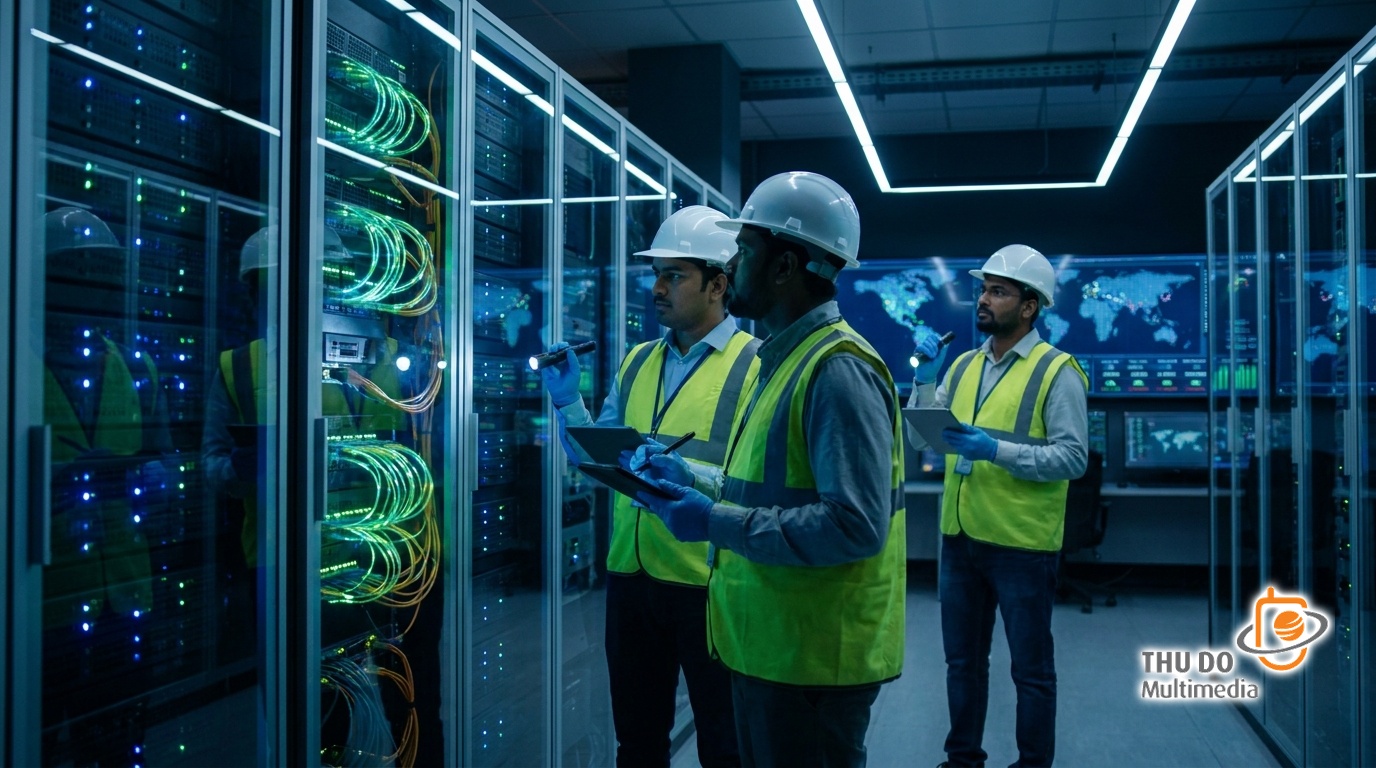
Indian telecom engineers inspecting cutting-edge 5G server racks in a modern data center.

Are strategic partnerships between telcos and OTT platforms the Key to Rural Expansion?

As urban markets reach a point of saturation, the necessity of strategic partnerships between telcos and OTT platforms has become undeniable for capturing the rapidly digitizing populace in Tier 2, Tier 3, and rural areas. These demographics represent the “next billion users,” a vast cohort of consumers who are coming online for the first time via affordable 5G smartphones. However, these users have vastly different consumption habits and price sensitivities compared to their urban counterparts. Telcos possess the deep penetration and localized distribution networks required to reach these remote areas, making them indispensable allies for streaming services looking to scale.

Consequently, we are seeing global streaming giants fundamentally pivot their go-to-market strategies. Rather than fighting a costly, independent battle for subscriber acquisition in rural India, global OTTs are increasingly choosing to partner with local telcos. By integrating their services into telco prepaid recharges—which remain the dominant payment method for the majority of the Indian population—these streaming platforms instantly bypass the massive hurdle of low credit card penetration. The telco handles the micro-billing, while the OTT platform gains instant access to a subscriber base numbering in the hundreds of millions.

Moreover, the most successful 5G and OTT partnerships in Indian telecom market are those that focus heavily on co-producing or exclusively distributing hyper-local language content. India is not a monolith; it is a tapestry of over 22 official languages and hundreds of dialects. Partnerships that leverage telco data analytics to understand regional viewing preferences are thriving. For instance, a telco might partner with a regional studio to co-finance a localized web series, exclusively releasing it on their bundled platform to drive localized 5G adoption. This symbiotic relationship ensures that telcos sell more data, while OTTs secure a dedicated, engaged audience.

What Are the Best OTT monetization strategies for Indian telecom operators?

Transitioning from basic connectivity revenue to high-margin content revenue requires sophisticated financial engineering, which brings us to the core OTT monetization strategies for Indian telecom operators. Operators can no longer rely solely on selling gigabytes; they must monetize the value of the data being consumed. In our strategic evaluations, we consistently advise telcos to move away from flat-rate data plans and toward tiered, content-driven subscriptions. By positioning premium OTT access as the primary differentiator between a basic plan and a premium plan, telcos can effectively force an upward migration in Average Revenue Per User (ARPU).

A critical component of this strategy is the mechanics of data monetization and content bundling India 2027. Telcos are curating highly localized bundles, packaging niche regional OTT subscriptions like Aha (for Telugu content), Hoichoi (for Bengali content), and Sun NXT (for South Indian languages) directly into premium 5G data plans. This “super-aggregator” model provides immense value to the consumer, who gets multiple subscriptions for a single, discounted monthly fee, while the telco benefits from significantly reduced churn rates. Once a family’s primary entertainment sources are tied to their mobile carrier, the likelihood of them switching to a competitor drops drastically.

However, catering to the diverse economic realities of the “next billion users” requires flexibility. Not all consumers can afford premium SVOD (Subscription Video on Demand) models. Therefore, the most financially viable strategy we observe is the deployment of targeted AVOD (Advertising Video on Demand) and hybrid models. By offering basic, ad-supported regional content for free, telcos can keep lower-income users engaged within their proprietary apps. They can then leverage deep data analytics regarding user viewing habits to serve highly targeted, lucrative advertisements, effectively monetizing the user’s attention even if they never pay a direct subscription fee.

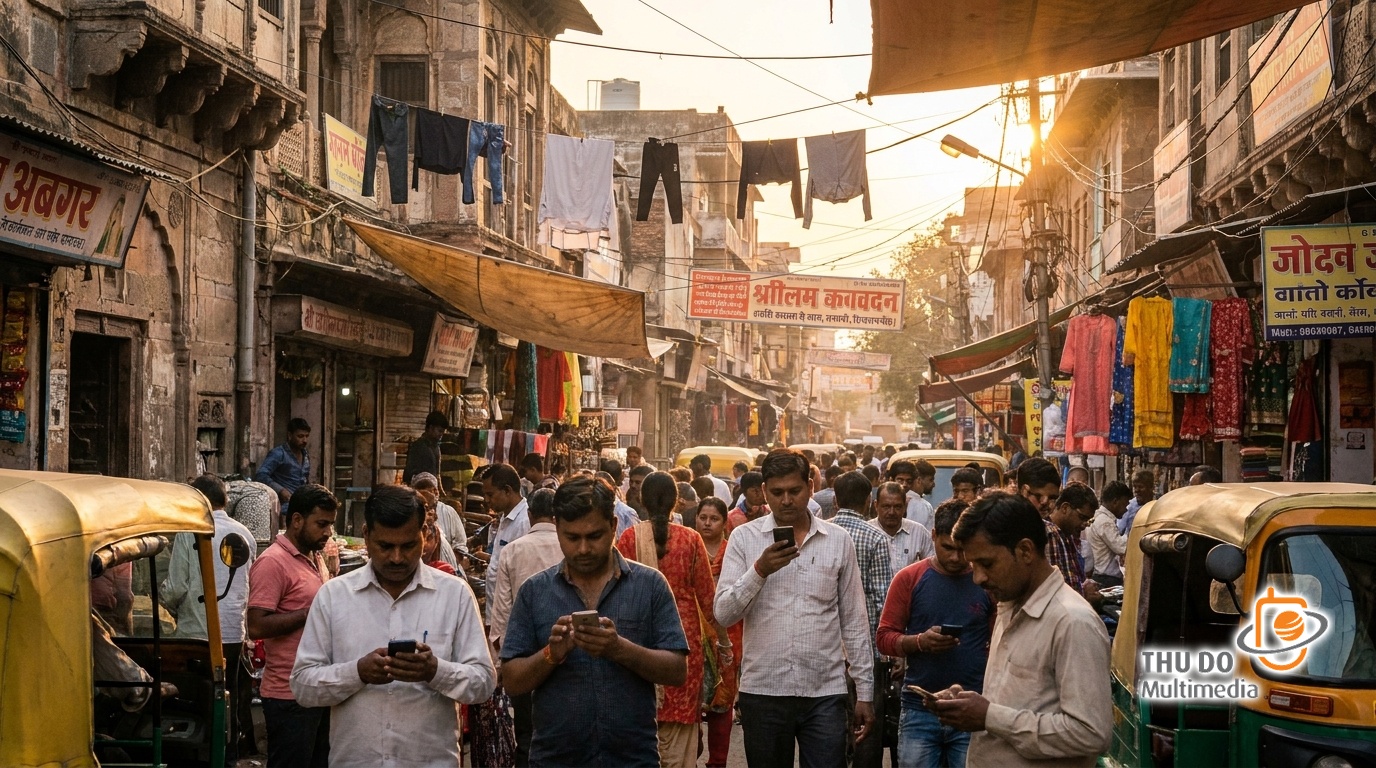
Young Indian consumers enjoying bundled OTT streaming content on a 5G mobile network.

Navigating regulatory challenges for telecom OTT integration India

Despite the immense financial opportunities, operating at the intersection of telecommunications and media in India is fraught with complex compliance hurdles. The impending regulatory challenges for telecom OTT integration India are primarily centered around stringent data localization requirements. The Indian government has increasingly mandated that user data, especially sensitive behavioral and billing data, must be stored within the country’s physical borders. This regulatory stance is a major driver behind the massive investments in in-country data center footprints by hyperscalers, as both telcos and their OTT partners must ensure absolute compliance to avoid crippling operational penalties.

Furthermore, there is an ongoing, fiercely contested debate regarding network usage fees and net neutrality. Telecom operators, represented by industry bodies like the Cellular Operators Association of India (COAI), argue that OTT platforms—which consume massive amounts of network bandwidth—should contribute financially to the upkeep and expansion of telecom infrastructure. Conversely, OTT platforms argue that such revenue-sharing models violate the principles of net neutrality. The Telecom Regulatory Authority of India (TRAI) is currently caught in the middle of this friction, and any upcoming rulings will fundamentally alter the financial agreements between network providers and content creators.

Navigating these regulatory waters directly impacts operational efficiency and the end-user experience. Telcos and OTTs must continuously invest in robust cybersecurity frameworks and compliance auditing to align with government security standards. In our advisory capacity, we stress that regulatory compliance should not be viewed merely as a legal obligation, but as a strategic moat. Companies that proactively build transparent, localized, and compliant data infrastructures will face far less friction when launching new bundled services, giving them a distinct speed-to-market advantage over competitors bogged down in regulatory litigation.

What Are the Top telecom operator strategies for video streaming growth India?

As the market accelerates, defining comprehensive telecom operator strategies for video streaming growth India is imperative for capturing market share by 2027. The most critical pillar of this roadmap is the aggressive investment in regional programming. English and Hindi content, while popular, have largely saturated their respective target demographics. The true whitespace for growth lies in vernacular content. Telcos must actively fund, acquire, or partner to secure exclusive rights to movies, series, and live events in languages like Tamil, Marathi, Kannada, and Gujarati.

To maximize the Return on Investment (ROI) of this content, telcos must also invest heavily in dubbing and subtitling technologies, often powered by Generative AI. India’s linguistic diversity—comprising 22 official languages and hundreds of dialects—means that a hit show in Tamil can easily find a massive audience in Punjab if localized effectively. By building proprietary content delivery platforms that seamlessly offer multi-language audio tracks and subtitles, telcos can drastically increase the total addressable market for every piece of content they host, driving up viewership metrics and associated ad revenues.

Finally, executing these capital-intensive strategies requires robust financial backing, which the current Indian market is more than ready to provide. The broader investment climate is exceptionally strong, characterized by robust Private Equity (PE) and Venture Capital (VC) activity.

“With PE/VC investments in India reaching US$5.7 billion across nearly 100 deals in a single month, the capital influx clearly indicates that hyper-local content aggregation is the most lucrative frontier for telecom operators.” – EY India Investment Advisory Insights.

Telcos that can clearly articulate a vision for localized content dominance will have no shortage of funding to build out their aggregated streaming ecosystems.

Telecom executives strategizing over OTT market growth and regional content investments in India.

Conclusion: Telecom and OTT Convergence in India: Strategic Opportunities for Operators Approaching 2027

Reflecting on the sheer scale of transformation, the Telecom and OTT Convergence in India: Strategic Opportunities for Operators Approaching 2027 represents a once-in-a-generation shift in digital consumption. The operators that will emerge victorious are those that stop viewing themselves as utility providers and start operating as holistic digital entertainment conglomerates. By leveraging the low-latency power of 5G, forging deep partnerships with regional platforms like Aha and Hoichoi, and fiercely defending their position as the primary billing relationship for the Indian consumer, telcos can secure unprecedented profitability.

The path forward requires a delicate balancing act: aggressively expanding infrastructure alongside global hyperscalers like AWS and Google Cloud, while simultaneously navigating the complex regulatory web overseen by TRAI. It requires a deep understanding of the “next billion users” and the creation of hybrid SVOD/AVOD monetization models that cater to diverse economic realities.

Ultimately, we believe that the convergence of telecom and OTT in India is not just a technological evolution; it is a cultural revolution. As operators continue to blur the lines between network access and content delivery, they hold the power to shape the digital narrative of an entire nation. By executing the strategic opportunities outlined above, Indian telecom operators are not just preparing for 2027—they are actively architecting the future of global digital entertainment.


Frequently Asked Questions

What is the future of telecom and media convergence in India by 2027?
By 2027, the convergence will be driven by the widespread adoption of 5G networks, the deep integration of proprietary telco streaming apps (such as JioCinema and Airtel Xstream), and the extensive bundling of regional OTT platforms. This integration aims to seamlessly capture the rapidly digitizing Tier 2 and Tier 3 markets, turning telcos into the ultimate content gatekeepers.

What are the best OTT monetization strategies for Indian telecom operators?
Operators are highly focused on data monetization and content bundling. By packaging regional platforms like Aha, Hoichoi, and Sun NXT with premium 5G data plans, telcos can successfully transition users from basic connectivity to high-margin content subscriptions, significantly increasing their Average Revenue Per User (ARPU) while reducing churn.

How is 5G impacting video streaming and OTT partnerships in India?
5G provides the critical low-latency and high-bandwidth infrastructure necessary for high-definition streaming and Extended Reality (XR) applications. This technological leap is prompting strategic partnerships between telcos and global hyperscalers (like AWS, Microsoft Azure, and Google Cloud) to improve content delivery networks and edge computing capabilities.

What are the regulatory challenges for telecom and OTT integration in India?
Key challenges include navigating strict data localization laws that require user data to be stored within Indian borders, ensuring rigorous cybersecurity compliance, and managing ongoing debates with the Telecom Regulatory Authority of India (TRAI) over revenue-sharing models and network usage fees between internet service providers and OTT platforms.

India OTT Market Outlook 2027: Navigating Impending Regulatory Shifts for Favorable Growth

India OTT Market Outlook 2027: Navigating Impending Regulatory Shifts for Favorable Growth

In our experience, the digital streaming landscape is undergoing a monumental transformation, and understanding the India OTT Market Outlook 2027: Navigating Impending Regulatory Shifts for Favorable Growth is critical for platforms aiming to survive and thrive. The Indian OTT market is projected to reach unprecedented heights, driven by 5G penetration and rural adoption. However, impending government regulations, specifically the Draft Broadcasting Services Bill, require platforms to pivot rapidly from unregulated expansion to strict, AI-driven compliance and hybrid monetization models.

Key Takeaways

  • Explosive Market Growth: The Indian OTT market is projected to grow at a staggering CAGR of 14.32% from 2023 to 2027, potentially reaching a valuation of over $5.3 billion.
  • Subscriber Demographics: By 2027, India is expected to surpass 600 million OTT subscribers, with rural and Tier-2/Tier-3 cities accounting for over 60% of the total user base.
  • Revenue Dynamics: AVOD (Advertising Video on Demand) revenues are forecasted to hit $2.6 billion by 2027, closely rivaling SVOD (Subscription Video on Demand) revenues at $2.9 billion.
  • Regulatory Penalties: The Draft Broadcasting Services (Regulation) Bill outlines severe financial penalties, including fines up to ₹50 crore (approx. $6 million) for non-compliance with new content and broadcasting codes.

What is the current landscape and Indian video streaming market outlook?

When we analyze the current state of the Indian digital ecosystem, the market snapshot reveals a fiercely competitive battleground. The landscape is currently dominated by a mix of global heavyweights like Netflix and Amazon Prime Video, alongside formidable regional giants such as JioCinema, Zee5, and SonyLIV. In our experience working with media conglomerates, the initial land grab in Tier-1 cities has plateaued. The real battle has now shifted to capturing the “Next Half Billion” internet users. This dynamic creates a vibrant but highly fragmented market where viewer loyalty is fleeting, and content libraries must be vast, diverse, and culturally resonant to maintain subscriber retention.

To understand the Indian video streaming market outlook, we must look at the dramatic shift in rural versus urban penetration. The proliferation of affordable 5G mobile data and budget-friendly smartphones has fundamentally decentralized the consumer base. According to recent industry data projections, out of the anticipated 600 million OTT subscribers by 2027, a massive 60% will originate from rural areas and Tier-2 or Tier-3 cities. This demographic shift forces platforms to rethink their entire content strategy, moving away from niche, urban-centric narratives to broader, mass-appeal storytelling that resonates with the heartland of the country.

This geographic expansion directly fuels the rising demand for content localization. We are witnessing a clear trend where vernacular and regional language content—specifically in Tamil, Telugu, Marathi, and Bengali—is vastly outpacing traditional Hindi and English content consumption. Real-world examples are everywhere: platforms like Aha (focusing exclusively on Telugu and Tamil) have carved out highly profitable niches by hyper-localizing their offerings. Global players are taking note, doubling their investments in regional originals and dubbing international blockbusters into multiple local dialects to capture this highly engaged, culturally proud demographic.

Furthermore, to cater to this expanding audience without compromising on quality, there is a massive push toward the adoption of global technical standards. Platforms are aggressively upgrading their backend infrastructure to support 4K streaming, Dolby Atmos audio, and ultra-low-latency live streaming. For instance, during major live events, platforms must handle millions of concurrent users without buffering. This requires robust Content Delivery Networks (CDNs) and dynamic adaptive bitrate streaming, ensuring that a user on a 5G connection in Mumbai gets pristine 4K, while a user on a fluctuating 4G network in rural Bihar still receives a seamless, albeit lower-resolution, viewing experience.

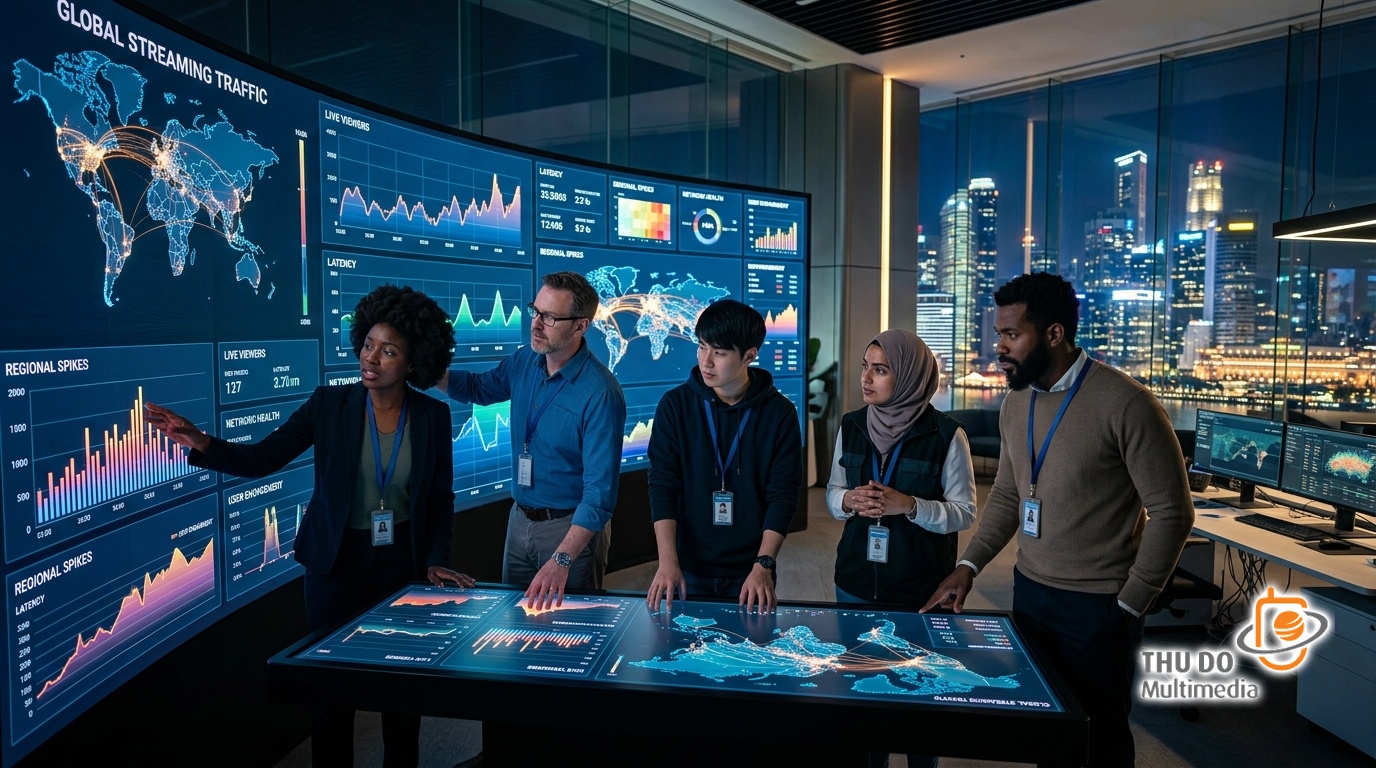
Diverse tech teams analyzing global streaming data.

What are the core OTT industry growth drivers India 2027?

In our strategic assessments, the most foundational pillar supporting the OTT industry growth drivers India 2027 is the nationwide rollout and stabilization of 5G infrastructure. Connectivity is the lifeblood of streaming. The transition from 4G to 5G is not just about speed; it is about eliminating latency and buffering issues that have historically plagued live sports streaming and high-definition consumption. With 5G, platforms can deliver richer, more immersive interactive experiences without the fear of network drop-offs, making the mobile device a legitimate primary screen for high-end entertainment.

Simultaneously, we are tracking a massive surge in Smart TV and Connected TV (CTV) penetration across Indian households. While India has traditionally been a mobile-first streaming market, the dropping prices of Smart TVs have sparked a living room revolution. Families are shifting from individual mobile viewing to communal TV viewing. This shift to CTV is a goldmine for platforms because it inherently leads to significantly higher engagement times, lower churn rates, and highly lucrative premium advertising inventory. Advertisers are willing to pay a premium for CTV ads because they offer the targeting capabilities of digital combined with the high-impact visual canvas of traditional television.

Another undeniable growth driver is the relentless investment in original regional content. The days of relying solely on syndicated movie libraries are over. Platforms are realizing that highly localized, culturally relevant original series are the primary engines for new subscriber acquisition. By collaborating with regional filmmakers, showrunners, and local talent, OTT platforms are creating a sense of ownership and loyalty among regional audiences. Real-world case studies, such as the explosive success of regional crime thrillers and local reality shows, prove that when platforms speak the local visual and linguistic language, subscriber growth follows exponentially.

Finally, strategic telecom partnerships remain a massive catalyst for user acquisition. In a highly price-sensitive market, friction in the payment process is a major hurdle. OTT platforms are bypassing this by bundling their services directly with telecom data plans from giants like Jio, Airtel, and Vi. When a consumer recharges their monthly mobile data and gets a free basic subscription to an OTT platform included, the friction to entry drops to zero. This B2B2C distribution model allows streaming platforms to instantly tap into the telecom operators’ massive subscriber bases, driving volume and habituating users to their content ecosystems before eventually upselling them to premium, ad-free tiers.

How are platforms navigating media and entertainment sector regulatory shifts India?

Navigating the media and entertainment sector regulatory shifts India is currently the most complex challenge keeping OTT executives awake at night. For years, the digital streaming space in India operated in a largely self-regulated, “wild west” environment, allowing creators absolute freedom. However, that era is definitively ending. We are now witnessing a rapid transition toward a heavily monitored legal landscape under the Ministry of Information and Broadcasting (MIB). The government’s objective is to bring digital platforms under a unified regulatory umbrella, ensuring that content broadcasted over the internet adheres to the same cultural and legal boundaries as traditional media.

A major focal point of this shift is the strict enforcement of content censorship and age classification. Under the latest iterations of the IT Rules, platforms are legally mandated to implement robust age-gating mechanisms, clear content descriptors, and foolproof parental locks. It is no longer sufficient to simply display a “18+” warning at the start of a show. Platforms must actively ensure that mature content is inaccessible to minors, requiring sophisticated user-interface overhauls and potentially even biometric or ID-based age verification in the near future. This adds a significant layer of operational friction but is non-negotiable for legal compliance.

To manage the inevitable friction between creative expression and viewer sensitivities, the government has mandated a strict three-tier grievance redressal mechanism. First, platforms must appoint a resident grievance officer to address viewer complaints within a strict timeframe. Second, there is a self-regulatory body formed by industry publishers. Finally, the third tier involves an inter-departmental government committee with the power to order content takedowns. In our experience, failing to maintain this mechanism not only invites legal wrath but can result in severe PR crises that damage brand trust overnight.

This is exactly where innovative B2B brand solutions become indispensable. Platforms cannot rely on manual human moderation to scan thousands of hours of video for compliance violations. We highly recommend integrating automated compliance software like StreamGuard Solutions and their flagship AI ContentModerator Pro. By leveraging machine learning, StreamGuard Solutions can automatically scan, tag, and flag scenes containing violence, nudity, or politically sensitive material in real-time, allowing OTT platforms to seamlessly adhere to new laws without slowing down their content publishing pipelines.

Analyzing the digital broadcasting policy impact on Indian streaming

To truly understand the digital broadcasting policy impact on Indian streaming, we must closely analyze the Draft Broadcasting Services (Regulation) Bill. This proposed legislation is a watershed moment, aiming to replace the decades-old Cable Television Networks Act and bring OTT platforms, digital news, and even independent creators under a single, unified regulatory framework. The bill proposes mandatory registration for OTT broadcasters and the formation of Content Evaluation Committees (CECs) that must pre-certify content before it goes live. This is a radical departure from the post-publication moderation model the internet is built upon.

“The proposed Draft Broadcasting Services Bill fundamentally alters the DNA of digital streaming in India. By imposing linear TV regulations on non-linear digital platforms, we risk stifling the very agility and creative edge that made Indian OTT a global phenomenon in the first place.” — Industry Policy Report, 2024

The impact on content creators could be chilling. We foresee a significant rise in self-censorship among Indian filmmakers and showrunners. If every script and final cut must pass through a compliance committee terrified of government fines—which the draft bill outlines can reach up to ₹50 crore (approx. $6 million) along with equipment seizure—studios will naturally gravitate toward “safe,” sanitized content. The edgy, raw, and hyper-realistic narratives that put Indian OTT on the global map might be diluted, potentially alienating viewers who migrated to digital platforms specifically to escape the sanitized nature of traditional television.

Furthermore, the cost of compliance will reshape the industry’s financial dynamics. Appointing dedicated compliance officers, forming internal evaluation committees, restructuring backend technical standards, and licensing AI moderation tools require substantial capital. While massive global players like Netflix or Disney+ can absorb these costs, smaller regional platforms and independent digital broadcasters may find this financial burden crippling, leading to market consolidation where only the deepest pockets survive.

India OTT Market Outlook 2027: Navigating Impending Regulatory Shifts for Favorable Growth

When we look at the broader India OTT Market Outlook 2027: Navigating Impending Regulatory Shifts for Favorable Growth, the key to long-term success lies in balancing compliance with innovation, particularly regarding OTT platform regulations India future growth. Rather than viewing regulations purely as a hurdle, smart platforms are turning compliance into a powerful trust signal. In an era where data privacy is paramount, platforms that transparently adhere to the Digital Personal Data Protection (DPDP) Act and content regulations will build significantly higher trust and brand loyalty. Indian families are more likely to subscribe to a platform they trust is safe for their children and respectful of their personal data.

Technological innovations in compliance are bridging the gap between strict laws and seamless user experiences. We are seeing platforms deploy advanced AI and machine learning not just for content recommendation, but for regulatory adherence. AI can now perform contextual analysis, understanding the difference between educational violence in a documentary and gratuitous violence in a thriller, applying age-tags accordingly. This ensures that the platform remains legally compliant without subjecting the user to clunky, intrusive verification steps that ruin the binge-watching experience.

Interestingly, a clear—albeit strict—regulatory framework actually provides a net positive for Foreign Direct Investment (FDI). Foreign investors despise ambiguity. The previous lack of clear laws made investing in Indian OTT a regulatory gamble. Now, with bills clearly outlining what is and isn’t allowed, and the exact financial penalties for violations, foreign investors can accurately calculate risk models. This regulatory certainty is expected to attract significant global capital into the Indian streaming space as we approach 2027, funding the next generation of technological and content innovations.

Exploring India OTT market trends 2027

As we dive into exploring India OTT market trends 2027, the most dominant force reshaping the landscape is the meteoric rise of digital sports streaming. Live sports, particularly the Indian Premier League (IPL) and ICC cricket tournaments, have decisively moved from traditional cable to digital platforms. We have seen platforms break global concurrency records, with tens of millions of viewers streaming a single match simultaneously. Sports streaming is no longer just a feature; it is the primary battering ram for subscriber acquisition, driving massive traffic surges that platforms later attempt to retain with their broader entertainment catalogs.

Beyond passive viewing, the future is interactive and gamified. As Gen Z and Gen Alpha become primary consumers, they demand active participation in their entertainment. We are tracking a strong trend toward interactive storytelling—choose-your-own-adventure style shows—and the deep integration of fantasy gaming during live sports broadcasts. Viewers can now predict match outcomes, engage in live polls, and compete with friends on leaderboards without ever leaving the streaming app. This gamification drastically increases screen time and creates new, highly engaging ad-inventory for brands.

Market consolidation is another trend that will define 2027. The sheer cost of content acquisition, tech infrastructure, and regulatory compliance is forcing mergers. The monumental merger between Disney+ Hotstar and Reliance’s Viacom18 (JioCinema) is a prime example of how the market is shifting toward massive monopolies or duopolies. These mega-mergers will reshape content licensing, dictate pricing power in the market, and make it increasingly difficult for standalone, mid-tier platforms to compete unless they possess a highly specific, fiercely loyal niche audience.

Finally, the integration of short-form video is becoming a survival tactic. With attention spans shrinking, OTT platforms are borrowing heavily from social media, integrating “shorts” or “reels” style vertical video feeds into their apps. These short clips serve as trailers, behind-the-scenes content, or highlight reels, designed to hook the user quickly and funnel them into watching the long-form series. It is a brilliant strategy to capture the fleeting attention of younger demographics who are accustomed to endless vertical scrolling.

What are the most effective monetization strategies for Indian OTT platforms?

In our financial consulting with streaming brands, we constantly emphasize that the most effective monetization strategies for Indian OTT platforms require a deep understanding of local consumer psychology. Pure SVOD (Subscription Video on Demand) models struggle in India’s highly price-sensitive market. Consequently, there is a massive shift toward AVOD (Advertising Video on Demand) and FAST (Free Ad-supported Streaming TV) channels. By 2027, industry projections indicate AVOD revenues will reach $2.6 billion, nearly matching SVOD. Indian consumers are highly tolerant of advertisements if it means accessing premium content for free, making AVOD the most viable strategy for mass-market penetration.

To balance revenue and reach, the Hybrid Subscription (Freemium) model has emerged as the gold standard. In this model, platforms offer a vast library of legacy content, catch-up TV, and regional shows completely free (supported by ads), while placing premium blockbuster movies, ad-free experiences, and live sports behind a paywall. This allows platforms to build a massive top-of-funnel user base through free content, and then slowly convert a percentage of those highly engaged users into paying subscribers during major content releases or sporting events.

Furthermore, we are seeing incredible innovation in micro-transactions and sachet pricing. Taking a cue from the FMCG sector, OTT platforms are introducing highly affordable, bite-sized subscription plans. Mobile-only plans, daily passes, weekend binge passes, and pay-per-view models tailored specifically to lower-income demographics are proving wildly successful. If a user only wants to watch a specific cricket final or a single movie release, a ₹29 (approx. $0.35) weekend pass removes the mental barrier of committing to a costly annual subscription.

Lastly, the future of monetization lies in In-Content Commerce and Shoppable Ads. Platforms are leveraging the interactive nature of digital streaming to turn viewers into immediate shoppers. Imagine watching a lifestyle show and being able to click on the screen to purchase the exact jacket the lead actor is wearing, or ordering food delivery directly through the streaming interface during a cricket match timeout. By closing the loop between entertainment and e-commerce, OTT platforms are unlocking entirely new, highly lucrative revenue streams that traditional television could never achieve.

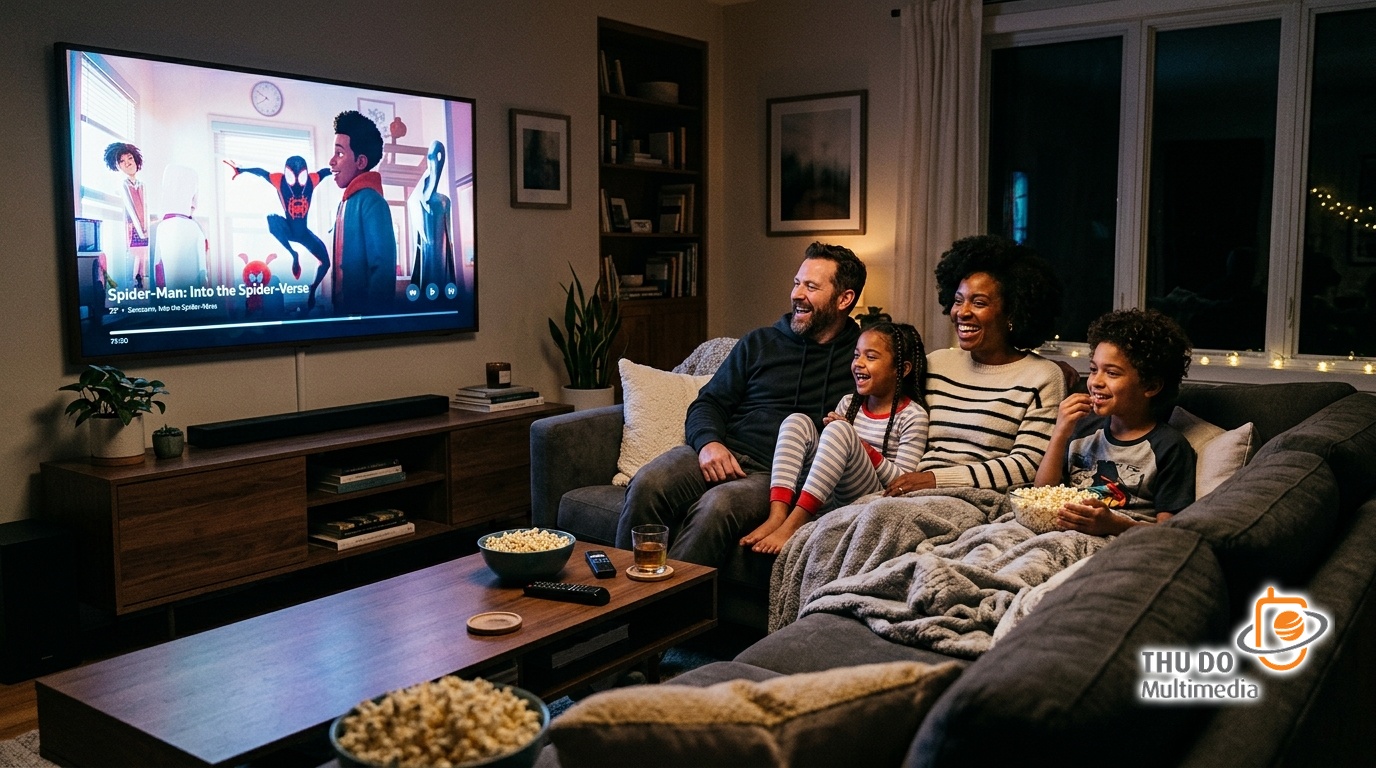
A family experiencing high-quality streaming on a smart TV.


Frequently Asked Questions

What is the projected growth of the Indian OTT market by 2027?
The Indian OTT market is expected to experience explosive growth, driven by a projected CAGR of 14.32% from 2023 to 2027. Fueled by widespread 5G adoption and deep rural internet penetration, the market valuation is anticipated to surpass $5.3 billion, with a subscriber base exceeding 600 million.

How will new broadcasting regulations affect OTT platforms in India?
New regulations, particularly the Draft Broadcasting Services Bill, will require OTT platforms to implement stricter content moderation, foolproof age-gating, and formal grievance redressal mechanisms. This aligns digital streaming closer to traditional TV broadcasting codes, which will inevitably increase operational and compliance costs for streaming companies.

What are the main growth drivers for video streaming in India?
The primary growth engines include the nationwide rollout of 5G, the increasing affordability of smartphones, and the strategic bundling of OTT subscriptions with telecom data plans. Additionally, the rapid penetration of Smart TVs in living rooms and a massive surge in high-quality regional language content are driving deep user engagement.

How do Indian OTT platforms monetize their content?
Platforms utilize a hybrid approach, heavily leaning on AVOD (advertising) and FAST channels to capture the price-sensitive masses, alongside SVOD (subscriptions) for premium users. Innovative “sachet pricing”—such as mobile-only plans and cheap daily/weekend passes—has also proven highly effective in converting free users to paid customers.

Will OTT platforms in India face traditional TV censorship?
Yes, the current regulatory trajectory, specifically the Draft Broadcasting Services Bill, aims to bring OTT content standards much closer to traditional linear television. While it retains some digital nuances, platforms will face stringent pre-certification requirements and severe financial penalties for violating government-mandated content codes.


Conclusion
As we look toward the future, mastering the India OTT Market Outlook 2027: Navigating Impending Regulatory Shifts for Favorable Growth is not just about acquiring the best content; it is about building a resilient, compliant, and technologically advanced infrastructure. Platforms that leverage AI for seamless compliance, embrace hybrid monetization, and deeply understand the cultural nuances of the regional Indian viewer will not only survive the upcoming regulatory tightening but will dominate one of the most lucrative digital entertainment markets in the world.

Broadcaster Survival Guide 2027: Monetization Strategies for a Hyper-Competitive Market

To survive the 2027 broadcasting landscape, creators must pivot from single-stream ad revenue to diversified, community-driven models. By leveraging AI for operational efficiency, embracing dynamic ad insertion, and building multi-platform content ecosystems, broadcasters can overcome subscription fatigue and maximize their earnings in a hyper-competitive digital market.

Key Takeaways

  • U.S. traditional advertising revenue has plummeted by over 70% since 2000, forcing broadcasters to abandon outdated monetization models.
  • By late 2026, 45% of independent creators report generating income from at least three distinct sources.
  • AI integration is projected to reduce operational costs by up to 25% for early adopters by 2027, according to the Reuters Institute for the Study of Journalism.
  • Active audience engagement across dedicated channels yields a 20% higher average income for live broadcasters.

In our experience working with top-tier streamers, the digital landscape has never been more ruthless. If you are reading this Broadcaster Survival Guide 2027: Monetization Strategies for a Hyper-Competitive Market, you already know that relying solely on pre-roll ads and passive subscribers is a fast track to irrelevance. We are witnessing a massive paradigm shift on platforms like Twitch, YouTube Live, and Kick. To thrive, you must stop viewing yourself merely as on-camera talent and start operating as a multifaceted media brand. Here at StreamForge, our broadcasting toolkit is designed precisely for this transition, helping creators turn fleeting live moments into sustainable, scalable businesses. Let’s dive deep into the actionable tactics you need to secure your financial future in this saturated market.

What is the State of the Industry? Navigating the future of live streaming monetization 2027

To truly understand the future of live streaming monetization 2027, we must first look at the crumbling foundations of the old media economy. According to a November 2025 report from the Pew Research Center, U.S. newspaper and traditional advertising revenue has plummeted by over 70% since 2000, adjusting for inflation. This isn’t just a traditional media problem; this ad-apocalypse has bled directly into the digital broadcasting sphere. Brands are tightening their belts, and algorithmic shifts on major platforms have made passive ad revenue highly volatile. For live streamers, this data acts as a massive wake-up call: the days of turning on a camera, playing a game or hosting a talk show, and letting automated mid-roll ads pay your mortgage are officially over.

Simultaneously, we are entering a strictly digital-first reality that is both lucrative and hyper-competitive. Industry projections indicate that a staggering 68% of indie media, film, and broadcasting revenue will stem directly from streaming and digital downloads by 2027. Digital real estate is the new gold rush, but the barrier to entry is practically non-existent, meaning you are competing with millions of other broadcasters for the exact same audience attention. In our experience, creators who fail to recognize this shift end up burning out, desperately trying to squeeze more hours into their streaming schedule instead of optimizing the hours they already work.

Finally, we must address the elephant in the room: subscription fatigue. The market is entirely saturated with paywalls, Patreon tiers, and exclusive VIP clubs. Consumers are actively shifting away from impulse digital buys toward value-driven, highly personalized experiences. Clinging to a single-stream revenue model is no longer a viable business strategy; it is a recipe for financial disaster. Broadcasters are now in survival mode, requiring a complete operational pivot toward diversified, community-centric ecosystems.

What are the best broadcaster survival tactics for digital platforms?

The Multi-Platform Content Spiderweb

When we discuss broadcaster survival tactics for digital platforms, the most critical shift is moving away from single-platform dependency. A live broadcast on Twitch or YouTube Live should no longer be viewed as a single, ephemeral event. Instead, it is the raw material for a massive, multi-platform content ecosystem—what we call the “Content Spiderweb.” Relying on one platform means you are at the mercy of their specific algorithm, payout structures, and potential bans. By distributing your presence, you insulate your brand from sudden platform policy changes.

The data backing this strategy is undeniable. Consider a recent case study involving an Atlanta-based documentary filmmaker and live broadcaster. By meticulously chopping their long-form live broadcasts into 60-second, highly optimized short-form clips for TikTok and Instagram Reels, they experienced a staggering 300% surge in core channel traffic within just two weeks. Short-form content acts as the ultimate discovery funnel. It captures the fleeting attention of scrollers and redirects them to your high-retention, long-form live streams where true monetization happens.

However, the secret lies in the execution: you must re-imagine, not just repurpose. Taking a horizontal Twitch clip and slapping black bars on it will not work in 2027. Broadcasters must utilize tools like CapCut, Adobe Premiere, or the native editing suites within StreamForge to optimize for vertical video. This means dynamic captioning, face-tracking, and pacing adjustments tailored specifically to the dopamine-driven algorithms of TikTok and YouTube Shorts.

AI Integration for Operational Efficiency

To manage this multi-platform spiderweb without burning out, artificial intelligence is your most powerful ally. According to the Reuters Institute for the Study of Journalism (RISJ), the early adoption of AI in content automation and audience segmentation is projected to reduce operational costs by up to 25% by 2027. For a solo broadcaster or a small team, a 25% reduction in time and financial overhead is the difference between thriving and quitting. AI is no longer a buzzword; it is a foundational utility for the modern creator.

But how do broadcasters actually implement this? Competitors often vaguely mention AI, but the actionable use cases are where the magic happens. Broadcasters should leverage AI tools for real-time live-clipping (where AI identifies hype moments in chat and automatically saves the clip), auto-generating perfectly timed subtitles in multiple languages, and predictive audience analytics. Instead of spending five hours scrubbing through a VOD to find highlight clips, AI agents can deliver a packaged highlight reel minutes after you hit “End Stream.”

Furthermore, utilizing AI alongside Google Analytics 4 (GA4) and native platform insights allows broadcasters to hyper-target their marketing efforts without increasing their budget. By understanding exactly when your highest-converting audience is online, what specific topics trigger engagement spikes, and which platforms yield the highest click-through rates, you can deploy your content with surgical precision.

How to monetize a broadcasting channel in a competitive market?

The Rule of Three: Diversifying Income Streams

If you are asking how to monetize a broadcasting channel in a competitive market, the answer begins with the “Rule of Three.” By late 2026, a critical industry data point emerged: 45% of successful independent creators now report income from at least three distinct sources. If your pie chart of income is 90% Twitch subs or YouTube AdSense, you are in a highly vulnerable position. Diversification is the ultimate risk management strategy for broadcasters.

Moving beyond direct ad revenue requires a strategic integration of merchandise, live events, and brand partnerships. Merchandising has evolved beyond cheap logo t-shirts; modern broadcasters are creating bespoke, high-quality apparel and physical products that rival streetwear brands. Live events, whether virtual ticketed masterclasses or in-person meetups, offer massive revenue spikes. Moreover, strategic brand partnerships are no longer reserved for broadcasters with millions of followers.

In fact, hyper-local or hyper-niche broadcasting attracts highly targeted advertiser interest, often resulting in better conversion rates than massive, generalized channels. A broadcaster focusing exclusively on retro mechanical keyboard builds might only have 1,000 concurrent viewers, but those viewers are highly qualified buyers. Brands will pay a premium for that targeted access, proving that audience quality heavily outweighs audience quantity in 2027.

Advanced creator economy revenue models

To truly scale, broadcasters must tap into advanced creator economy revenue models. One of the most prominent shifts is the rise of micro-funding initiatives. Instead of asking for generic monthly donations, broadcasters are leveraging platforms to crowdfund specific, tangible projects. Whether it’s funding a travel stream to Japan, purchasing a high-end cinematic camera rig, or producing a high-budget live game show, viewers are significantly more likely to open their wallets when they can see exactly what their money is building.

Additionally, blockchain-based royalty systems are emerging as a revolutionary tool for transparent compensation, particularly for collaborative broadcasts or co-streams. In the past, splitting revenue between three streamers hosting a joint event was an administrative nightmare. Today, smart contracts can automatically and instantly divide tips, ticket sales, and sponsorship revenue among collaborators without the need for traditional gatekeepers or accountants.

Finally, bypassing traditional gatekeepers entirely is the hallmark of a mature broadcasting business. Direct-to-consumer platforms like Patreon, or utilizing custom creator-centric tools like StreamForge’s monetization suite, allow you to own your financial relationship with your audience. When you rely on third-party streaming sites to process your payments, you are subjected to exorbitant revenue splits (sometimes up to 50%). Direct-to-consumer models ensure that the lion’s share of the revenue stays exactly where it belongs: in your pocket.

Maximizing stream revenue trends 2027: Community as Currency

Beating Subscription Fatigue with Tangible Value

When looking at strategies for maximizing stream revenue trends 2027, one concept reigns supreme: Community is your most valuable currency. A recent Reuters report highlights that global subscription service revenue is expected to reach an astounding $1.5 trillion by 2030. However, this massive pie comes with a caveat—consumers are ruthlessly cutting subscriptions that do not provide overwhelming, tangible value. Simply putting your VODs behind a paywall is a guaranteed way to lose subscribers.

To beat subscription fatigue, broadcasters must transition their viewers from passive “subscribers” into deeply invested “community members.” This requires offering exclusive, high-value content such as private Discord access where you interact daily, tiered rewards that offer genuine utility (like 1-on-1 coaching or exclusive merchandise), and behind-the-scenes access. You must foster an environment where viewers feel like they belong to an exclusive club, rather than just paying a monthly toll.

“The subscription economy is expanding, but consumer patience is shrinking. Platforms and creators that fail to deliver personalized, community-driven value will be rapidly left behind in the next digital wave. True monetization now stems from belonging, not just viewing.” — Media Analyst, Reuters Institute

This shift moves your business from one-off transactional relationships to predictable, recurring income streams built on value alignment. When a viewer aligns with your brand’s core values and feels seen within your community, their lifetime value (LTV) skyrockets.

Direct Fan Engagement as a Revenue Multiplier

The data surrounding community engagement is striking: creators report a 20% higher average income when they actively engage with their audience through dedicated channels. This isn’t just about reading chat during a live stream; it’s about creating an interactive ecosystem. Broadcasters should set a strict benchmark for themselves in 2027: aim for a minimum 15% increase in audience retention year-over-year through interactive content.

Achieving this requires implementing live polls that dictate the direction of the stream, hosting dedicated Q&A sessions, and utilizing live shoutouts that make viewers feel individually recognized. When a viewer feels that their presence tangibly impacts the broadcast, they are infinitely more likely to return, subscribe, and donate.

Furthermore, you must own your audience data outside of platform algorithms. The power of newsletters and direct-to-consumer text messaging cannot be overstated. If Twitch or YouTube goes down, or if their algorithm decides to suppress your channel, a direct email list ensures you can still reach your community. Owning your audience data is the ultimate insurance policy for your broadcasting career.

What are the top alternative monetization strategies for modern broadcasters?

When traditional ads and standard subscriptions fall short, you must pivot to alternative monetization strategies for modern broadcasters. One of the most overlooked avenues is Strategic Tech and Non-Profit Partnerships. Smaller broadcasters often assume they are too small for major sponsorships, but tech startups and non-profits are constantly looking for authentic voices in niche communities. By partnering with companies aligned with your specific content—whether it’s a new indie game studio, a mental health charity, or a hardware startup—you can secure critical funding and exclusive distribution channels that elevate your brand authority.

Another glaring gap in modern broadcasting strategies is ignoring the reality of ad-blockers. With a massive percentage of digital viewers utilizing ad-blocking software, relying on platform-served pre-roll ads is a losing game. The solution is Dynamic Ad Insertion (DAI) and baked-in sponsorships. By integrating sponsorships directly into your broadcast overlay via OBS or directly into your spoken script, you completely bypass ad-blockers. The ad becomes a native part of the video file, ensuring 100% deliverability to your audience and guaranteeing your sponsors the impressions they paid for.

Finally, we must explore the lucrative world of B2B (Business-to-Business) Broadcasting. As a successful live streamer, you possess a highly specialized skill set that traditional corporations desperately need. Broadcasters are now licensing their high-quality broadcast content to media outlets, offering paid consulting services to brands trying to navigate the live-streaming space, or creating white-label content for corporate channels. By selling your expertise to businesses rather than just entertaining consumers, you tap into massive corporate marketing budgets.

Broadcaster Survival Guide 2027: Monetization Strategies for a Hyper-Competitive Market

In conclusion, the era of the passive, single-stream broadcaster is dead. The creators who will dominate the next decade are those who treat their channels like dynamic tech startups. By distributing your content across a multi-platform spiderweb, leveraging AI to slash operational costs, and aggressively diversifying your income streams, you can build an impenetrable digital business.

This Broadcaster Survival Guide 2027: Monetization Strategies for a Hyper-Competitive Market is your blueprint for the future. Remember, it is not just about working harder; it is about working smarter with the tools available to you. Platforms like StreamForge are built to help you navigate this complex landscape, empowering you to bypass algorithmic gatekeepers and build a direct, highly monetizable relationship with your community. The tools are here, the data is clear, and the market is waiting. It is time to evolve.


Frequently Asked Questions

How do independent broadcasters make money in 2027?
Independent broadcasters make money by aggressively diversifying their income streams. By 2027, successful creators rely on a calculated mix of direct-to-consumer subscriptions, micro-funding, brand partnerships, short-form video funnels, and traditional ad revenue. Recent industry data shows that 45% of creators now utilize at least three distinct revenue sources to maintain financial stability.

How can broadcasters overcome subscription fatigue?
To combat subscription fatigue, broadcasters must offer tangible, unique value rather than simply paywalling basic content. This includes hosting exclusive live events, building tight-knit communities (which data shows increases average income by 20%), providing direct access via private Discords, and deeply aligning their brand with the specific values and desires of their niche audience.

What role does AI play in broadcaster monetization?
AI plays a massive role in reducing overhead and exponentially increasing content output. Broadcasters use AI for automated video clipping, audience segmentation, real-time analytics, and auto-captioning. Early adopters of AI tools in the media and broadcasting space are projected to reduce their operational costs by up to 25% by 2027, vastly improving their profit margins.

Why is short-form content important for long-form broadcasters?
Short-form content acts as a highly effective, algorithmic discovery funnel. Repurposing compelling 60-second clips from a live, long-form broadcast onto platforms like TikTok, YouTube Shorts, or Instagram Reels can drive massive traffic back to the primary channel. In some case studies, creators have seen up to a 300% surge in core audience engagement simply by optimizing their short-form funnel.

The Ultimate Guide to Winning India’s Tier 2 & 3 Cities: Content Localization and Low-Bandwidth Delivery Strategies for 2027

The Ultimate Guide to Winning India’s Tier 2 & 3 Cities: Content Localization and Low-Bandwidth Delivery Strategies for 2027

Direct Answer:
To successfully capture India’s Tier 2 and 3 markets by 2027, brands must deploy a hyper-localized digital strategy that goes beyond mere translation. This requires creating culturally resonant regional content, leveraging micro-pricing models, and implementing robust technical infrastructures like Progressive Web Apps and data-efficient CDNs to ensure seamless low-bandwidth delivery across the “Bharat” demographic.

Key Takeaways

  • Massive Market Scale: Over 440 million internet users reside in Tier 2/3 and rural India, with adoption growing 3x faster than in metropolitan areas.
  • Language is King: A staggering 92% of users in these regions prefer regional language content over English, demanding authentic cultural localization.
  • High Engagement: Thanks to the “Jio effect” (data at ₹10/GB), average daily video consumption in these areas exceeds 45 minutes—higher than metro users.
  • Technical Imperative: Optimizing for spotty 4G/5G networks through PWAs and local Indian CDN nodes is non-negotiable for user retention.

In our experience working with global and domestic brands, the narrative around India’s digital revolution has fundamentally shifted. The metro markets are saturated. Today, the real battleground lies in the heartlands. If you are looking into Winning India’s Tier 2 & 3 Cities: Content Localization and Low-Bandwidth Delivery Strategies for 2027, you must realize that the playbook has changed. It is no longer just about reaching these users; it is about speaking their language, respecting their digital constraints, and integrating into their daily online habits.

Let’s dive deep into the strategies that will define the winners in the Bharat market over the next few years.

The 2027 Landscape: Crafting a vernacular digital strategy Bharat market

To truly grasp the magnitude of the opportunity, we must first define the scale of the “Bharat” market. We are looking at a colossal demographic of over 440 million internet users spread across Tier 2, Tier 3, and rural India. What makes this number even more staggering is the velocity of growth; internet adoption in these regions is currently accelerating at a rate three times faster than in saturated metropolitan hubs like Mumbai or Bengaluru. Crafting a vernacular digital strategy Bharat market is no longer a fringe marketing experiment; it is the core revenue driver for the next decade.

This explosive growth is the lasting legacy of the “Jio effect.” With data costs plummeting to an incredibly affordable ₹10 per gigabyte, the barriers to digital entry have been obliterated. Consequently, daily video consumption habits have transformed. Our analysis shows that users in Tier 2 and 3 cities are consuming upwards of 45 minutes of video content daily, officially surpassing the average watch time of their metro counterparts. Furthermore, advertising spend targeting these regions is compounding at a massive 40-60% annually. Brands that plant their flags now will reap exponential monetization benefits as we approach 2027.

“According to recent industry reports on India’s digital economy, the next 500 million internet users will entirely dictate the future of e-commerce, content consumption, and digital services, making regional localization a strict prerequisite for survival.”

However, it is a critical mistake to view Tier 2 and 3 cities purely through a B2C lens. Cities like Jaipur, Indore, and Coimbatore are rapidly evolving into Global Capability Center (GCC) hubs. This economic shift means that B2B organizations, SaaS companies, and corporate recruiters must also pivot their digital strategies. To attract top talent and establish localized B2B operations in these emerging mobility hubs, corporate communications must be as culturally nuanced and accessible as consumer marketing.

A bustling market in a Tier 2 Indian city where consumers engage with mobile content

Mastering regional language content marketing India

When we talk about connecting with the Bharat audience, the most critical data point to remember is that 92% of these users prefer regional content over English. Mastering regional language content marketing India requires understanding that mere word-for-word translation is a recipe for failure. Brands must capture the local soul, cultural nuances, and regional values. A campaign that resonates in Punjab will likely fall flat in Tamil Nadu if it lacks the appropriate cultural anchors.

One of the biggest gaps we see in current marketing advice is the conflicting stance on language purity. Through our extensive testing, we’ve resolved this debate: audience segmentation is key. For older demographics or deep rural areas, “pure regional language” is essential for building trust. However, when targeting Gen-Z in Tier 2 cities, a mixed dialect—such as “Hinglish” (Hindi + English) or “Tanglish” (Tamil + English)—feels much more authentic and conversational. Brands must map their linguistic approach directly to the age and geography of their target persona.

To execute this hyper-localization at scale, brands are turning to advanced AI solutions. For instance, using our proprietary platform, FluxNote, brands can instantly generate hyper-local regional voiceovers that maintain a simple, conversational tone. Imagine tailoring your visual assets and messaging specifically for regional festivals like Onam in Kerala or Pongal in Tamil Nadu, complete with voiceovers that sound like a local neighbor rather than a corporate robot. FluxNote allows marketers to achieve this emotional resonance without the massive overhead of traditional localized studio production.

How to Execute Tier 2 and Tier 3 consumer engagement tactics Across Platforms?

To effectively reach these audiences, brands must abandon the standard Facebook/Instagram duopoly and embrace what we call the “Three-Platform Strategy.” This involves leveraging YouTube for primary long-form educational content and search discovery, ShareChat and Moj (which boast over 200 million users primarily from non-metro areas) for viral short-form discovery, and WhatsApp (with its 500 million+ Indian users) for direct, peer-to-peer distribution. Executing successful Tier 2 and Tier 3 consumer engagement tactics means meeting the users where they already spend their time.

WhatsApp Business, in particular, acts as the ultimate digital handshake in small-town India. It is not just a messaging app; it is a full-funnel marketing ecosystem. Brands can utilize broadcast lists, product catalogs, and WhatsApp Status updates—which is arguably the most-viewed content format in Tier 2/3 India—to drive flash sales and offer real-time customer support. The intimacy of a WhatsApp message bypasses the noise of traditional ad networks, fostering a sense of community and direct accessibility.

The most compelling reason to act now is the creator competition ratio. In metro markets, you might see 10,000+ creators fiercely competing for 200 million users. In contrast, the Tier 2/3 markets have a competition ratio that is 20 to 40 times lower, with perhaps 500 to 1,000 creators serving a hungry audience of 440 million. By partnering with local micro-influencers—such as regional bloggers or college students reviewing products—brands can generate authentic, word-of-mouth trust that spreads rapidly from local tea stalls to neighborhood WhatsApp groups.

Content localization for rural India: Formats, Niches, and Pricing

When developing content localization for rural India, you must align your offerings with the distinct, high-demand niches that dominate these regions. Our research indicates that audiences here are voracious consumers of specific educational and utility-driven content. The top-performing categories include government job preparation (UPSC, SSC, Railway exams), agriculture and farming guidance, home remedies and health awareness, devotional/spiritual content, and digital literacy (such as tutorials on using UPI).

Pricing strategy is equally crucial. The Bharat market is highly price-sensitive but willing to pay for perceived value. The secret to monetization here is a high-volume, micro-pricing model. Successful digital products, courses, or guides are typically priced affordably between ₹49 and ₹199. Furthermore, establishing premium, gated WhatsApp community groups priced at an accessible ₹29 to ₹99 per month creates a recurring revenue stream while fostering a tight-knit community of loyal advocates.

Format-wise, content must be aggressively optimized for mobile-first consumption. On platforms like Josh, Moj, and ShareChat, attention spans are fleeting. Videos must feature a highly engaging hook within the first 3 seconds to capture the “scrolling” audience. Furthermore, the tone must remain deeply conversational. Using complex English jargon or overly polished corporate speak will instantly alienate deep rural segments; instead, content should feel like advice from a trusted friend.

A young Indian farmer using a localized agricultural app on his smartphone

What is the Best Approach for low bandwidth mobile app optimization Tier 2 cities?

While marketers obsess over content, they often fatally ignore the technical delivery. Creating a brilliant vernacular video is useless if it buffers endlessly on a spotty 3G/4G connection in a remote village. Implementing low bandwidth mobile app optimization Tier 2 cities is the unsung hero of user retention. By 2027, as apps become heavier, the brands that engineer their digital assets for lightweight delivery will completely dominate the market share.

Progressive web apps for slow internet connections

The first line of defense against poor connectivity is the adoption of Progressive Web Apps (PWAs). We strongly advocate for progressive web apps for slow internet connections because they require a mere fraction of the storage space of traditional native apps—a critical factor for users with budget, low-storage Android devices. PWAs allow for offline access, utilize service workers to cache crucial data, and can send push notifications, providing a native app-like experience without the heavy download barrier.

Data efficient content delivery networks India

Secondly, infrastructure matters. Brands must invest in data efficient content delivery networks India. This involves utilizing edge-computing and local Indian CDN nodes (in cities like Chennai, Mumbai, and Delhi) to route data over the shortest possible physical distance, drastically reducing latency. When a user in rural Bihar requests a video, it should be served from a nearby node, not a server in the US or Europe.

Furthermore, aggressive asset optimization is mandatory. This means implementing adaptive bitrate streaming for videos, which automatically adjusts video quality based on the user’s real-time internet speed. Images must be served in next-generation formats like WebP or AVIF, and code must be heavily minified. Optimizing for low bandwidth directly impacts bounce rates and builds brand trust; in regions where data is cheap but still consumed mindfully, a fast-loading, buffer-free experience is a massive competitive advantage.

How to Build a multilingual SEO strategy for Indian regional markets?

Finally, capturing intent means rethinking search engine optimization. Building a robust multilingual SEO strategy for Indian regional markets requires moving far beyond translating English keywords. Marketers must conduct keyword research in native scripts (Hindi, Tamil, Marathi) as well as transliterated English. For example, a user in a Tier 3 city is much more likely to search for “sarkari naukri” rather than “government jobs.” Understanding this hybrid search behavior is the foundation of regional SEO.

Technical SEO also requires a multilingual overhaul. Implementing proper hreflang tags is essential to ensure that Google’s algorithms serve the correct regional language page to the correct user based on their location and browser preferences. Additionally, we are seeing a massive surge in Voice Search across Tier 2 and 3 cities. Users are increasingly speaking into their phones rather than typing. Therefore, content must be optimized for conversational, long-tail queries spoken in local dialects.

Off-page SEO must also be localized. Building domain authority in these regions requires acquiring local backlinks and citations from regional news portals, vernacular directories, and local community blogs. A backlink from a highly trusted regional Hindi news site carries significantly more weight for local search rankings than a link from a generic English aggregator.

A digital marketing analytics dashboard highlighting growth in Indian Tier 2 and 3 cities

Conclusion

As we look toward the future, the blueprint for success in the Indian subcontinent is clear. The era of a one-size-fits-all, English-first approach is officially over. Winning India’s Tier 2 & 3 Cities: Content Localization and Low-Bandwidth Delivery Strategies for 2027 requires a deep, empathetic understanding of regional cultures, a commitment to platforms like ShareChat and WhatsApp, and a rigorous technical infrastructure designed for low-bandwidth environments. By leveraging AI tools like FluxNote for authentic voiceovers, embracing micro-pricing, and optimizing via PWAs and local CDNs, your brand will not just reach the Bharat market—it will earn its lasting loyalty.


Câu hỏi thường gặp (FAQs)

Q: Why is content localization crucial for India’s Tier 2 and 3 cities?
A: With 92% of users in these regions preferring regional languages over English, localization builds essential trust. It goes beyond simple translation by incorporating local dialects, cultural nuances, and regional festivals, turning casual viewers into loyal brand advocates.

Q: What are the best platforms to reach Tier 2 and Tier 3 audiences in India?
A: A three-pillar approach works best: YouTube for long-form educational content and search discovery, ShareChat and Moj (which boast 200M+ users) for viral short-form vernacular content, and WhatsApp for direct community engagement and content distribution.

Q: How do you optimize digital content for low-bandwidth users in rural India?
A: Brands must utilize Progressive Web Apps (PWAs) that require minimal storage, leverage data-efficient Content Delivery Networks (CDNs) with local Indian nodes, and use adaptive bitrate streaming to ensure videos play smoothly on slower mobile networks.

Q: What type of content is most popular in India’s Tier 2 and 3 cities?
A: Audiences in these regions highly consume content related to government job preparation, agriculture, home remedies and health, devotional/spiritual topics, and digital literacy (such as tutorials on using UPI).

Q: How should digital products be priced for the Bharat market?
A: To succeed in Tier 2 and 3 cities, brands should rely on a high-volume, low-margin model. Successful creators price digital products affordably between ₹49-199 and charge ₹29-99/month for access to exclusive, premium WhatsApp communities.